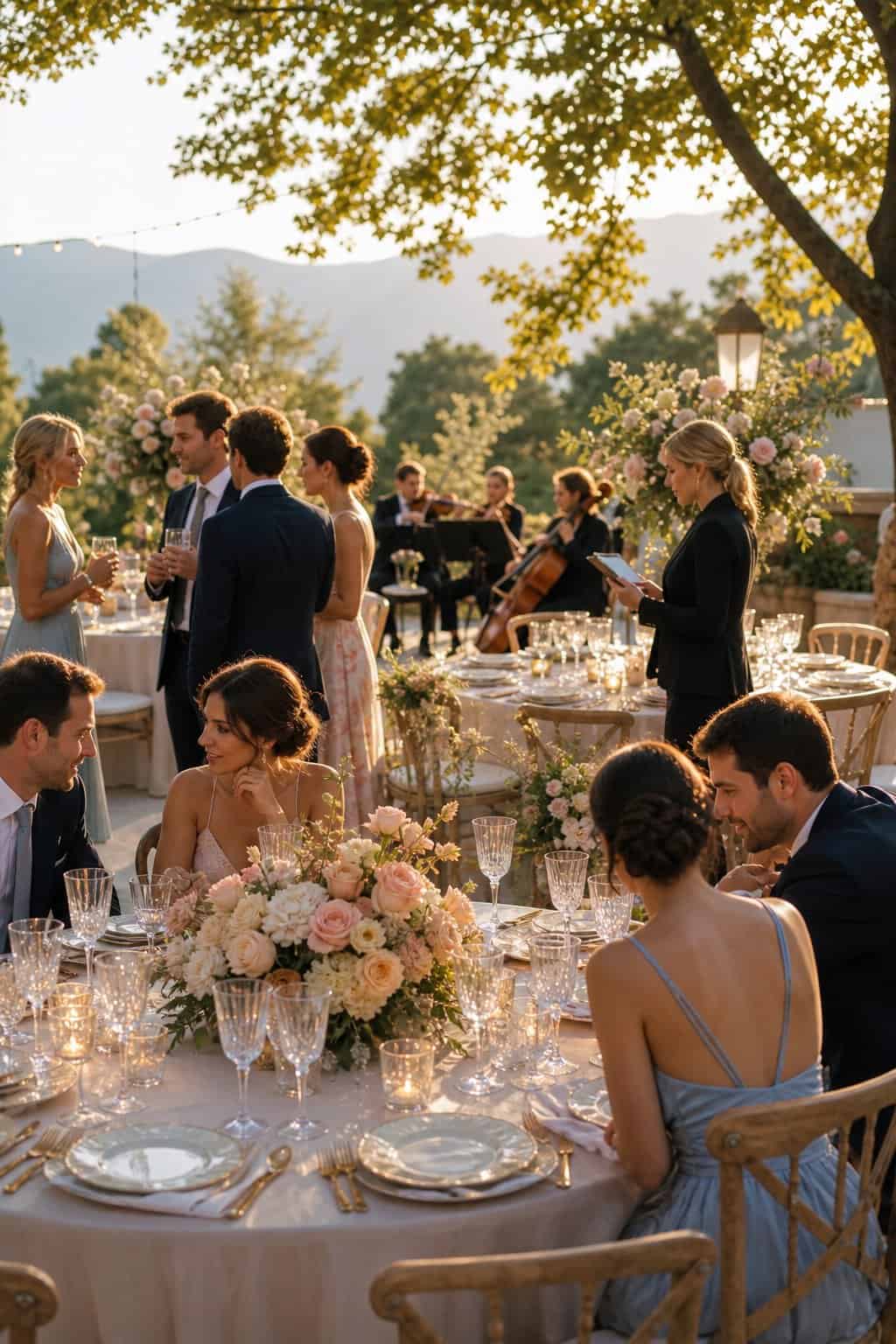
The most frequent conversation I have with couples involves worries about how to fill the 45-minute gap between 4:30 pm and 5:15 pm, the Dead Zone, that sits between the ceremony and the reception. Well, 45 minutes may not seem like a long time, but the gap can cause chaos if not properly planned for. Vendors shrug, the bridal party breaks up into tiny little groups, guests get lost, and some may even get bored.

Sandals Will Throw Your Wedding for Free
Stay 7 nights in a Club or Butler suite and Sandals covers the wedding: a personal planner, the ceremony, a private cocktail reception, a two-tier cake, your bouquet and boutonniere, plus $200 toward photos and $200 toward video. No venue hunt, no vendor juggling.
The good news is that the so-called Dead Zone awkwardness doesn't have to be a normal part of your wedding. With a bit of careful planning, you can turn that 45-minute window into a useful moment that enhances the flow of your big day. These are my favorite things to add in that gap. I've picked them because they fit naturally within your overall day planning and require little to no preparation to simply plug in.
1) Host a relaxed cocktail hour with passed canapés and a signature mocktail (I coordinate 2 servers per 50 guests)
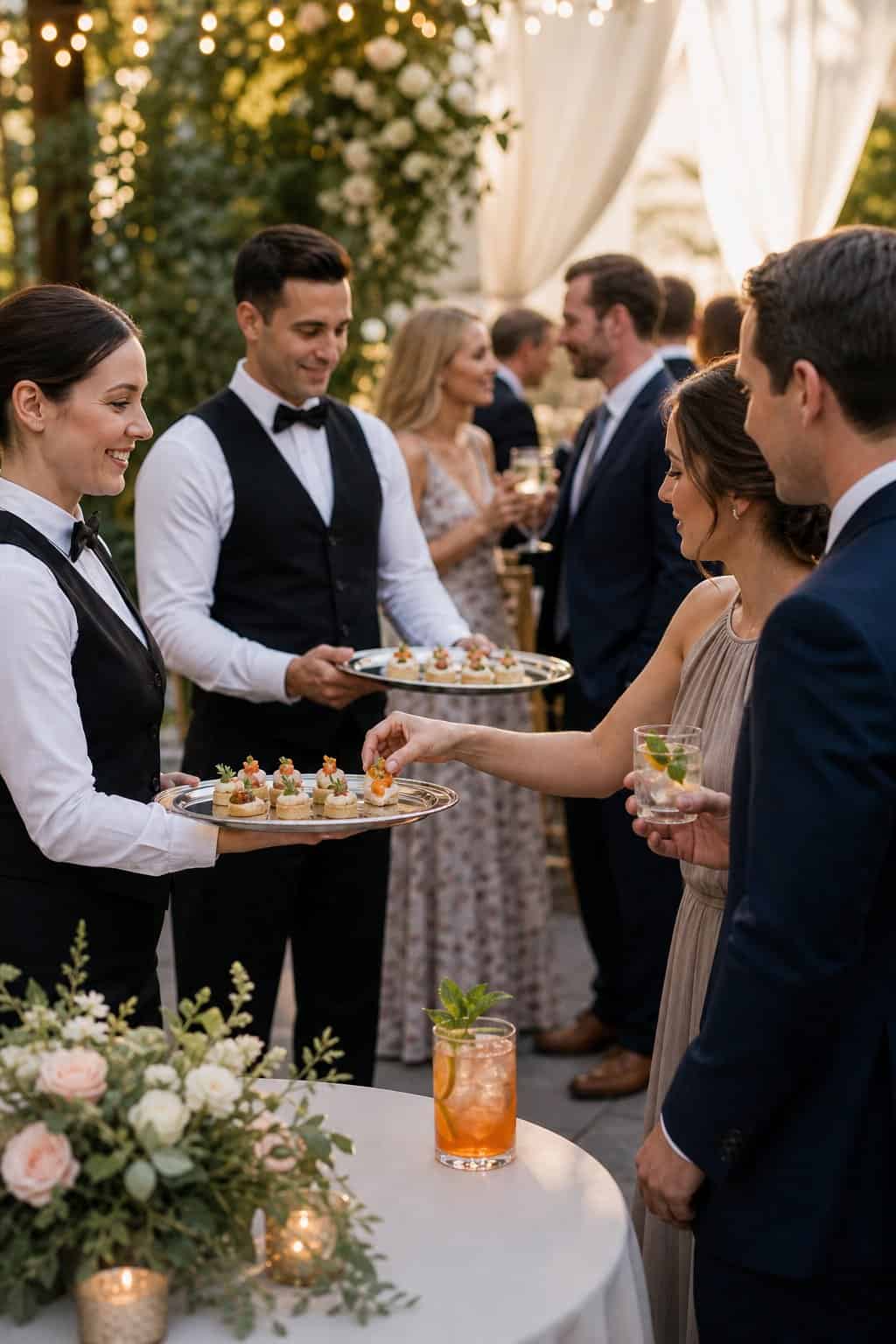
Filling the gap doesn't have to be an overly planned affair. Some guests tend to arrive before dinner is ready, so I like to suggest hosting a relaxed cocktail hour with bites and maybe two drinks per guest. You can coordinate two servers per 50 guests, though you could probably get away with one if you're only having a small appetizer buffet.
Plan for a small buffet of three of each cold and hot snacks, and add a signature mocktail in a labeled pitcher (great for fast refills). You can ask the venue to be set up about 20 minutes before the first guest arrives; it's a great way to make an amazing first impression on the proceedings. A small server station near the ceremony exit can solve the crowd chaos while drink refills flow simultaneously.
2) Schedule a 20–30 minute bridal-party sunset portrait set to avoid crunching the schedule
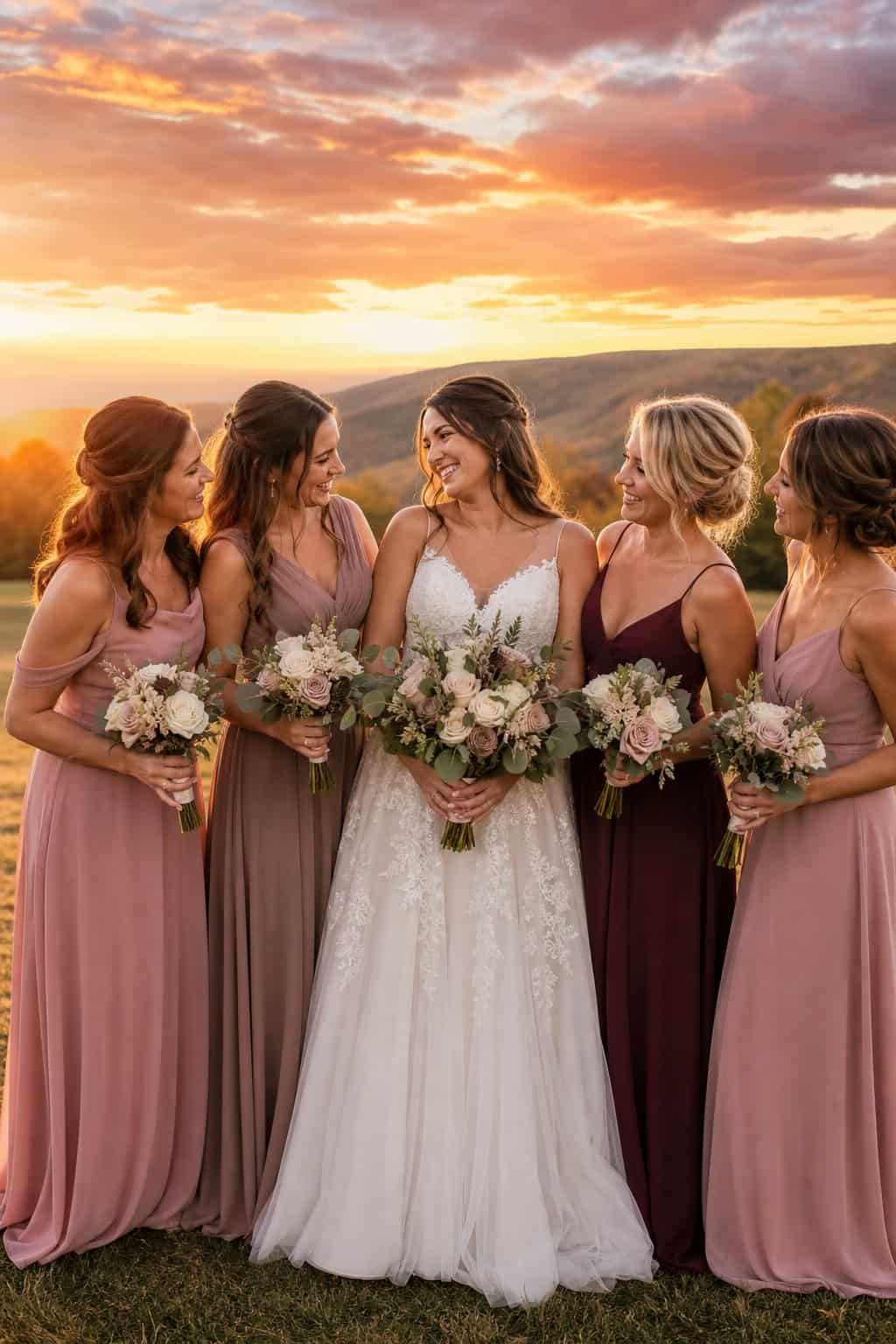
Depending on the season, the window between 4:30 and 5:15 commonly aligns with golden hour. You probably already know it's a time of day when soft directional light flatters skin tones, casts no harsh shadows, and looks amazing in photos. It's the best time to schedule a quick 20- to 30-minute bridal party sunset portrait set. Adding this photo op in the schedule means you'll have plenty of time for the earlier family formal portraits while keeping the cocktail hour from running over.
Plan the travel time in advance between locations. Have a staging area identified in advance and know how long it will take for everyone to get there. Assign a designated shepherd, either the maid of honor or one of the bridesmaids, and make sure everyone gets where they're supposed to be (bigger groups are less likely to self-organize).
3) Book a 20-minute private ‘first look’ for vows practice and sentimental photos
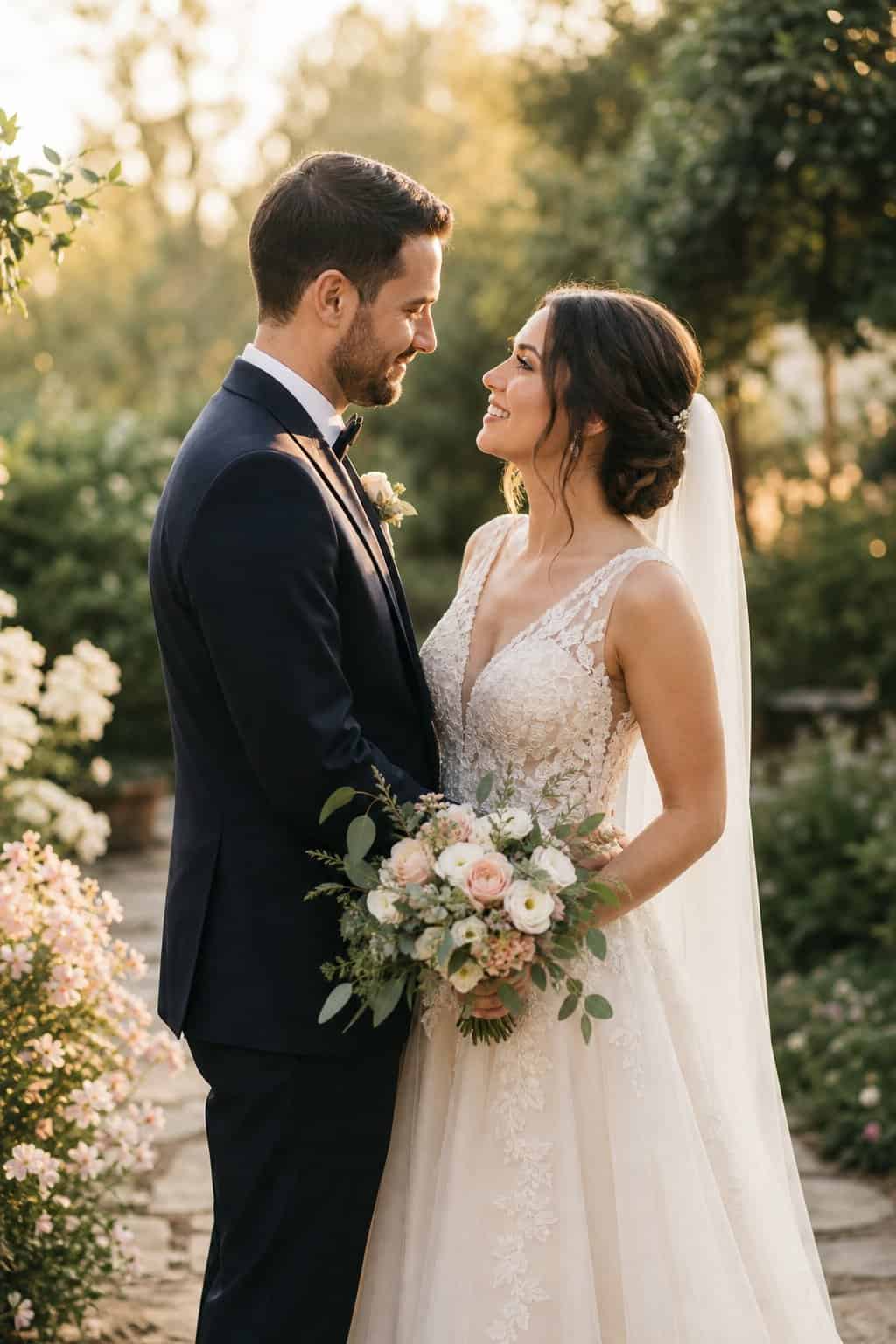
Book a 20-minute private "first look" for vows practice and sentimental photos
This idea works well for filling the dead zone when you're having a later ceremony. Use the time for a 20-minute private first-look window, followed by a pre-ceremony vow practice combined with sentimental portraits. Find a quiet spot around the venue to rehearse your vows in private, which will help reduce nerves at the altar. Have one photographer there to get a few ceremony-style images.
4) Run a 15-minute vendor walkthrough—lighting tech, DJ, and photographer sync cues
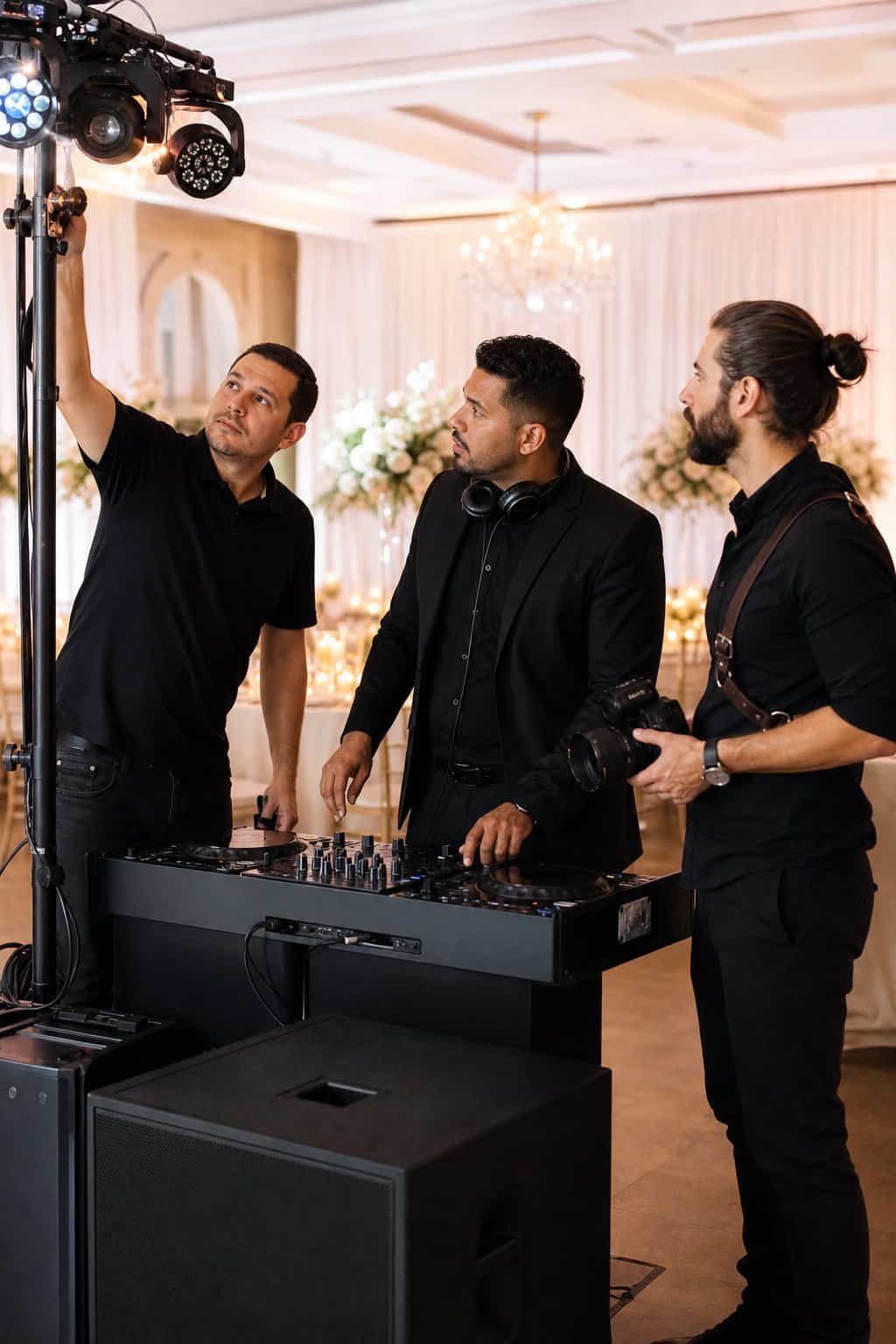
After vendors finish setup and before cocktail hour starts, it's a great time to run a quick 15-minute vendor walkthrough at around 4:45. Use that time to align lighting presets for photos, discuss the DJ's intro and exit cues, and double-check the photographer's flash limits at the sidelines. Have the couple confirm a single point person to make all these decisions, preventing any on-the-spot debates that will delay the walkthrough.
Don't overdo it by asking the lighting tech to check more than the presets for the ceremony and reception. Also leave a 5-minute buffer to give your vendors time for any minor fixes, like a cable or level tweak.
5) Open a reservation for immediate-family photos (parents, grandparents) before general portraits
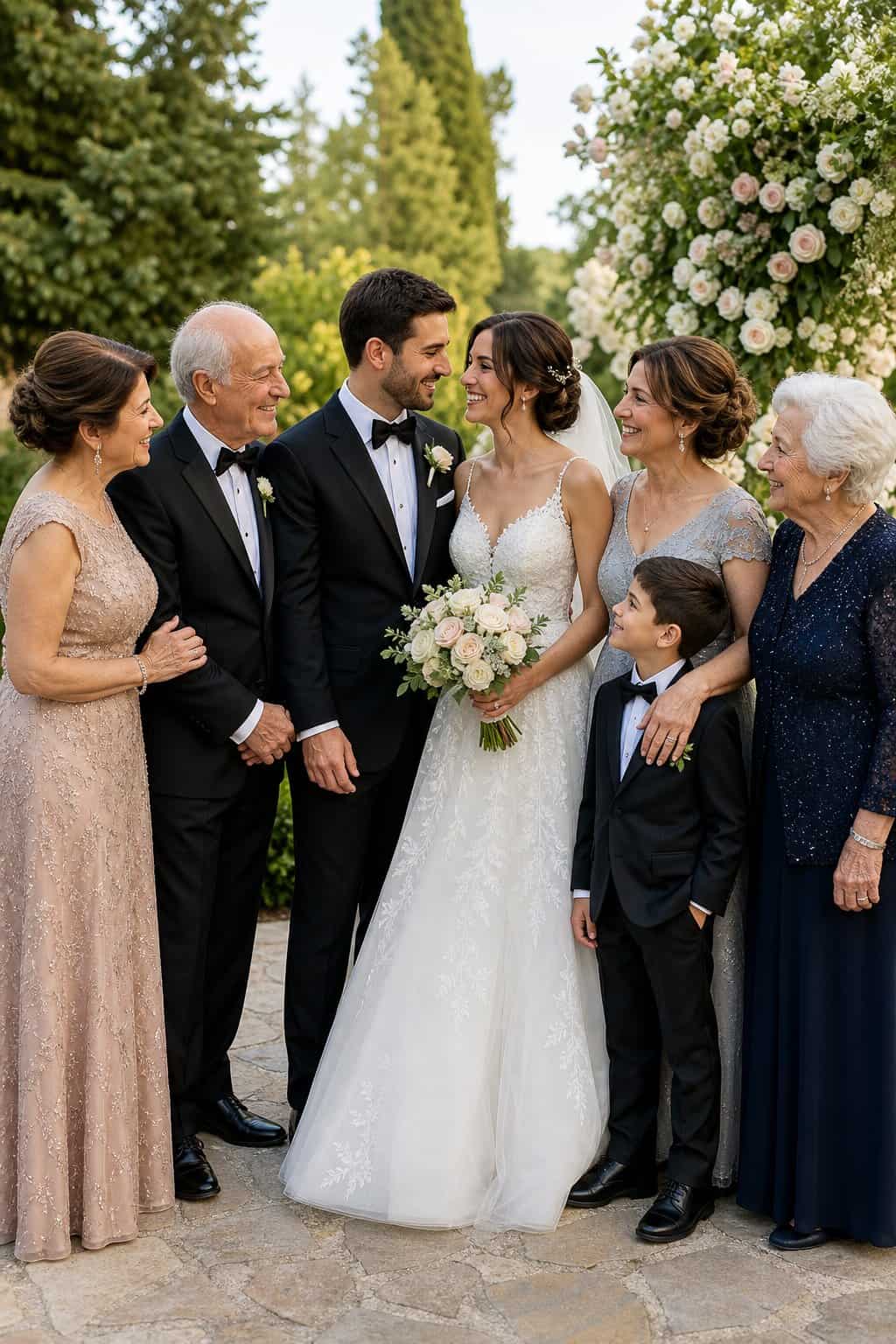
Older guests tend to get tired quite quickly amid the day's excitement, so you want to schedule their photos early, and having them seated prevents any delays during the general portrait side of the wedding. Ideally, you want this to run 10 to 15 minutes. Having people stand around for photos any longer causes their attention and energy to drop, and it can also encroach on cocktail hour.
Make sure you name one trusted family wrangler on the call sheet who will be responsible for gathering everyone 5 minutes early for the photographer. Your photographer will prefer to set this up as a fixed single setup, meaning one backdrop and one camera, to ensure they get all the portraits done within the allotted time. I like coordinating this with cocktail service so we get portraits done before people are distracted by the bar.
6) Set a 30-minute buffer for vendor load-in swapping ceremony decor to reception setups
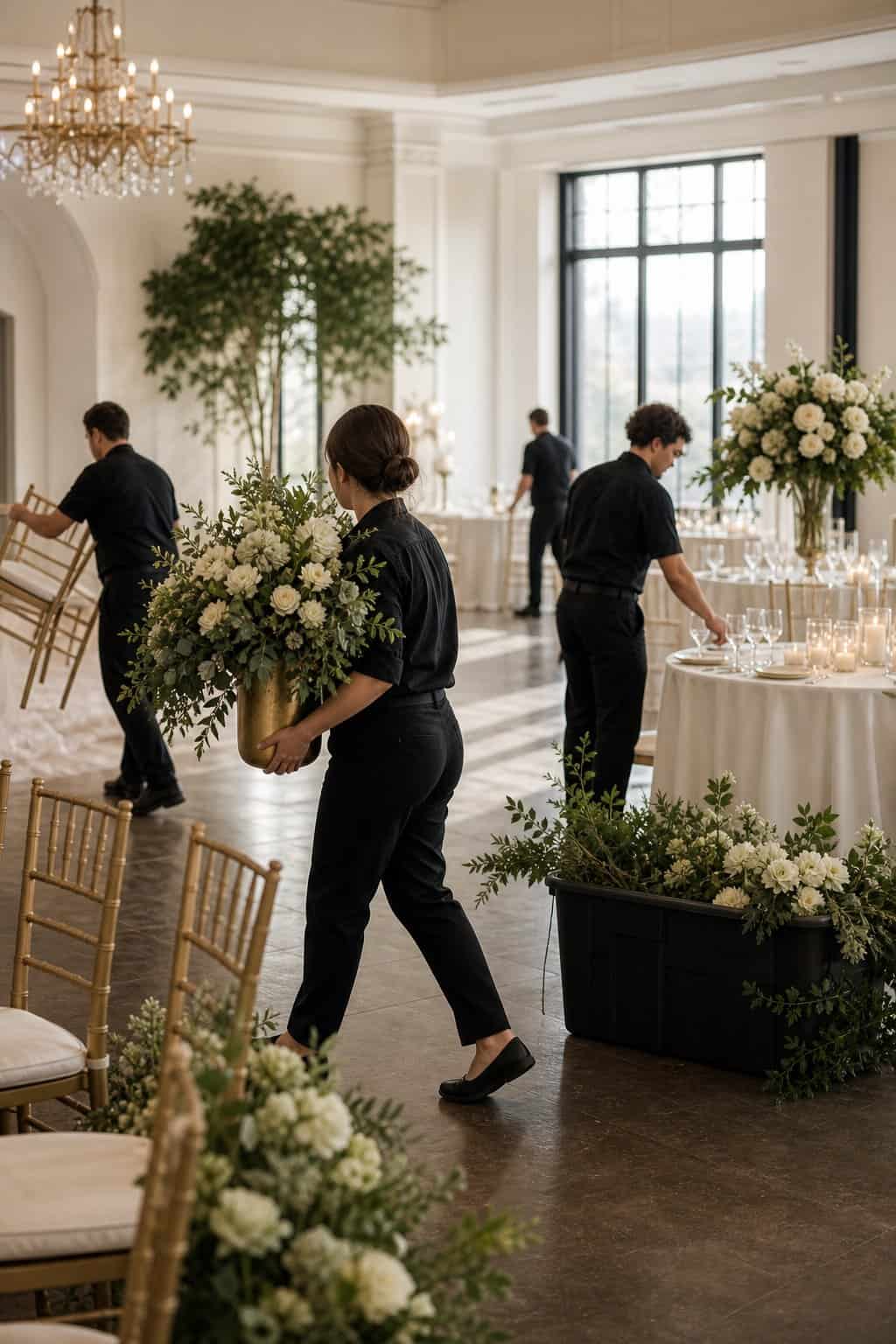
Most ceremonies end just before 4 PM, which is why the dead zone is an ideal time for vendors to swap out chairs, aisle flowers, and signage before your guests return from cocktail hour. One person should call the swap, and I like to designate at least three people to do the work.
Ask the venue crew, the florist, and someone from the decorating or planning team. Each gets assigned a role, such as moving chairs, changing over florals, and going over the signage. A pre-communicated load list and a single staging zone can help prevent delays I often see vendors cause when they arrive unstaged.
7) Hold a quiet 10–15 minute ‘pause’ space for the couple to breathe and change into reception attire
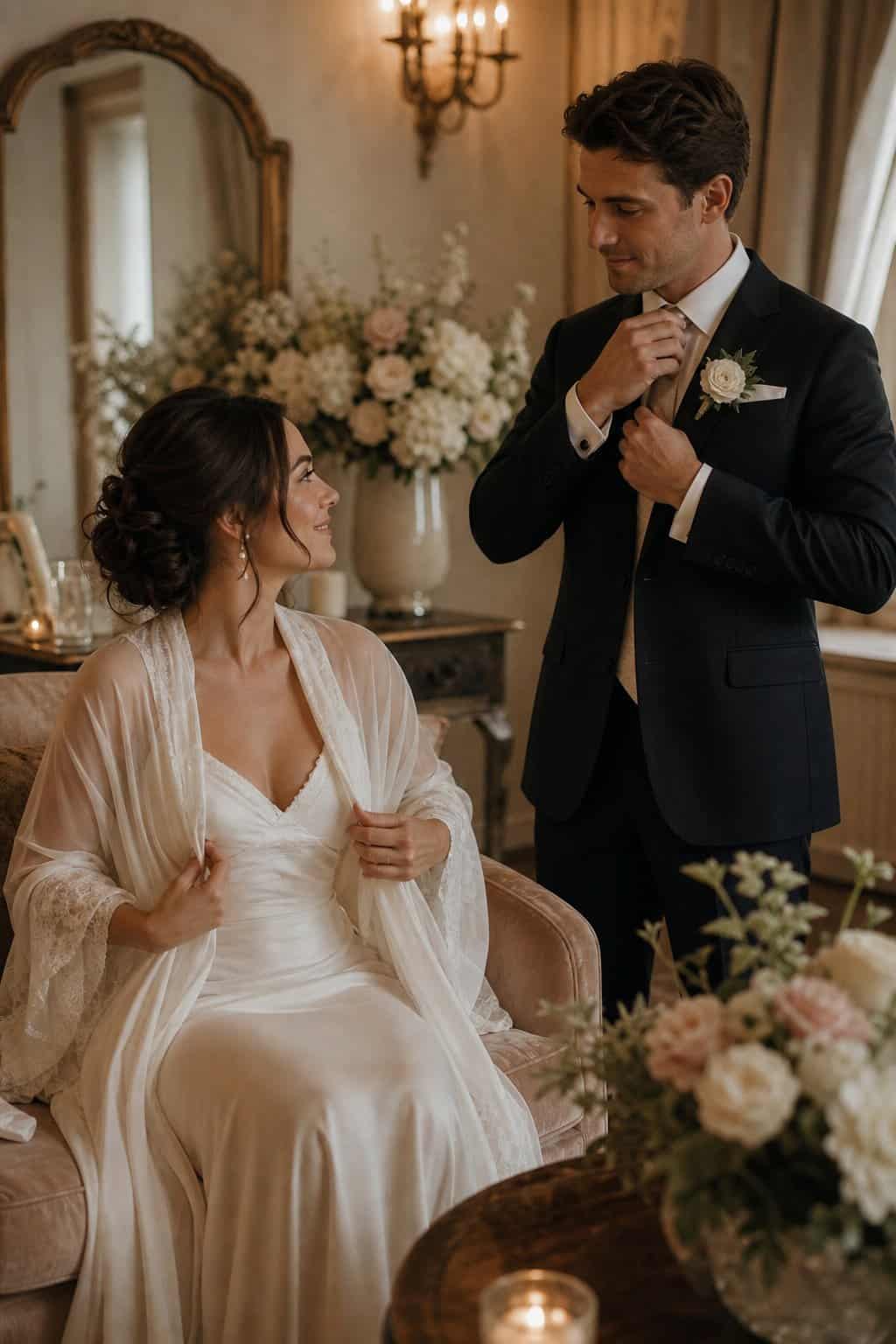
I like to fit in a quiet 10-15-minute pause for them between the ceremony and the reception to give the couple a moment to breathe. It gives the two a chance to reset and even change outfits before we start cocktail hour. Ideally, make sure the coordinator serves as the sole signal confirming couple readiness, triggering vendor movement, and holding the buffer for photos.

Simple Trending Metal Rolling Garment Rack
Check Price8) Host a short live-acoustic performance to bridge ceremony and reception moods
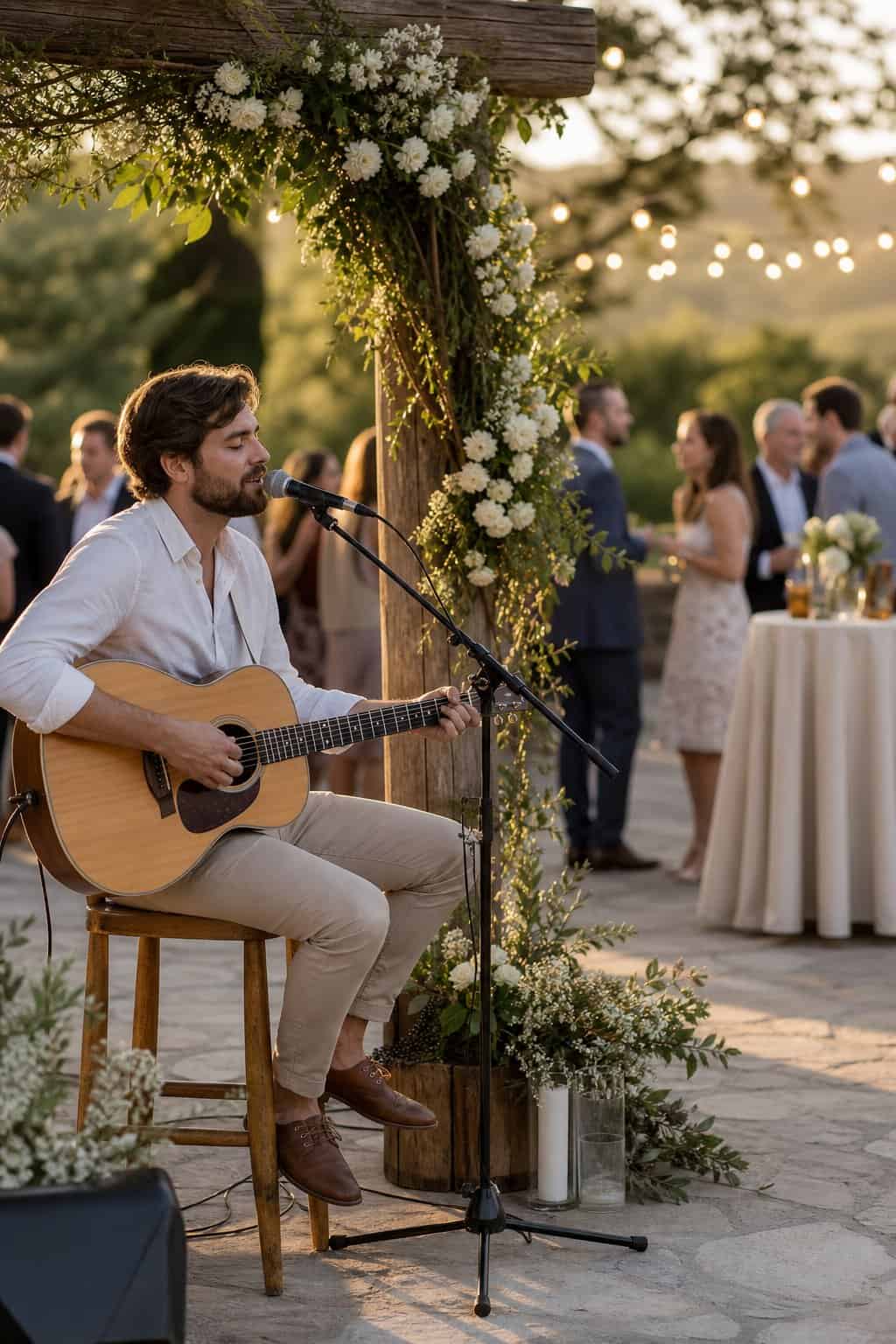
A musical interlude during the dead zone between the ceremony and the reception can help prevent a drop in energy and guest restlessness. I prefer tasking the ceremony musician with this to save on costs and ease logistical stress.
Book the performer to start about an hour before the reception begins, which also allows them to sound-check, plan for any breaks, and serves as a buffer without cutting into the set. Keep sound amplification to a minimum and place the performer near the cocktail seating to encourage a natural drift from guests. Offer them a short playlist of songs and a clear last-song cue that works as a handoff signal, so the reception team knows when to start preparing for the next item on the agenda.
9) Offer a guided lawn game rotation (cornhole, giant Jenga) with an MC to keep flow
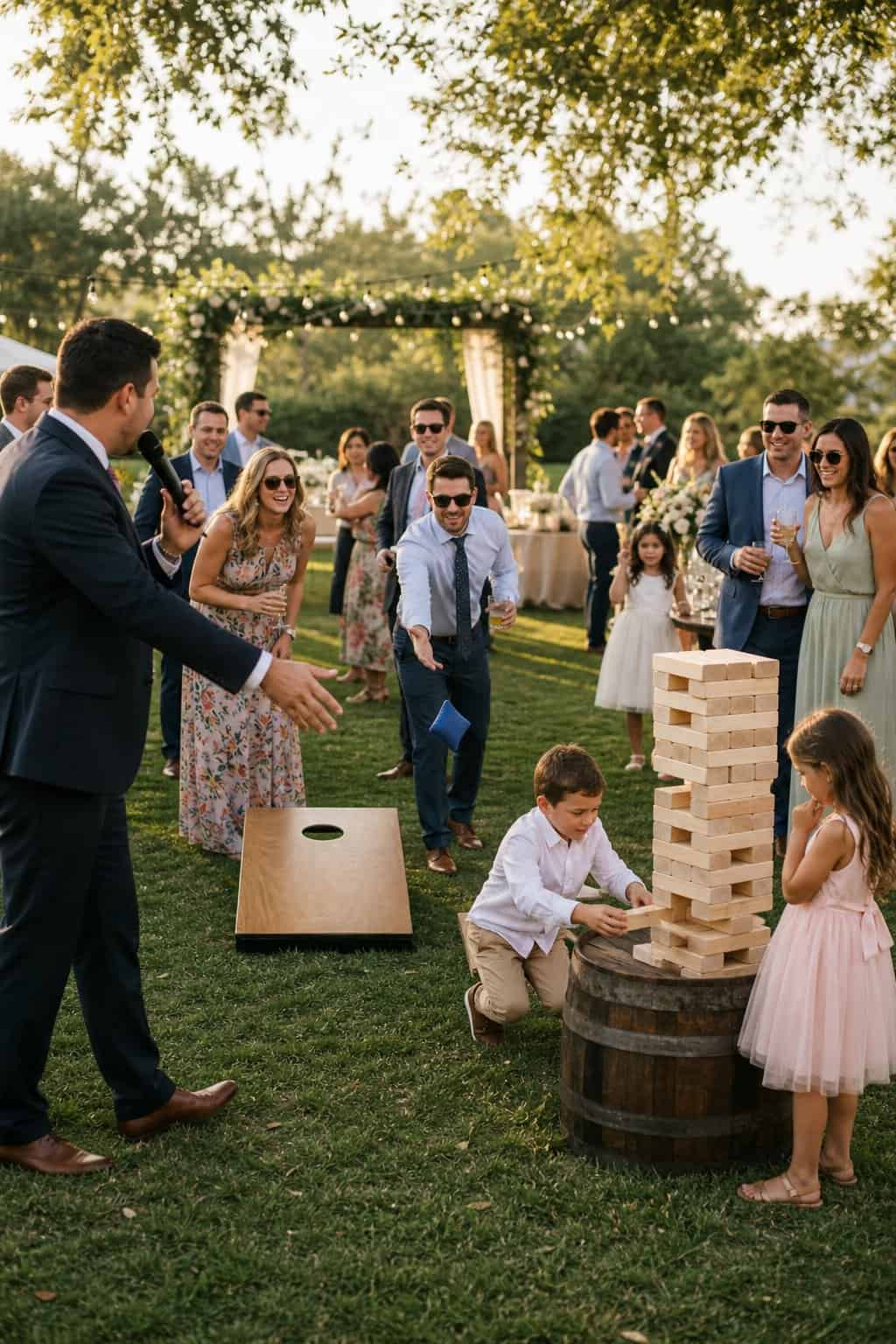
The last thing you need is for guests to start feeling restless while waiting for the photos to finish and for the vendors to reset. You can prevent this by putting together an MC-run game rotation to fill the gap. Games like cornhole and giant Jenga work best. Implementing rounds of 8 to 10 minutes allows for two, maybe three, rotations, filling the gap before cocktail hour starts.
From a logistical standpoint, make sure the MC has a printed rotation sheet and a simple script to go by. The best place to set up the games is near the cocktail area, but out of the vendor traffic path, which will keep the flow running.

SPORT BEATS Large Wooden Outdoor Tower Game
Check Price10) Start a 20-minute cocktail-masterclass or whiskey tasting station for adult guests

A structured 20-minute activity, like a cocktail masterclass or a whiskey tasting station, helps maintain the energy without requiring extra seating or a timeline overhaul.
Free Wedding Planning Checklist
Stay organized from engagement to "I do" — get our comprehensive checklist covering every task, deadline, and detail.
You can either use the in-house bar team for this or hire a local mixologist. Distillery brand representatives are sometimes sent to these types of events at no or low cost, since the brand views them as promotional activities. Get in touch with distilleries local to your venue to see if that's something you can arrange.
Add some lighting and music cue changes to reinforce the special moment and signal to guests that they need to pay attention. The activity should end a few minutes before the dinner call to ensure the seating transition goes smoothly.
11) Run a 10-minute timeline announcement with venue manager to kitchen and bar staff

Because that natural vendor shift window is also the perfect time for the venue manager to spend 10 minutes with the kitchen and bar staff to make sure they're fully aware of the timeline. Make sure you give them a printed mini timeline. Verbal-only briefings often get lost or forgotten in a high-pressure environment. That's why everyone needs to have call times on paper in their hands.
The couple needs to confirm the final headcount, menu item selections, and dietary flags. Any VIP dietary restrictions and last-minute plating protocols must be explicitly specified. Ideally, you should schedule a brief check-in with the staff; it can prevent scheduling mistakes and ensure the wedding stays within tight time constraints.
12) Schedule a 25-minute ‘detail shoot’ window for photographer to capture rings, stationery, dress trains

The gap period is ideal for a dedicated 25-minute detail shoot in a quiet room with some pre-prepared items. It's a natural transition period that gives the photographer free rein to capture these types of detail shots without disrupting any other part of the ceremony order or reception.
Your coordinator, or even your maid of honor, should pre-pack a labeled box on the morning of the wedding to include the rings, the invites, any family heirlooms, shoes, train clips, and any items you want individual photos of.
13) Prepare a plated-sample pass to ensure meal timing and dietary requests are confirmed
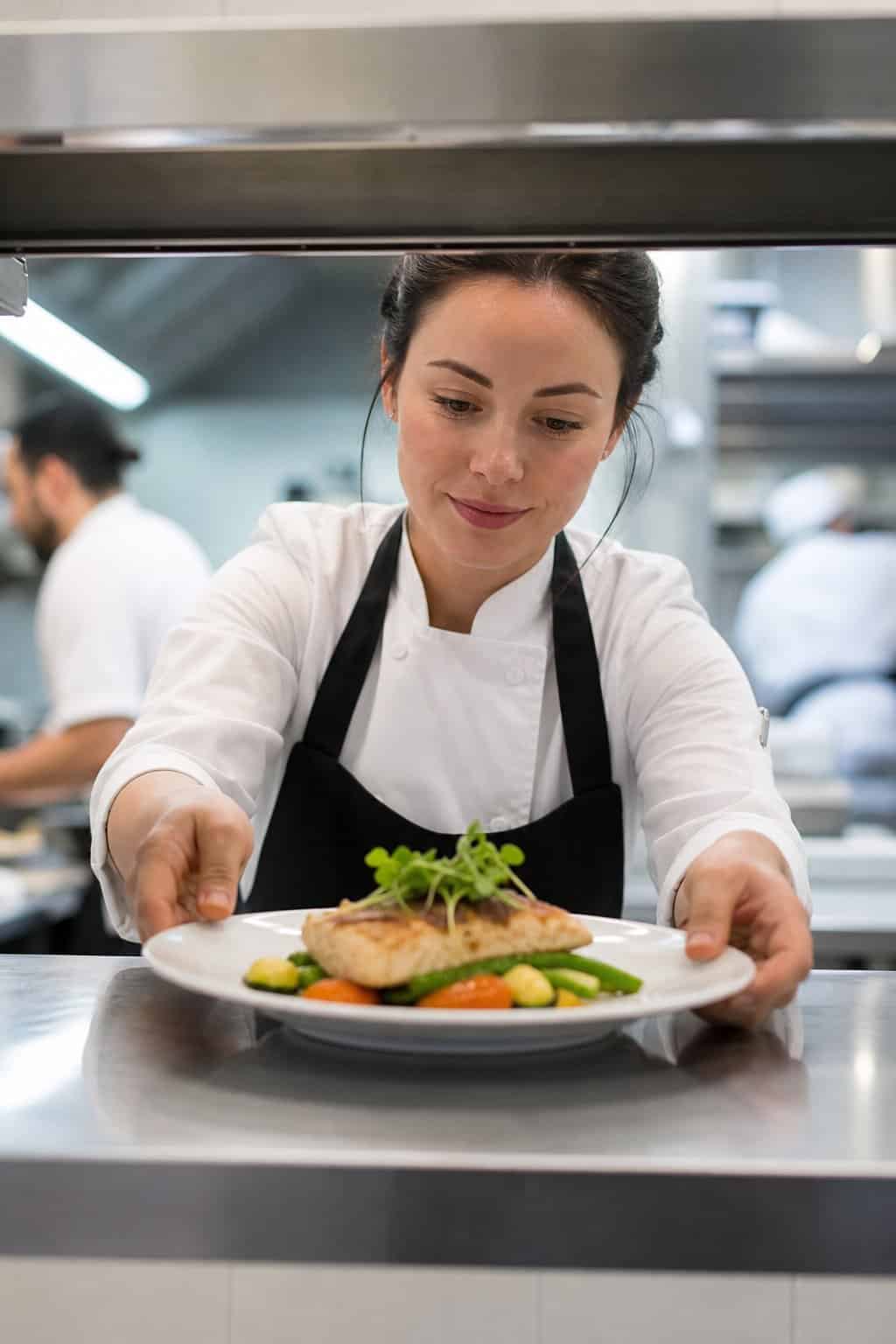
I ask catering to run a plated sample pass during the 4:30 to 5:15 window. It's a great way to confirm portion timing and ensure any special-diet plates are correct before the actual dinner service starts. It's the ideal time to do this because there's no guest interference and the vendors are free to test.
I usually plan for an extra plate count of 8 to 12 to cover most needs, including vegetarian and gluten-free options, and it lets you highlight any flagged allergens. If I need to request changes, I provide written confirmation because verbal tweaks might get lost between the kitchen and the floor.
14) Hold a 15-minute kids’ activity period with a childcare lead and simple crafts
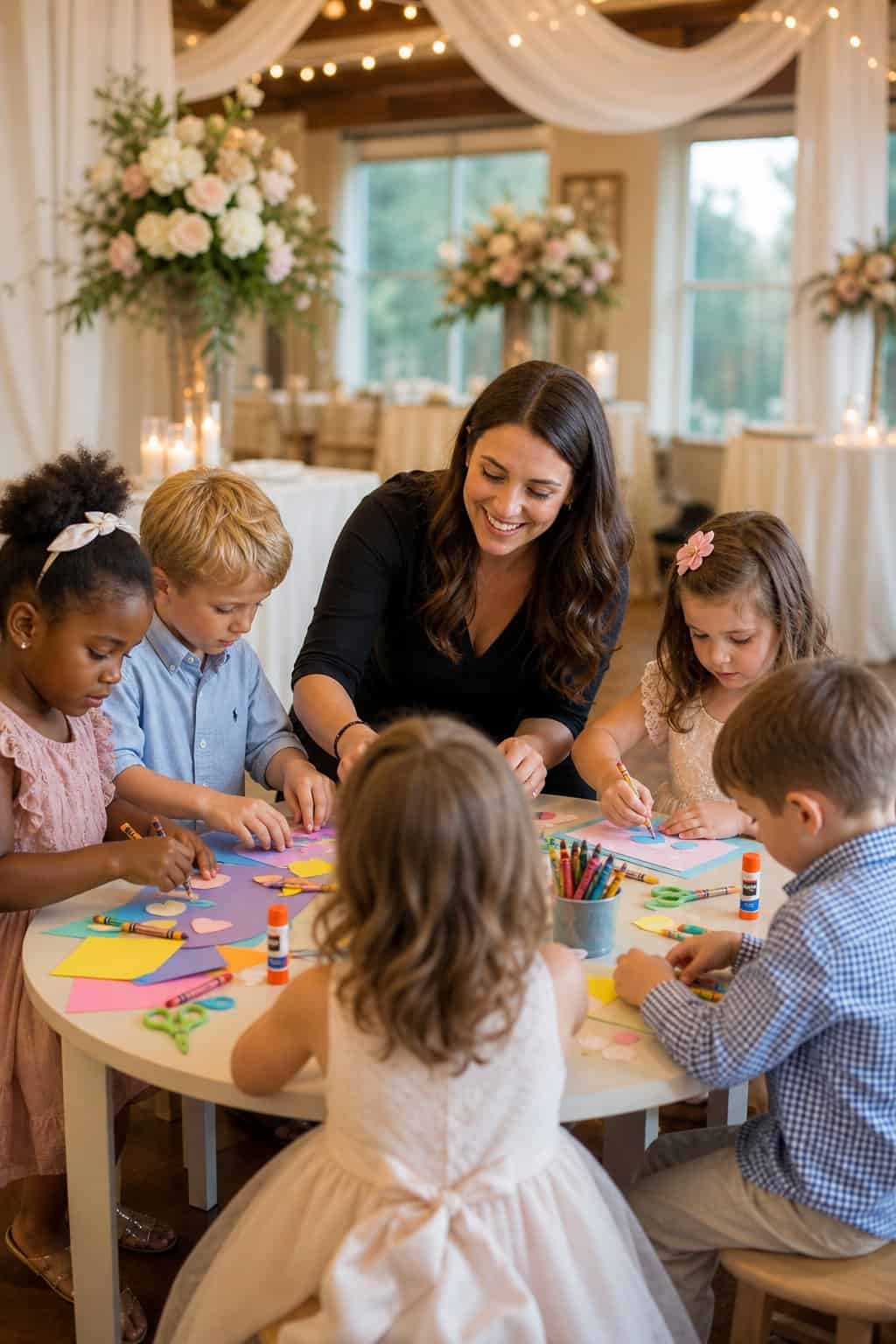
When there's no structured activity for the kids, it leads to boredom, and boredom more often than not leads to chaos. That's why scheduling a short 45-minute to one-hour kids' activity during the gap time makes such a difference. Hire a childcare lead, either a professional sitter or a volunteer, for about 1 hour to cover the dead zone.
Bring in a range of crafts, such as sticker scenes, pre-cut shapes, and crayons. Avoid anything that can cause a mess, such as scissors or paint. Place the childcare lead near the cocktail area so parents can still glance over while enjoying their drinks, but keep the setup zone away from server traffic lines.
15) Organize a 20-minute floral refresh—reposition bouquets and repurpose ceremony arrangements
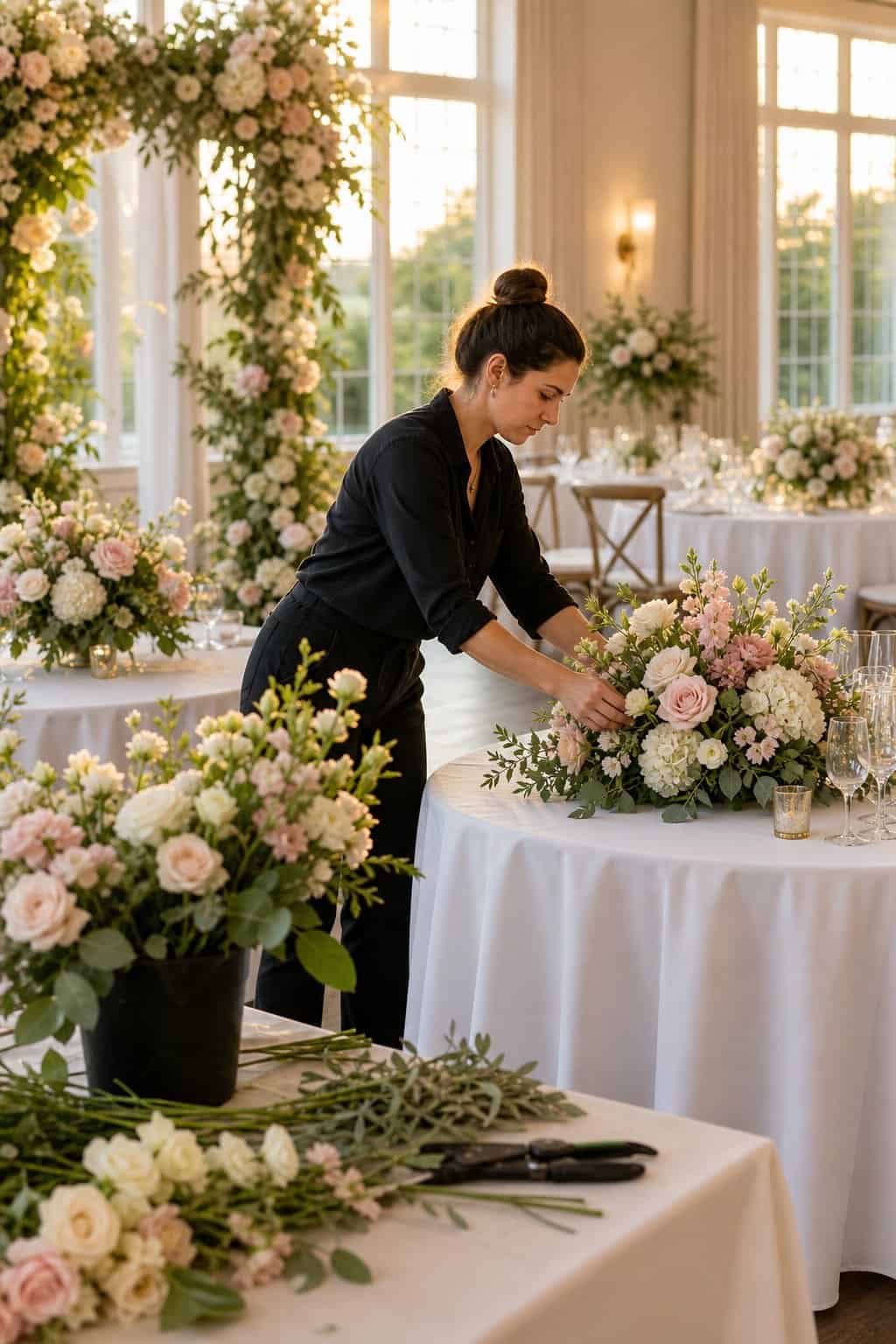
The 4:30 to 5:15 window is perfect for the floral refresh. It can be handled by one florist and one venue coordinator, who will move each piece of the arrangement according to a pre-approved floor plan. A two-person crew should be able to comfortably handle these tasks.
The placements must be pre-approved to prevent on-the-spot choices that stall the crew mid-move. Common placements include turning the aisle markers into table centerpieces, splitting the altar sprays into small vases, and using the bridesmaids' bouquets to refresh the sweetheart table.
The call time should be specifically contracted. A verbal agreement risks the vendor bumping it if they're running behind.
16) Book a 10-minute soundcheck for ceremony-to-reception transitions and mic tests
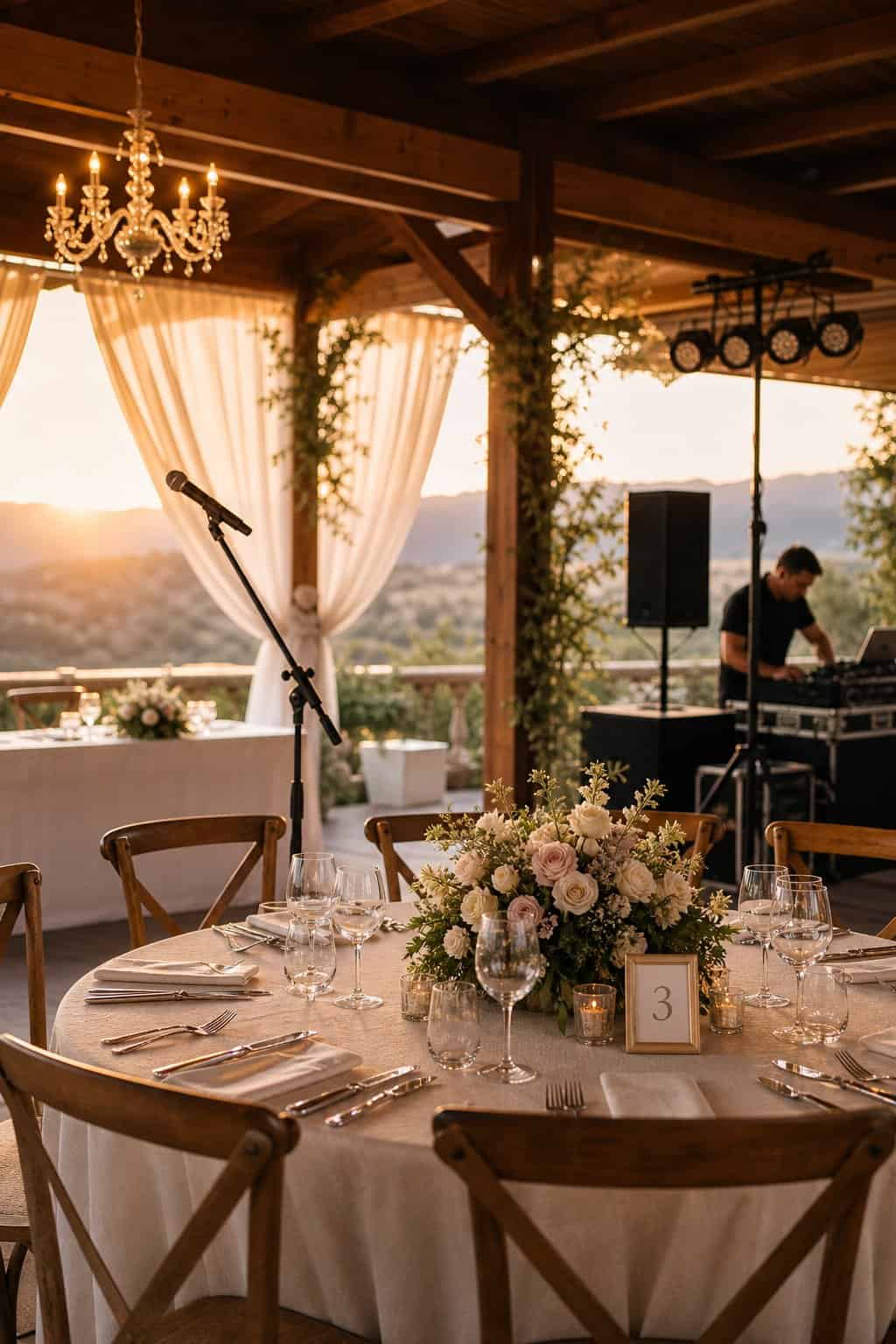
The ceremony-to-reception transition gap is the ideal time to book a ten-minute soundcheck. Ten minutes is enough of a buffer for level checks and a quick speaker swap test. I've seen many weddings where soundchecks got bumped for photo ops. Now, I make sure to write it down in the vendor timeline.
Schedule anyone who will hold a mic during the reception, including the maid of honor, to be ready to read one line. That should be enough to set the levels. The quick soundcheck should take only 10 minutes, giving the techs a bit more buffer to make any necessary adjustments before guests arrive for cocktail hour or the first dance.
17) Reserve a short video-call with long-distance VIPs to join the ceremony live feed

Reserve a short video call with long-distance VIPs to join the ceremony live feed
One beautiful and emotional way to bridge the transition gap is to schedule a short video call with family members and close friends who were not able to make it on the day. The time window is when vendors are still setting up, giving the couple enough time for a series of video calls that should usually last around 10 to 15 minutes. Scheduling it in means they still have a bit of margin if the call runs long. It's a great way to keep the VIPs connected to the couple while the venue finishes any last checks.
I usually book a private breakout room and test the device the day before to avoid Wi-Fi or battery issues. Keep it short: a quick two- to three-minute hello, blessings, and a toast, and then hand off the device to your live feed operator. This keeps the call focused and ends with the device ready to feed the ceremony.
Why Transition Moments Matter

The transition gap offers vendors and the venue much-needed breathing room to ensure everything is set up for the next stage after the ceremony. It's also the number one source of complaints in post-wedding surveys. Having one visible touchpoint, such as a welcome table staffed by one person, can help keep the energy up. People are more likely to follow people than read signs.
Most venues default to seating about 40% of guests at cocktail hour, but ideally there should be enough seating for about 70% of guests. As a planner, it is my job to make sure that gap closes, especially when catering to older guests, as they tend to feel the transition friction first and are also the loudest about their complaints. The same applies to guests with kids, because bored kids, as I said before, can cause chaos.
Guest Experience During Lulls
Vendor Timelines and Venue Prep
Designing Seamless Flow
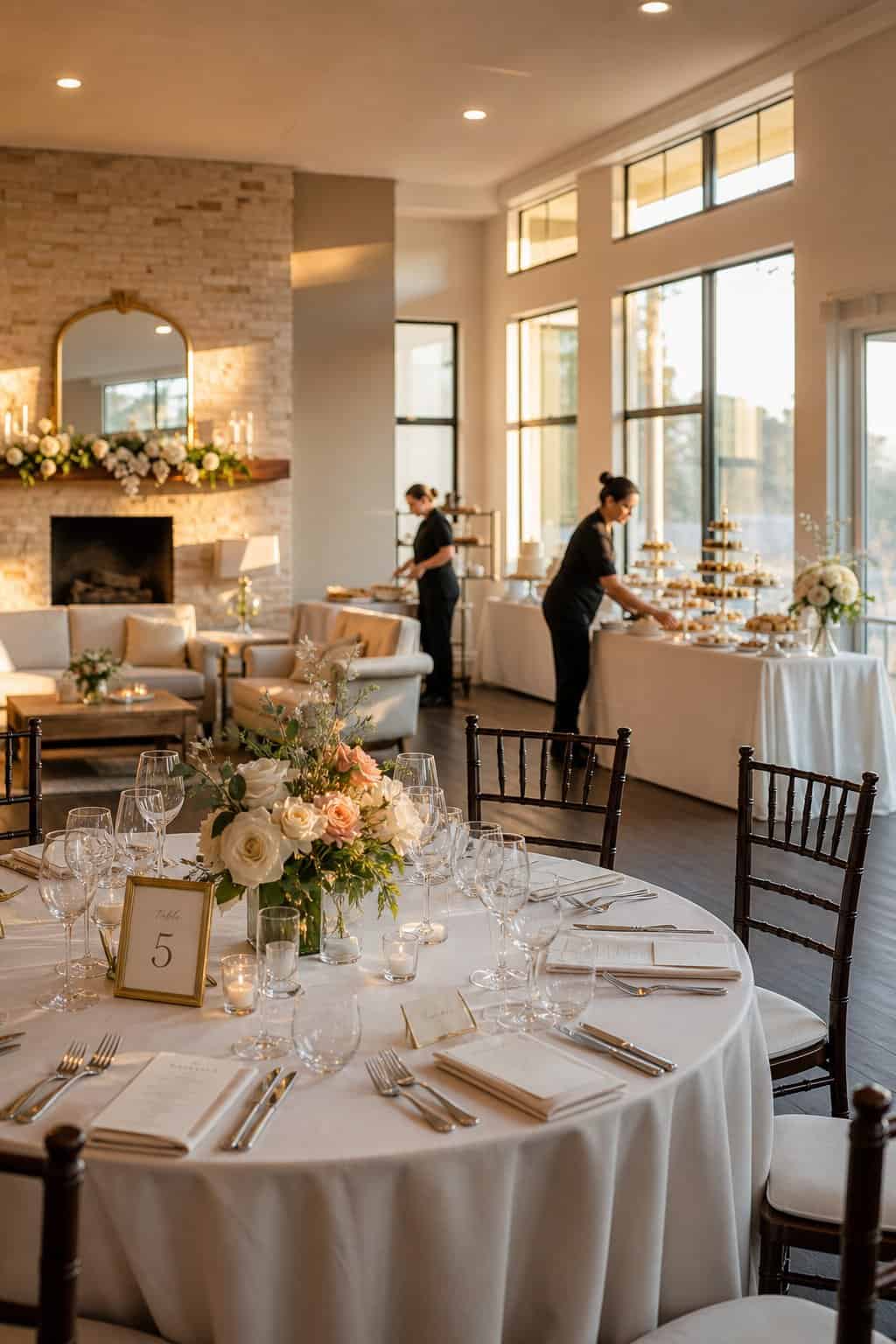
The 45-minute window works because guests expect a pause, vendors need buffer time, and having a detailed timeline with contracted task windows helps keep everything on schedule. The 45-minute vendor buffer is actually industry standard; any less and the setup between the ceremony and reception feels rushed. However, any more time than that and guest energy drops significantly.
A photographer portrait window is usually tight, which is why the couple needs to be prepped and ready immediately after the ceremony. The floral swap, which should take about 20 minutes, is one of the most underestimated tasks. Ceremony florals are often heavy and fragile, so this swap needs careful planning.
As a coordinator, I like to have a one-page, minute-by-minute timeline that all relevant vendors and people in the wedding party have. Verbal briefings are often forgotten, which is why I prefer everything in writing.