The rehearsal dinner is my favorite hidden gem of a wedding weekend. The pressure of the ceremony is still a day away, and the room is filled with your innermost circle. The clinking of glasses signals the start of something profound. But when it comes to the rehearsal dinner toast order, I have seen a beautiful evening turn into a collective puddle of tears simply because the emotional pacing was off.

Sandals Will Throw Your Wedding for Free
Stay 7 nights in a Club or Butler suite and Sandals covers the wedding: a personal planner, the ceremony, a private cocktail reception, a two-tier cake, your bouquet and boutonniere, plus $200 toward photos and $200 toward video. No venue hunt, no vendor juggling.
If you want to keep both mothers from crying at the exact same time, you need a plan. The spoken words shared the night before your wedding are incredibly powerful. They set the tone for the entire weekend. Structuring these speeches is less about strict etiquette and more about creating a rhythm that allows your guests to laugh, reflect, and wipe away a happy tear without feeling emotionally exhausted.
The Art of Emotional Pacing
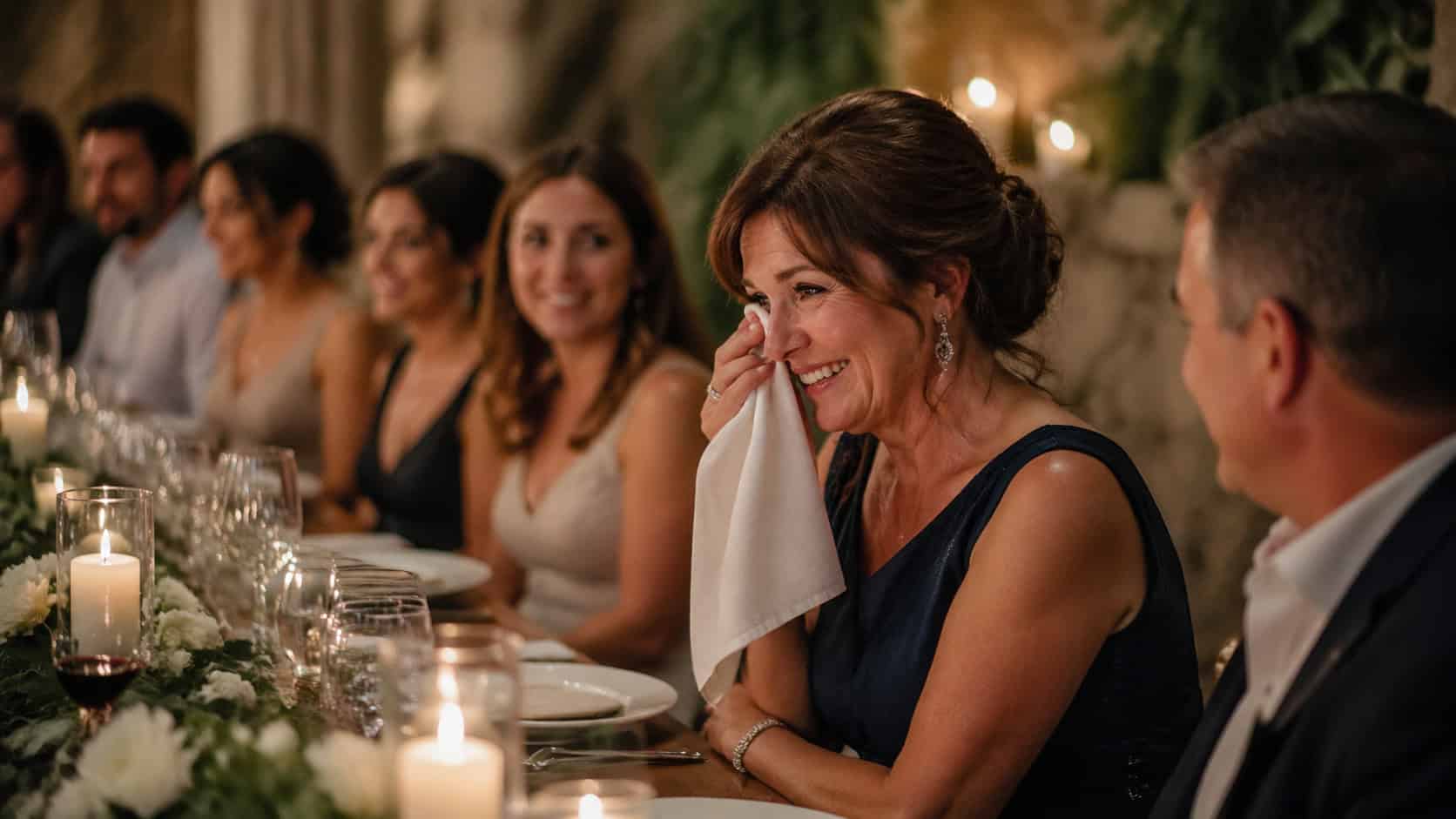
Think of your rehearsal dinner like a carefully curated playlist. If you play four acoustic love songs in a row, the room loses its energy. The same rule applies to speeches. When you place two highly sentimental parent speeches back to back, the emotion compounds. Before you know it, both mothers are weeping, the fathers are choked up, and the wedding party is desperately searching for napkins.
To prevent a total emotional overload, you need a buffer. You must weave the lighthearted, funny stories from your friends between the deep, historical love of your parents. This gives everyone a chance to catch their breath.
The Ideal Rehearsal Dinner Toast Order
While every family dynamic is unique, this flow consistently creates the warmest, most balanced atmosphere.
1. The Welcome (The Hosts)
Traditionally, the parents who are hosting the rehearsal dinner speak first. This usually happens just as guests are taking their seats or right before the first course is served. This speech should be brief and gracious. The host will welcome everyone, thank them for traveling, and express their joy about the upcoming wedding. It sets a welcoming, hospitable tone without diving too deep into the emotional archives just yet.
2. The Icebreakers (The Wedding Party)
Once the main course is underway, it is time to hand the microphone to the wedding party. This is the perfect moment for bridesmaids, groomsmen, or siblings to share their stories. These speeches are naturally more upbeat. They bring laughter, slightly embarrassing college memories, and inside jokes that lighten the mood. By placing these speeches here, you elevate the energy in the room.
Free Wedding Planning Checklist
Stay organized from engagement to "I do" — get our comprehensive checklist covering every task, deadline, and detail.
3. The Heartfelt Pivot (The Other Parents)
As dinner winds down and dessert is served, the room naturally quiets. This is the perfect time for the other set of parents to speak. Because the previous speeches were light and funny, the guests are ready for something more grounded. This is where the first real wave of happy tears usually happens. A mother or father sharing their pride and love for their child hits beautifully here, and because it is separated from the host’s welcome, the emotion feels earned rather than overwhelming.
4. The Anchor (The Couple)
The final word always belongs to the couple. You will close the evening by thanking your hosts, your wedding party, and your families. It is a moment to look around the room, acknowledge the village of people who helped you reach this milestone, and express your excitement for the ceremony tomorrow. Keep it warm, keep it brief, and let it be the gentle conclusion to the night.
The Secret to Managing the Tears
The true secret to keeping both mothers from crying simultaneously is physical and temporal separation. Do not let the mother of the bride and the mother of the groom speak within twenty minutes of each other.
If the groom’s mother speaks during the welcome, let an hour of dining and a funny story from a best man pass before the bride’s mother takes the floor. This spacing allows the tears to dry, the laughter to return, and the next emotional moment to feel fresh and deeply moving.

WeddingGiftsWedding Embroidered Wedding Handkerchief
Check PriceQuick Reference: Toast Order and Timing
To help you visualize the evening, here is a simple breakdown of the ideal flow.
| Speaker | When It Happens | The Vibe | Ideal Length |
|---|---|---|---|
| The Hosts | Before the meal | Welcoming, gracious | 2 to 3 minutes |
| Wedding Party | During the main course | Funny, nostalgic, upbeat | 3 to 4 minutes each |
| The Other Parents | Before dessert | Heartfelt, sentimental | 3 to 5 minutes |
| The Couple | End of the evening | Grateful, romantic | 2 to 3 minutes |
Frequently Asked Questions
Do we have to follow a strict toast order?
Not at all. The order is simply a tool to help the evening flow naturally. You can adjust it based on who is comfortable speaking and the specific dynamics of your families.
Should the maid of honor and best man speak at the rehearsal dinner?
Usually, the maid of honor and best man save their primary speeches for the wedding reception. The rehearsal dinner is a wonderful opportunity for other bridesmaids, groomsmen, or close family members to share their thoughts.
How do we politely tell someone their speech is too long?
The best approach is proactive. When you ask someone to speak, give them a clear time frame. You might say, “We would love for you to share a three-minute story during dinner.” Setting expectations early prevents awkward moments later.