
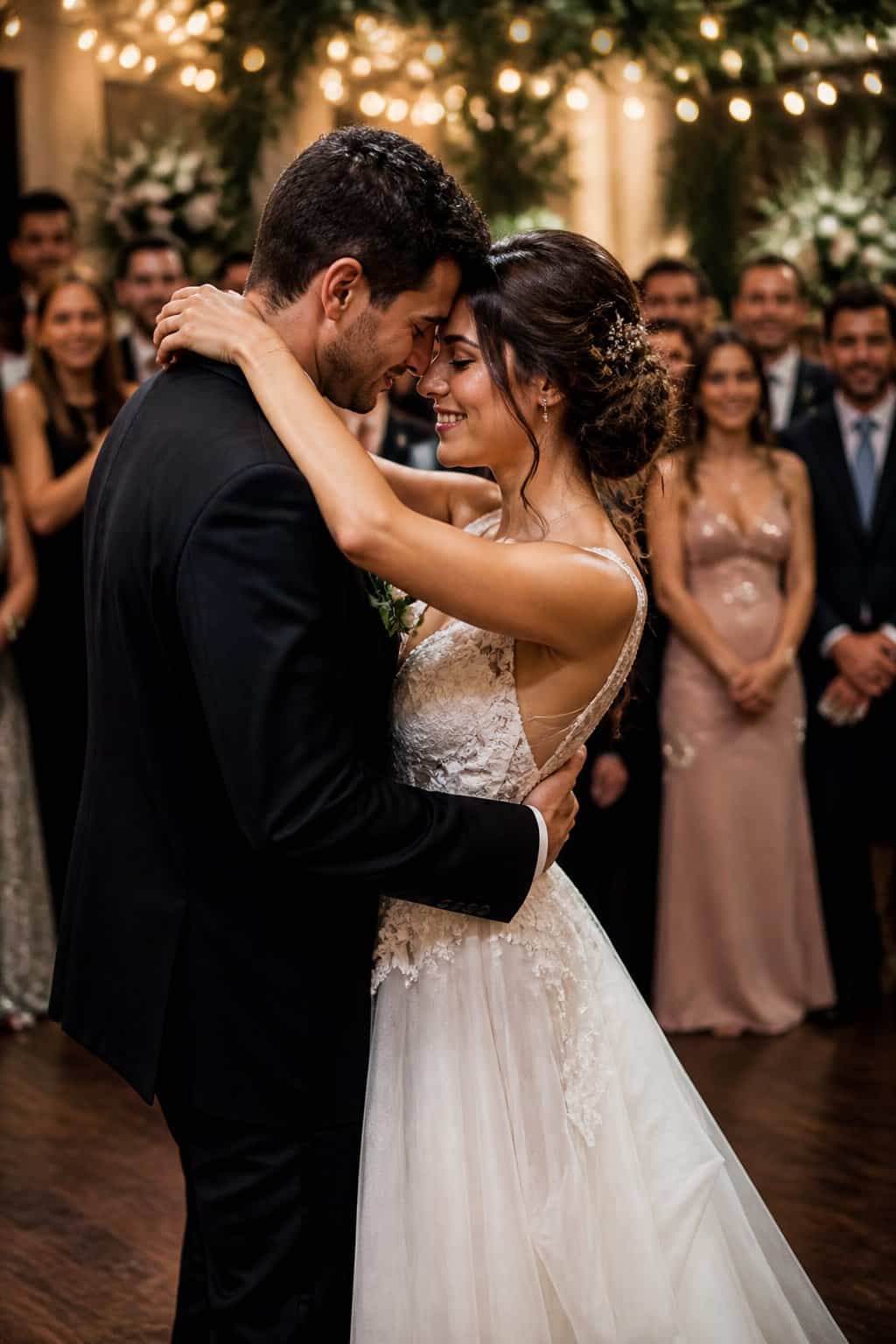
You step back from the slow sway of your first dance and feel a tiny shift in the air as the band or DJ cues the next track. The second dance song lands like a small nudge: lights brighten, laughter ripples, and you can almost hear shoes tapping at the edge of the floor. The second dance song often does more emotional work than the first—it resets the room, turns nervous intimacy into shared celebration, and makes everyone feel invited to stay.
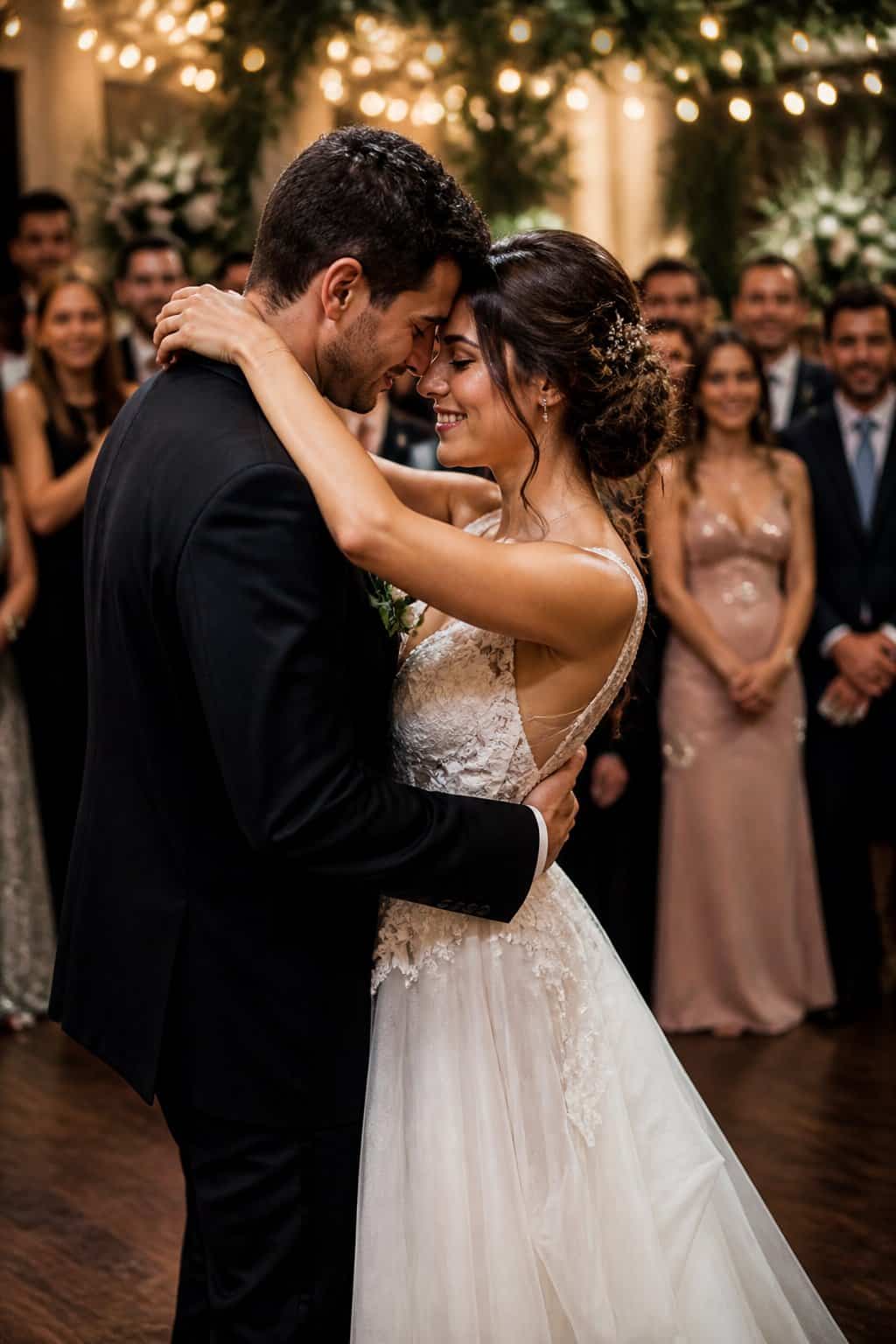
I’ve watched that pivot dozens of times: a grandmother’s hand find a cousin’s, kids abandon their phones, and the photographer starts chasing movement instead of posed smiles. The song you choose there decides whether the party stretches the night or quietly fizzles. That quiet, overlooked choice can shape how the evening unfolds, how memories settle, and how you remember the night long after the last encore.
1) Why the second dance is the reception’s emotional reset — I always watch for it

Win a Free All-Inclusive Honeymoon
Imagine starting your marriage with a free getaway to the Caribbean. Enter this Sandals sweepstakes for your shot at 4 days of all-inclusive luxury—fine dining, turquoise water, and zero stress. Takes 2 minutes to enter.
I notice it when the band fades one song and the lights dip a fraction — conversations slow, a fork pauses mid-air, and a new rhythm arrives. That shift feels physical; you can hear high heels tap differently and see shoulders relax as if someone opened a window.
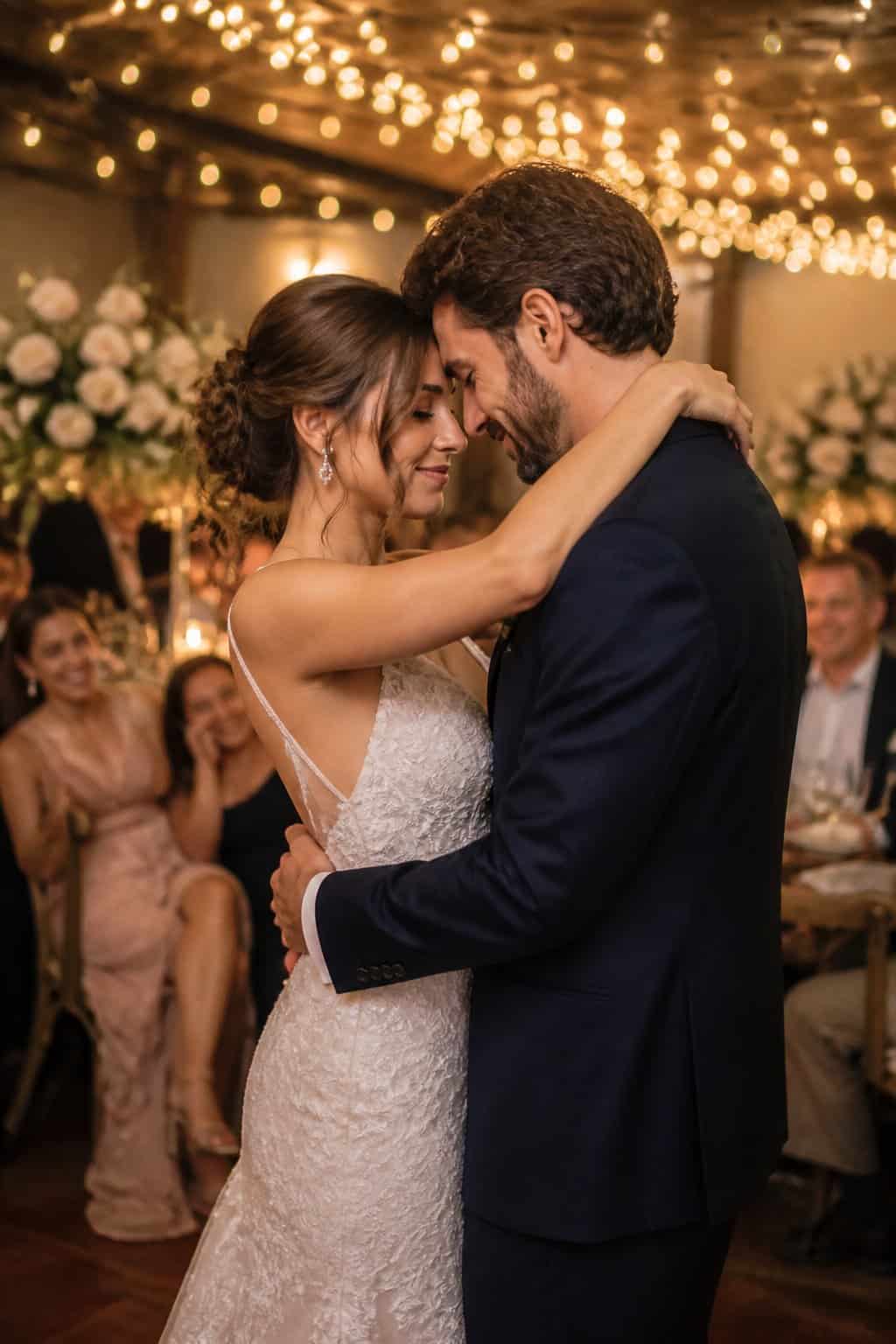
The first dance is intimate and deliberate. The second dance flips the room toward everyone. I watch parents trade knowing smiles and singles pull in friends, because the tempo or lyric invites people to move and laugh together.
Sometimes the second song repairs a quiet table or lifts a lull. A bright chorus can turn polite clapping into real dancing, and a steady beat can coax shy guests to the floor. I keep my eyes on that moment; it tells me how the night will breathe.
2) Choosing an upbeat second dance to turn intimate first-dance nerves into joyful momentum
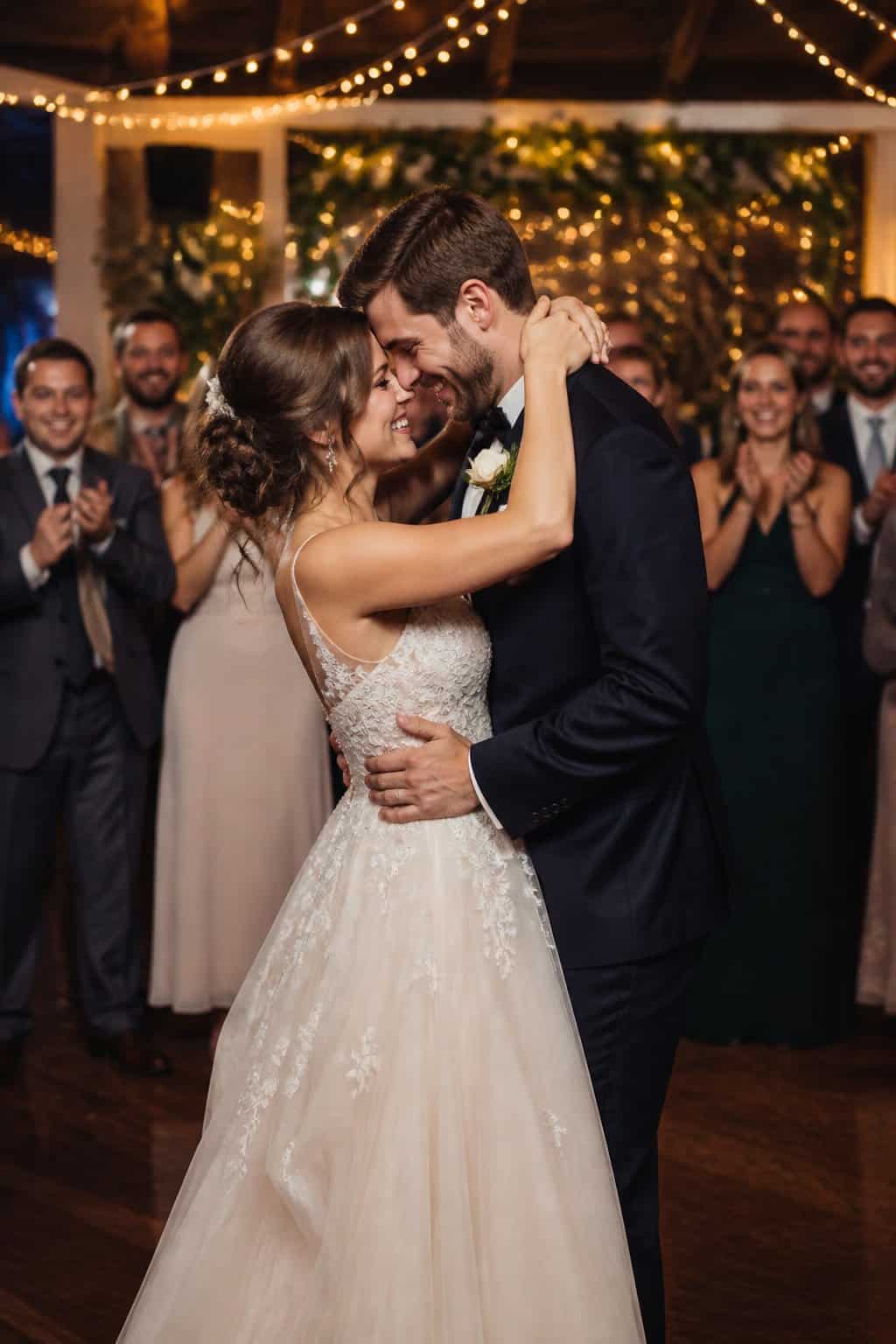
I remember the soft hush after our first song — the hush that makes your hands sweat a little and your breath feel too loud. An upbeat second dance snaps the room awake: you hear shoes tapping, glasses clinking, and laughter folding into the rhythm. That shift loosens the knot of nerves and invites everyone to move with you.
I pick songs with a clear beat and a warm, singable chorus. The music should feel like a friendly nudge, not a spotlight. When the band hits that first chorus, I see guests trading wary smiles for wide grins.
Choosing something lively also protects the memory of the first dance. It lets the intimate moment breathe while the party grows. I love watching relatives who stayed seated stand up and pull each other in — the floor fills, and the joy becomes impossible to ignore.
3) Selecting a crowd-pleaser second song so grandparents and cousins flood the floor
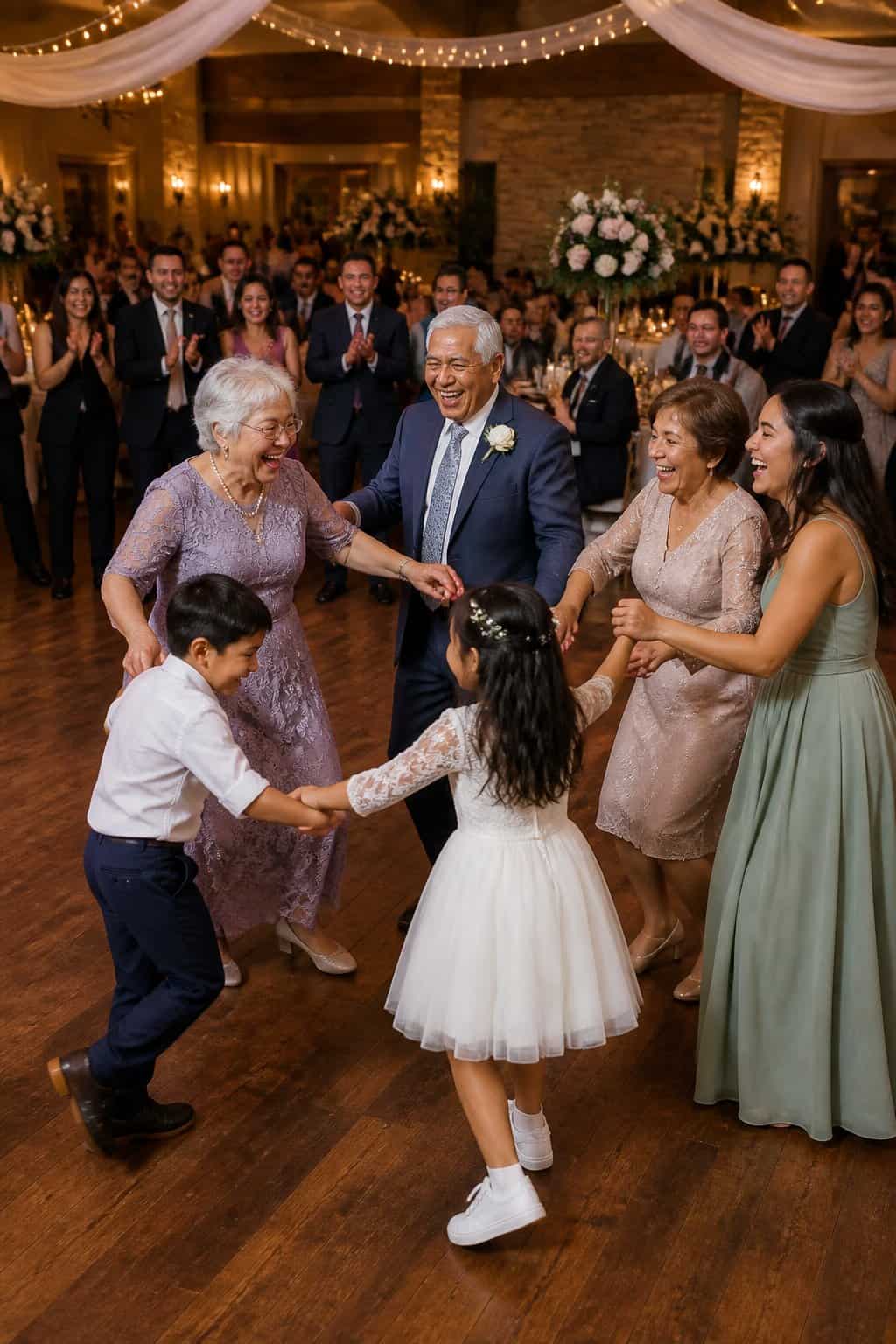
I watch the room change when the first slow number ends — folding chairs push back, napkins forgotten, and my uncle taps his cane to the beat. I pick songs that sound good on cheap speakers and in echoey reception halls; a clear melody and steady rhythm make it easy for older guests to hear and for cousins to jump in.
I like tunes with singable choruses and familiar hooks so grandparents can hum along while teens nod their heads. A little bit of swing, Motown, or a well-loved pop classic fills the floor without asking anyone to perform.
I also think about tempo shifts. A song that nudges energy up gently invites slow dancers to loosen up and party people to stay. When the right track hits, you see hands in the air and three generations laughing on the same square of hardwood.
4) Using the second dance to honor a late loved one with a meaningful lyric
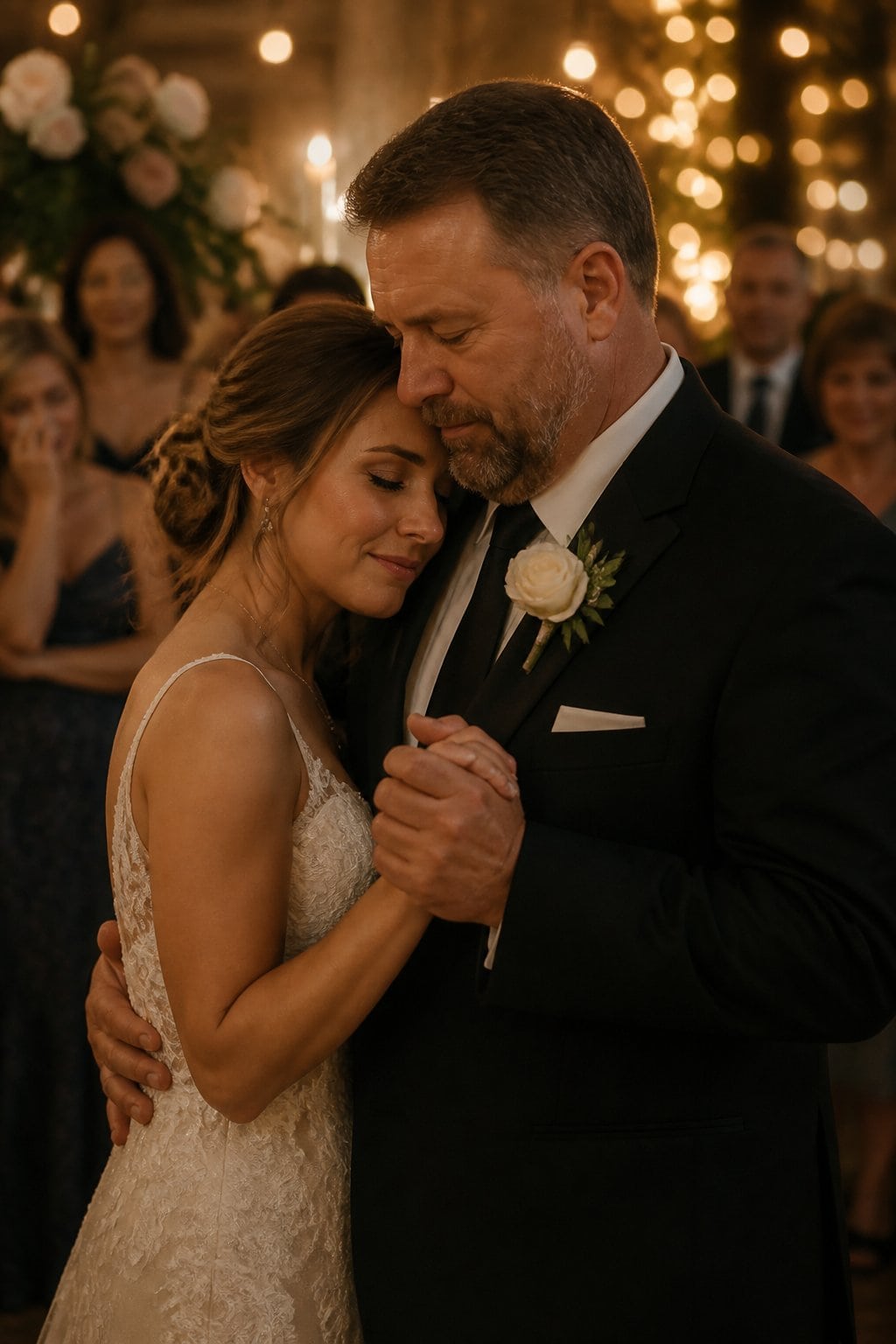
I remember the thin scrape of a chair as a guest stood, the room quieting like breath held. I choose a second-dance song that contains a lyric which names what we miss — a line about laughter, about a hand, or about returning home. That single phrase can make people in the room lean in.
When the band softens and the couple moves, I watch faces change; some eyes glisten, some look away. A lyric tied to a memory lets the dance do more than celebrate the present — it folds the absent person into the moment.
Pick a line your family knows. Maybe it’s a chorus your grandmother hummed or a verse that echoes in old photos. The lyric becomes a touchstone: short, audible, and honest, and it gives the dance a quiet, shared language for grief and love.
5) Switching tempos — start slow, then surprise everyone with a high-energy second dance
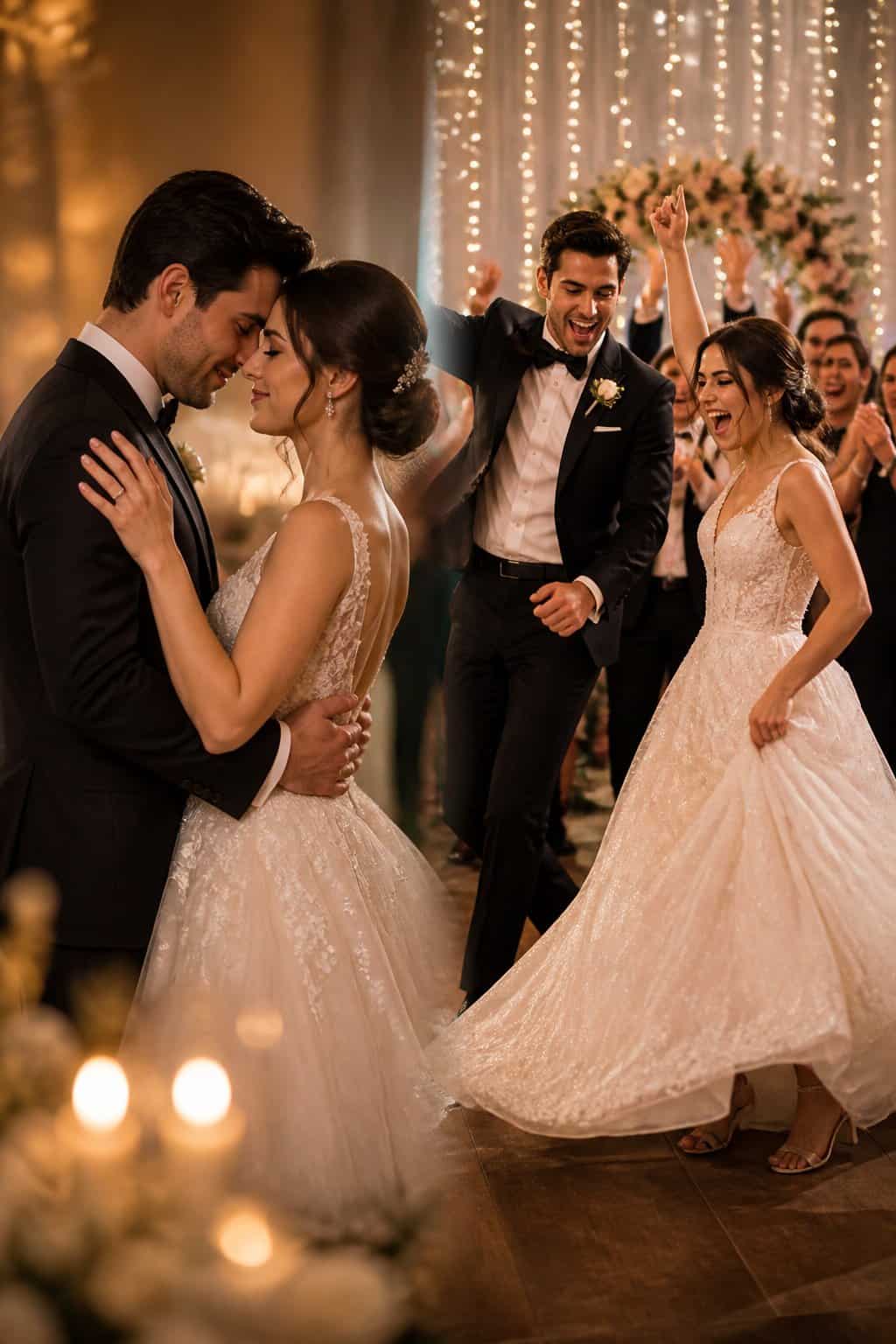
I remember the hush when the slow song began and the band softened the lights; you could almost hear the guests breathing. My hands felt warm in my partner’s, and that quiet made the room lean in.
Then the beat snapped to life and shoes hit the floor in a rush of laughter and clapping. I love that contrast — the tenderness of the first steps, then the joy of everyone joining the party.
A sudden tempo change wakes people. It turns a private moment into a shared lift, and you can see the smiles spread across the room like sunlight. I often suggest this to couples who want both intimacy and a release.
If you work with the DJ, pick songs that have clear beats and a planned transition so the shift feels intentional. The surprise should feel celebratory, not jarring, and the crowd will reward you with cheers and a full dance floor.
6) Making the second dance your true party starter (Queen, “Don’t Stop Me Now”)
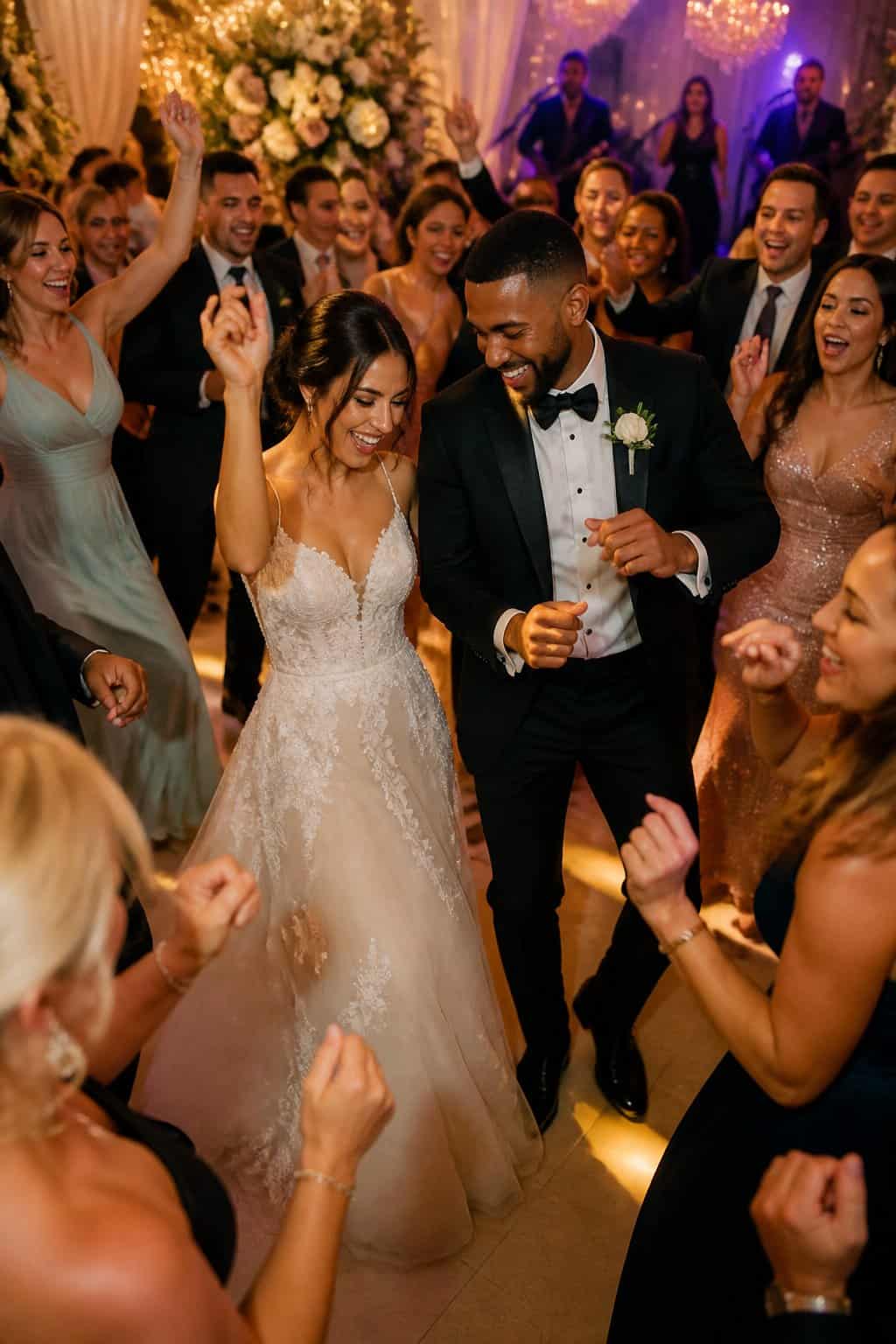
I remember the instant the lights shifted from warm amber to bright white and someone cracked open a bottle with a pop I could hear across the room. The first dance often feels intimate, like a secret shared, but the second dance is when the reception exhales and the party begins.
I choose a song that lifts the energy — the beat hits the floor and you can feel people lean in. Guests drop napkins, laugh, and the kids who’d been hiding join the circle; the band or playlist kicking into a faster tempo changes faces and feet.
When I pick a high‑octane tune, I watch couples trade slow pulls for goofy spins. That switch marks a new chapter: vows done, eating done, now celebration. The second dance says aloud that the rest of the night is for joy.
7) Picking a culturally significant second dance that celebrates family heritage
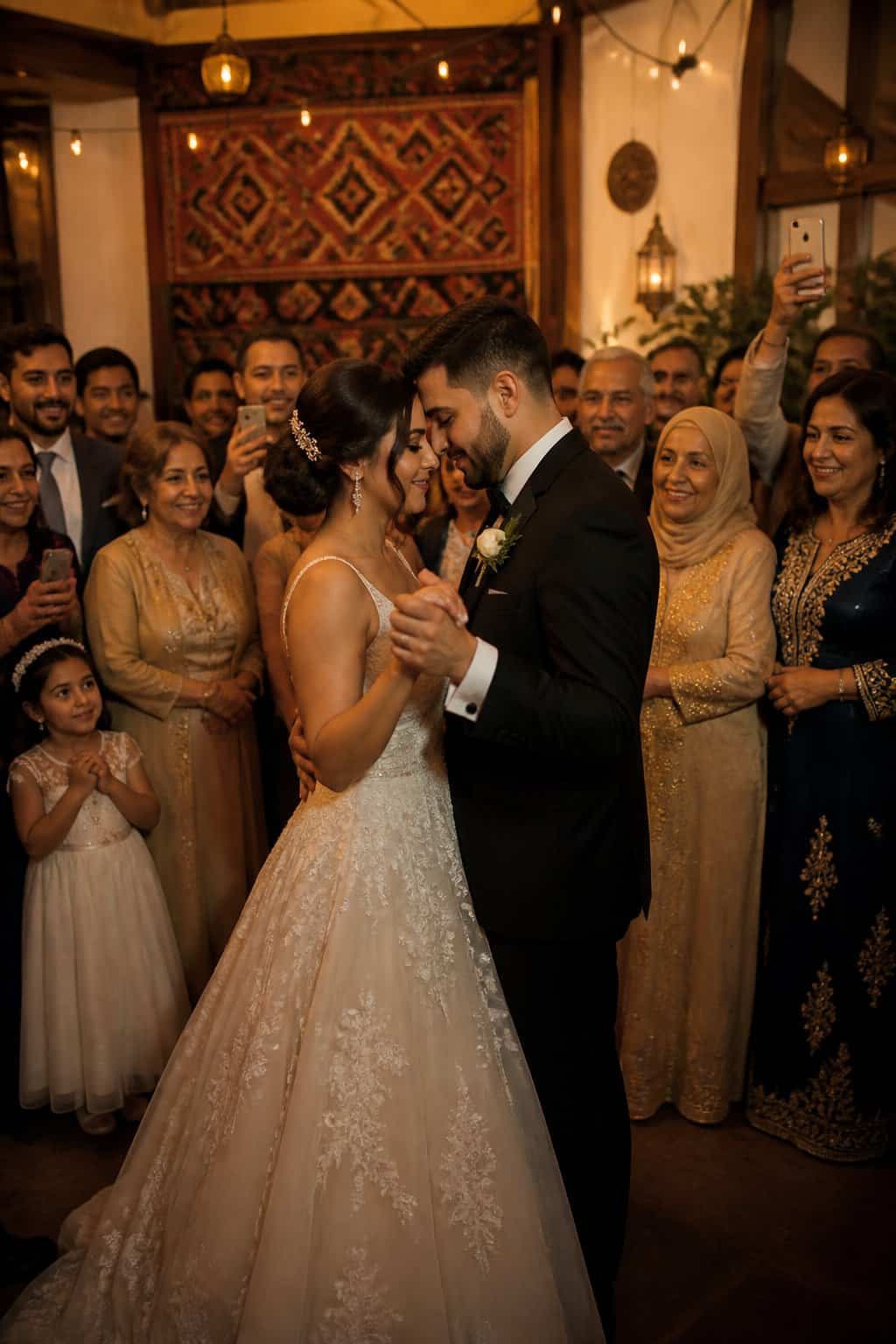
I remember the hush when my aunt’s cousins stood at the edge of the dance floor, their worn scarves rustling as the band struck the opening chord of the song my grandmother hummed all her life. The air tasted faintly of lemon cookies and coffee, and faces softened when the first notes landed. Choosing a second-dance song like that turned a private memory into something everyone could feel.
I pick music that lets elders lean in, not just watch. A melody with familiar rhythms or a language a few family members still speak invites stories. You might hear soft clapping, an embroidered dress sweep, or someone quietly translating a line — real, small sounds that root the moment.
I also look for a song that lets my partner and I move gently among relatives. It’s less about spotlight and more about weaving in names, gestures, and jokes. When the music carries family threads, the dance becomes a living nod to where we come from.
8) Letting the second dance showcase your playful side (Red Hot Chili Peppers, “By the Way”)
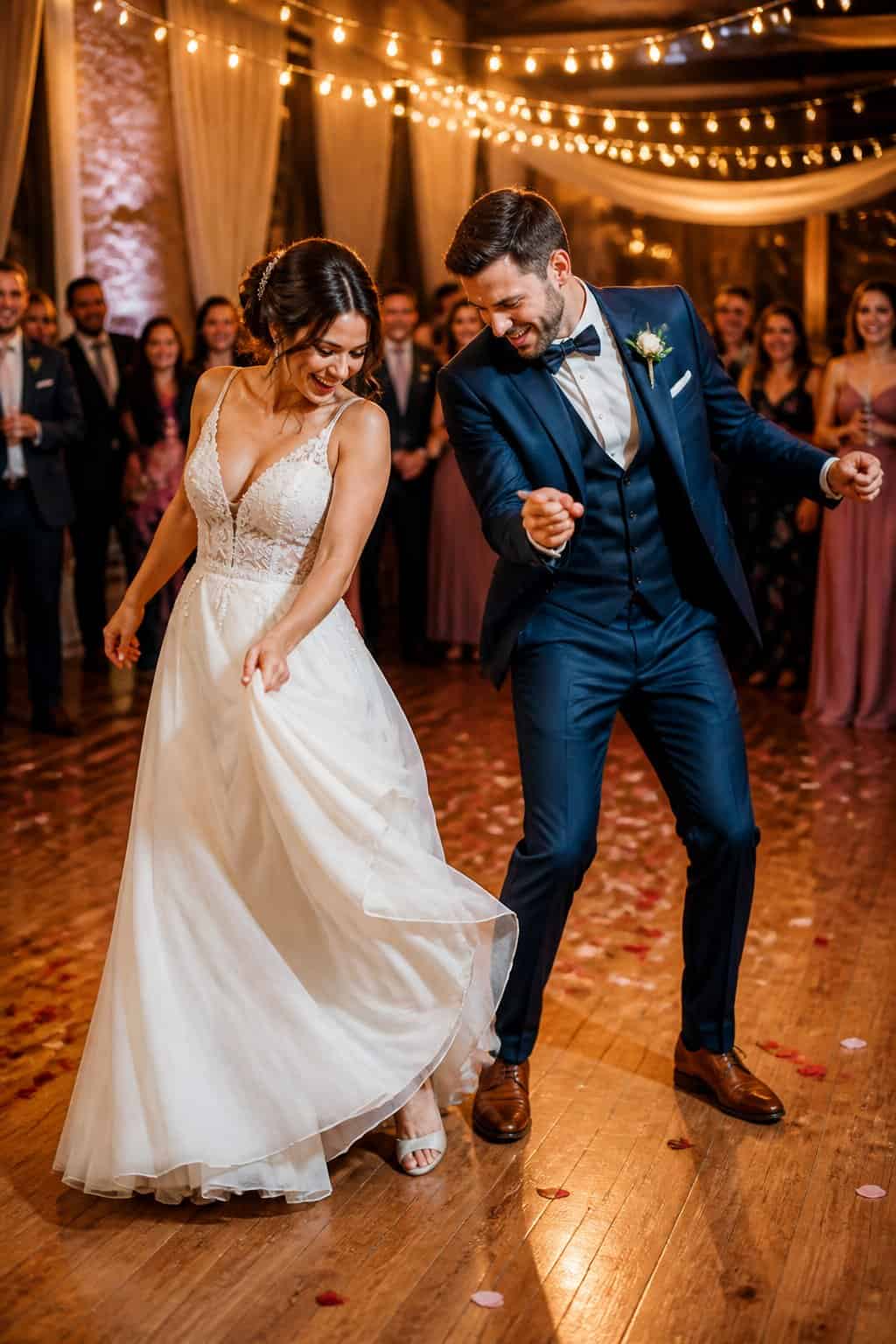
I remember the kitchen lights low and a few guests swaying with drinks in hand when the band dropped a faster, cheekier number. The beat made my shoulders loosen; I could hear laughter as my partner pretended to lead with a clumsy spin. That small looseness—an audible guitar lick, a quick drum fill—pulled us out of ceremony mode and into a private joke.
I choose a second-dance song like “By the Way” when I want energy over solemnity. The lyrics can be gritty and the groove bright, so the room feels alive rather than hushed. You trade the slow-focus spotlight for a moment that invites grins, elbow bumps, and a little theatrical flair.
When I pick this kind of song, I watch people relax. Parents tap toes. Friends clap offbeat. It becomes a warm, loud nod to the fact that marriage is equal parts devotion and delight.
9) Designing a second dance that bridges formal photos and full-on dancing
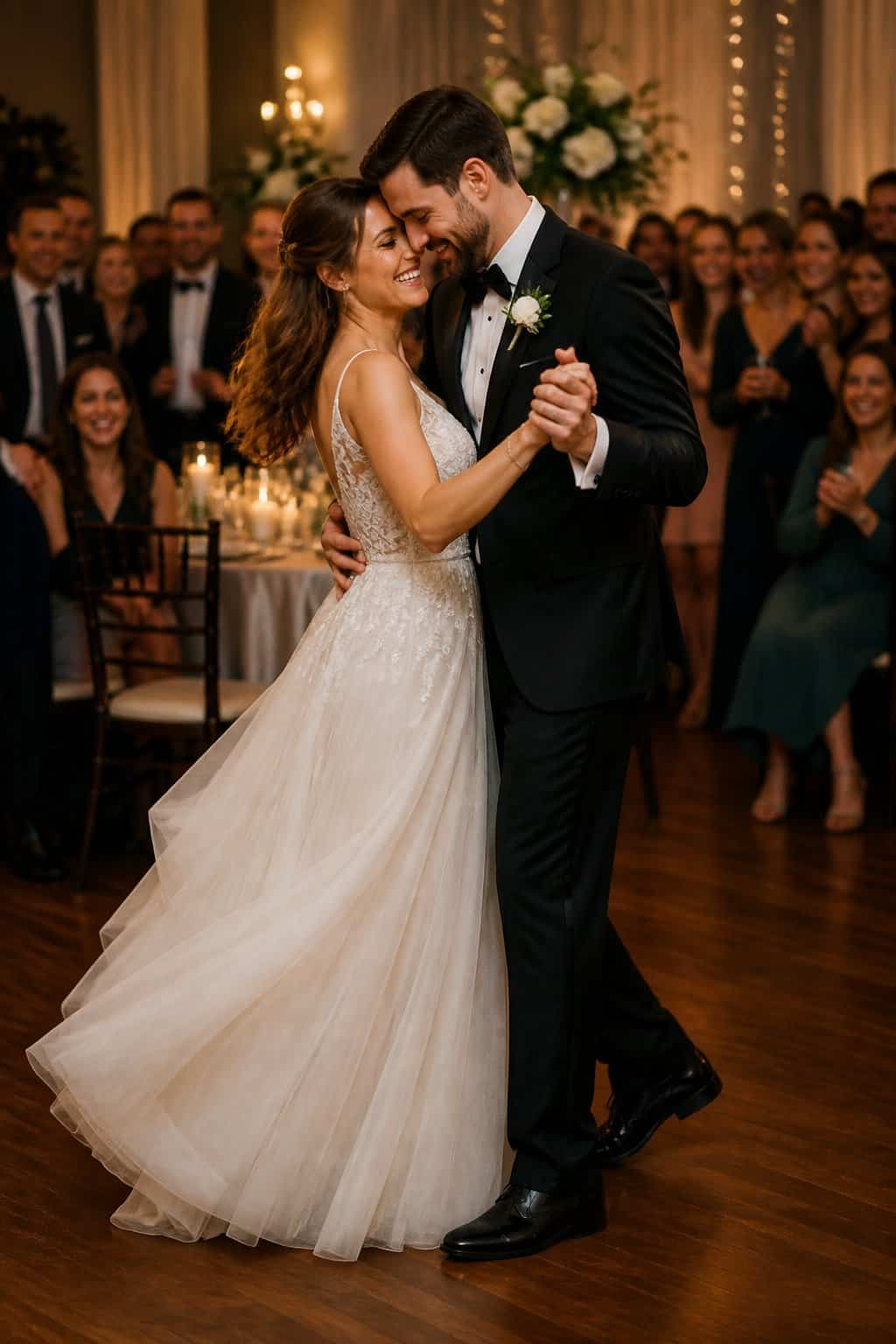
I watch the photographer close their lens as the last posed smiles fade and hear the soft clink of a champagne glass being set down. I like the second dance to start where photos leave off: a song with a steady beat that keeps people standing, not posing, and with enough warmth to invite a hand on a shoulder.
Choose a track with a clear rhythm you can feel in the floorboards. Guests should move from stiff elbow-to-elbow frames into easy sway and small circles without awkward pauses. I look for a tempo that nudges older relatives to tap their feet and gives younger friends a cue to let loose.
The right lyrics matter less than a mood you can sense — laughter at a chorus, a couple of whispered lines, a ring of clapping that grows. That audio shift tells the room it’s time to trade framed smiles for motion.
10) Choosing a singalong second song to create instant shared memory (Journey, “Don’t Stop Believin’”)
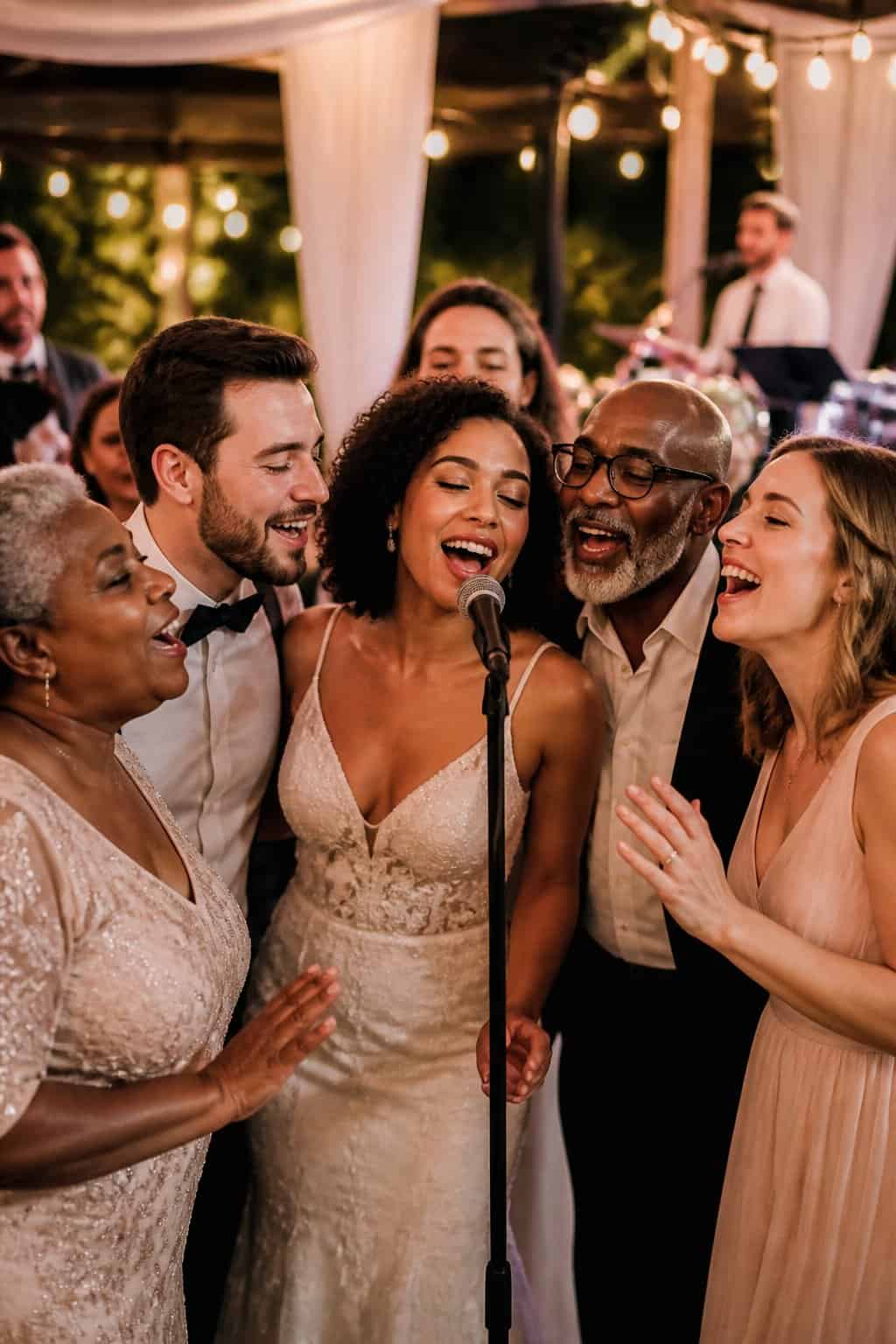
I remember a reception where the lights came up just enough to see faces and someone started clapping the piano intro. The room filled with the jangling notes and a dozen voices joined in on the chorus, loud and a little off-key, and that sound pushed strangers into a single bright moment.
Free Wedding Planning Checklist
Stay organized from engagement to "I do" — get our comprehensive checklist covering every task, deadline, and detail.
When you pick a singalong like Journey’s “Don’t Stop Believin’,” people hum the opening riff before they know the words. I feel the vibration of collective singing—children bouncing, a grandfather tapping his cane—turning isolated guests into a chorus. That shared noise becomes a memory everyone can hum on the drive home.
I choose these songs because they create a living record: the echo of a thousand voices, the sticky sweetness of cupcakes forgotten on tables, the clink of ice in a champagne glass. Those small, messy sensory details anchor the memory long after the first dance fades.
11) Crafting a second dance for intergenerational inclusion — something everyone knows
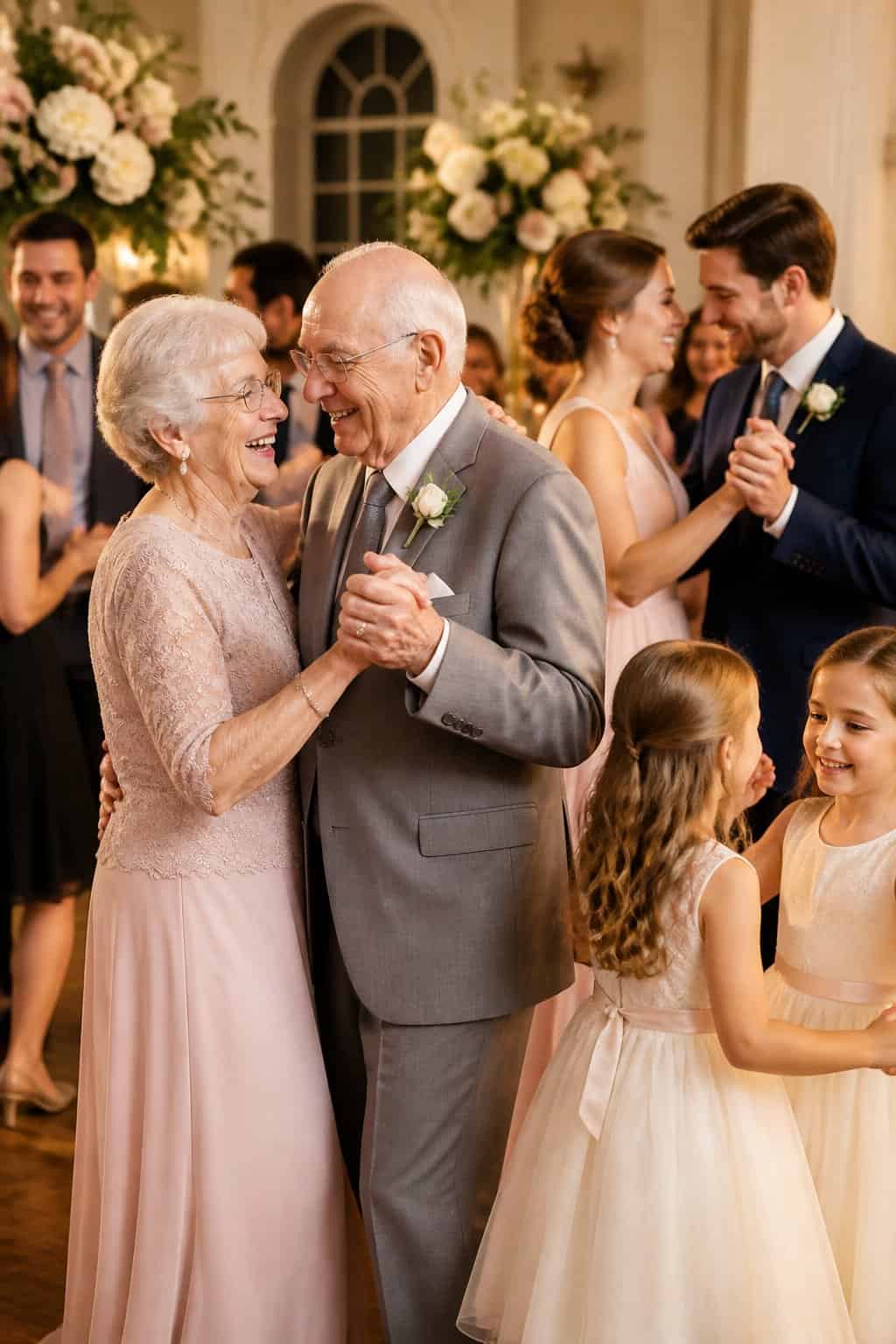
I remember the sound of little sneakers scuffing the floor while my grandmother tapped a rhythm with her cane. That mix of tiny feet and old-fashioned taps taught me to pick a second dance that invites everyone to the floor, not just the couple.
I look for a song with an easy, steady beat you can feel in your chest. It helps grandparents groove without learning steps and kids to bop along, so the room fills with movement and laughter.
I choose lyrics that are simple and warm, not private declarations. That way a surprised aunt or a new friend can join without feeling like an intrusion.
I plan transitions that cue people gently — a soft mic invite, a quick clap, or a familiar chorus. Those small gestures turn a couple’s second dance into a shared moment across ages.
12) Using the second dance to reveal a planned choreographed routine
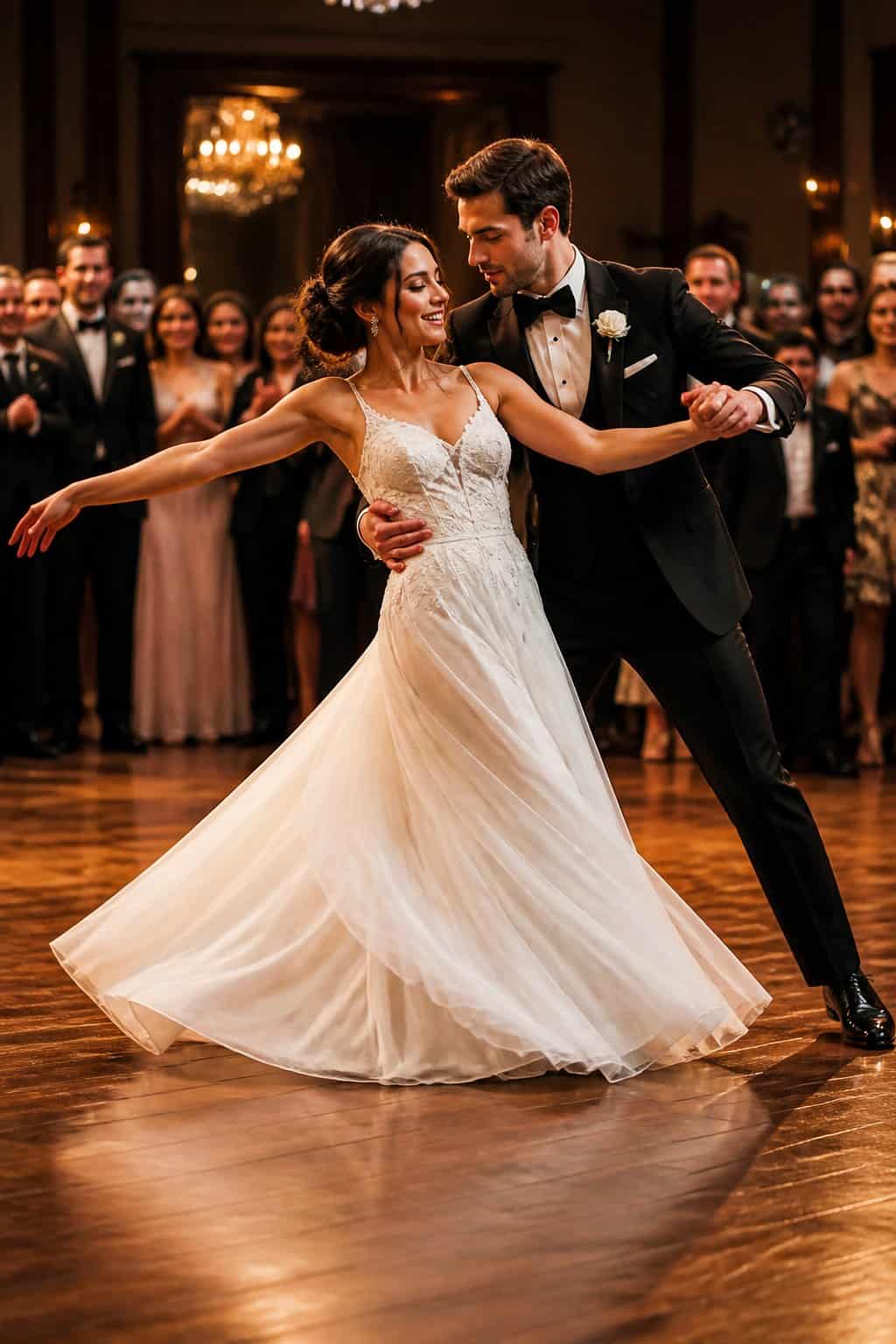
I remember the hush when the DJ cut the slow song and the beat dropped — you could feel shoes shuffle and a dozen phones lift like small, curious lighthouses. I love how a second dance gives you cover: guests think they’re watching one more tender song, then the couple steps into something practiced and joyful.
You can hear the first crisp stomp of a coordinated turn, the laugh that follows a perfectly timed spin. That audible surprise turns the room into a co-conspirator; people lean forward, clap, and cheer because they were invited into the joke.
Choreography here isn’t about showing off. I’ve seen it knit families together: a bridesmaid’s misstep that becomes part of the joke, a parent joining mid-routine. The planned routine makes the second dance feel like an intentional reveal, a little gift to your guests that also frees you to be playful and present.
13) Picking a second dance to reset the vibe after a formal speeches block
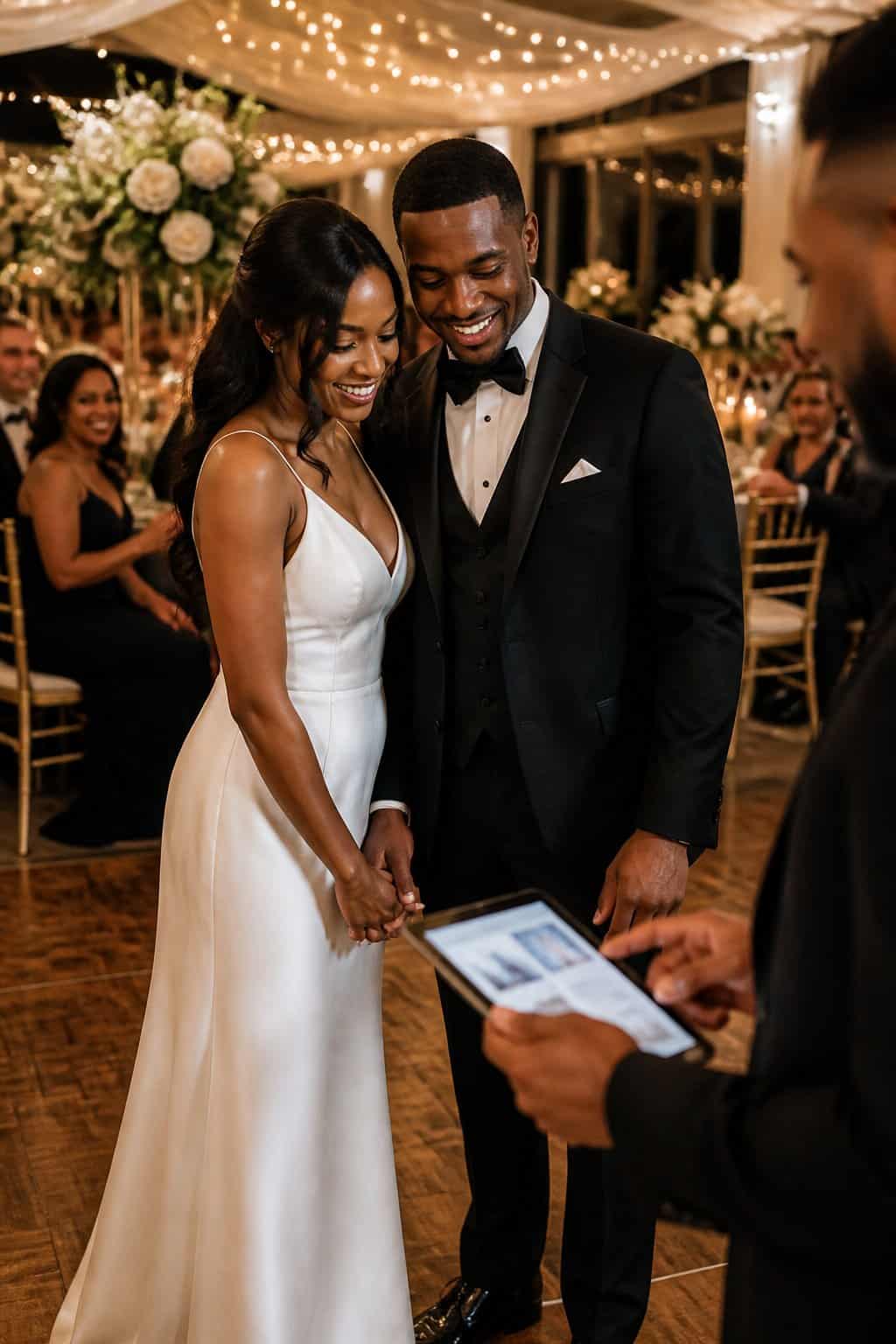
I notice how the room tightens during speeches: guests lean forward, napkins crease in hands, and glasses are set down with a polite clink. I pick a second dance that loosens shoulders and brings in sound—something with a warm beat or an inviting chorus you can feel in your chest.
I like songs that let people breathe again. A bright piano note or a steady drum thump can move conversations from solemn to smiling. I watch faces soften, toes start tapping, and someone at the back stands up just a little taller.
The right choice respects what came before but asks the party to return to the present. I aim for a tune that feels like an exhale—clear, human, and easy to join—so the night shifts from listening to living.
14) Choosing a second song with a lyrical hook everyone can clap along to
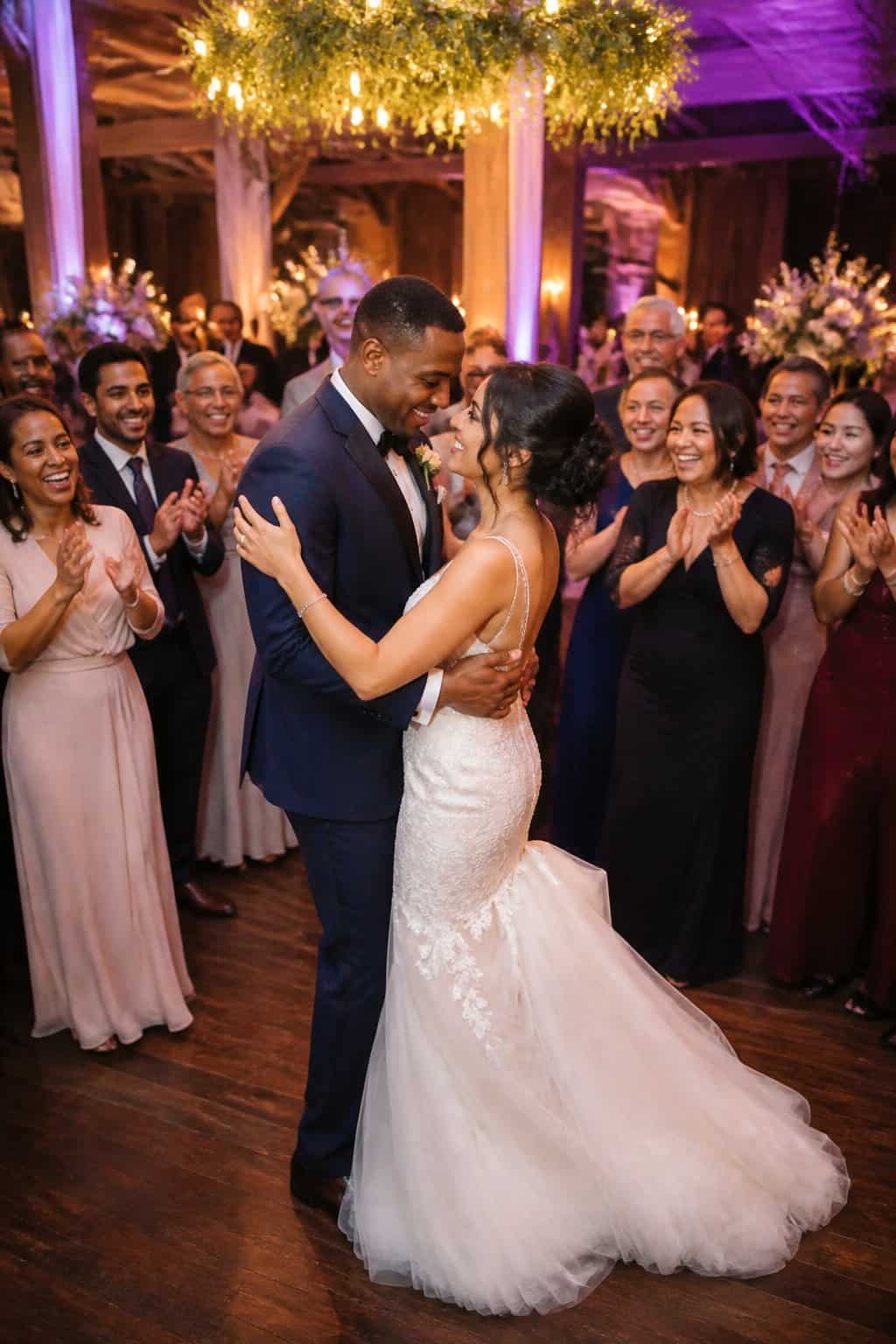
I remember a wedding where the room felt heavy with starch and nerves, then a single chorus landed and guests started clapping like a wave. The sound of palms in time turned stiff smiles into real ones, and I could see grandparents leaning forward to join in.
I pick second songs that have a clear, repeatable lyrical hook — a phrase people can mouth without knowing every verse. That simple line becomes an invitation to participate, and I watch strangers find a common beat.
A clap-friendly hook gives the moment texture: the click of hands, a child’s small offbeat, the bride’s breath catching. It moves the energy from formal to alive, and that shift often reveals as much truth as the first dance did.
15) Making the second dance the moment wedding party introductions fade into celebration
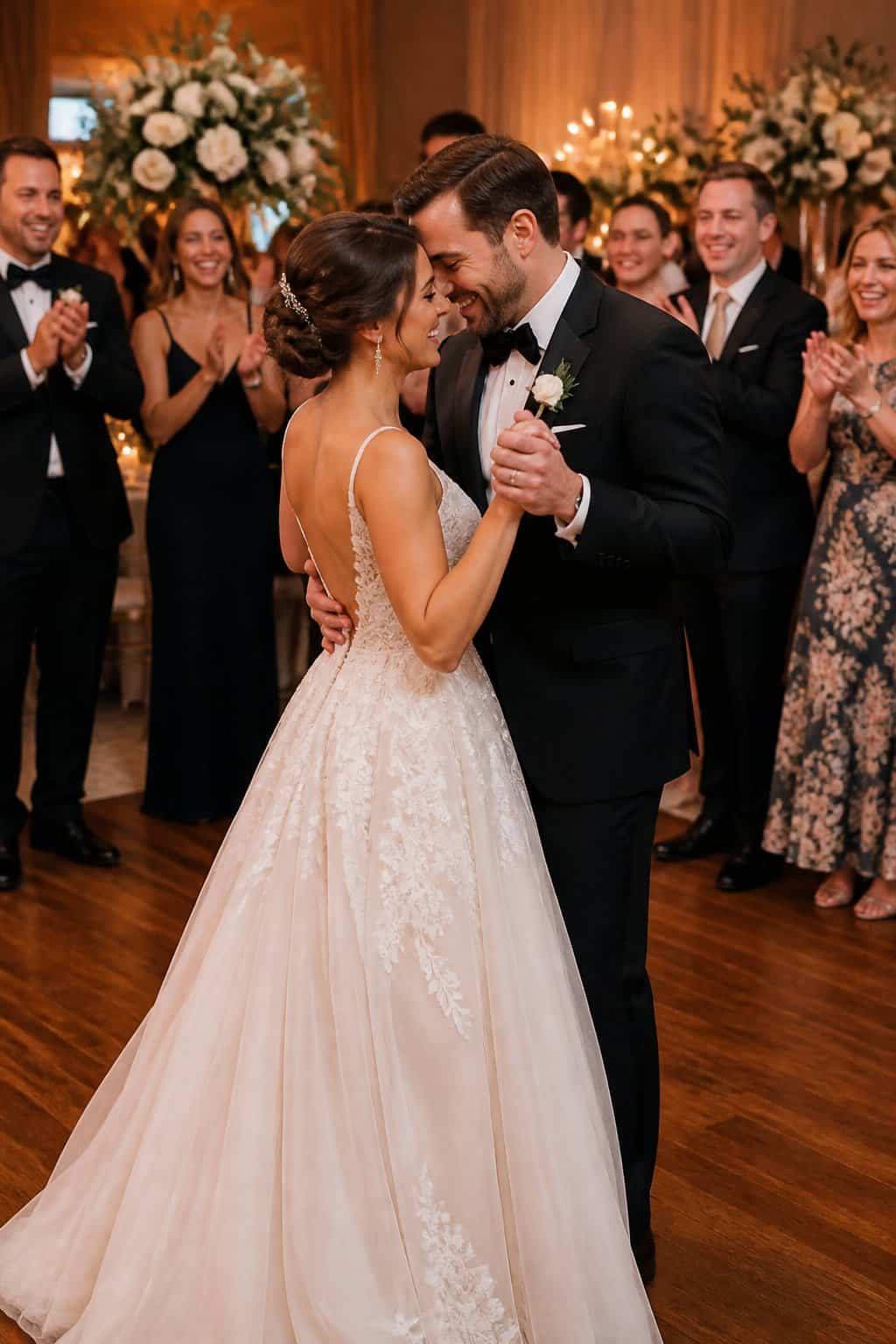
I watch the last name call land, see the bridal party wave, and feel the room shift from scripted cheer to loose energy. Plates clink at the edges of the floor, someone laughs at a private joke, and the DJ fades the intro music. That small change in sound tells me the night is ready to breathe.
I like choosing a second-dance song that lifts the tempo just enough to pull people off their chairs. You hear napkins rustle, see phones tucked away, and watch cousins who’ve been cornered at the bar glide toward the band. The song should invite motion, not demand it.
When introductions end with a single, well-timed track, the moment feels intentional. Guests connect names to faces and then get invited—by the beat—to celebrate together. That gentle handoff makes the party feel like it belongs to everyone, not just the couple.
16) Selecting a second dance that reflects the day’s growing emotional arc
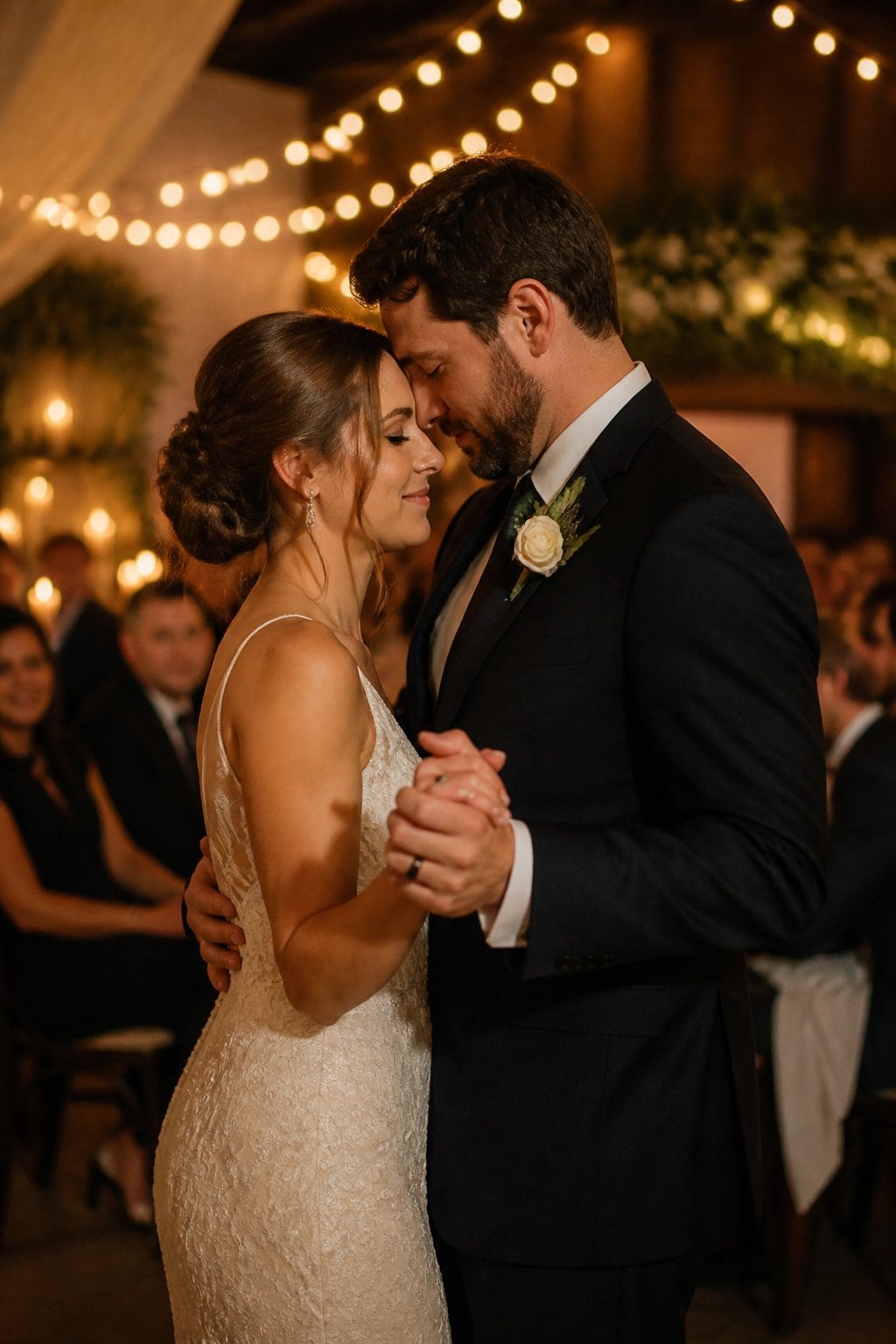
I watch the light shift across the reception floor—the late afternoon glow softens, and laughter thins into quieter conversations. I pick a song that matches that temperature change, something with a slower pulse or a lyric that nudges guests to lean in.
I remember the scrape of a grandmother’s fork pausing mid-bite when the band slowed; that tiny silence tells me more than any checklist. The second dance should echo what people already feel: warmth, a little tired happiness, and honest connection.
I choose music with a scent of familiarity—a chord progression that makes relatives glance at each other or a phrasing that lets the couple breathe into the moment. The song becomes the emotional pivot; it turns the night from celebration into something softer and nearer to the heart.
17) Letting the second dance be the couple’s wink to guests — playful, slightly unexpected
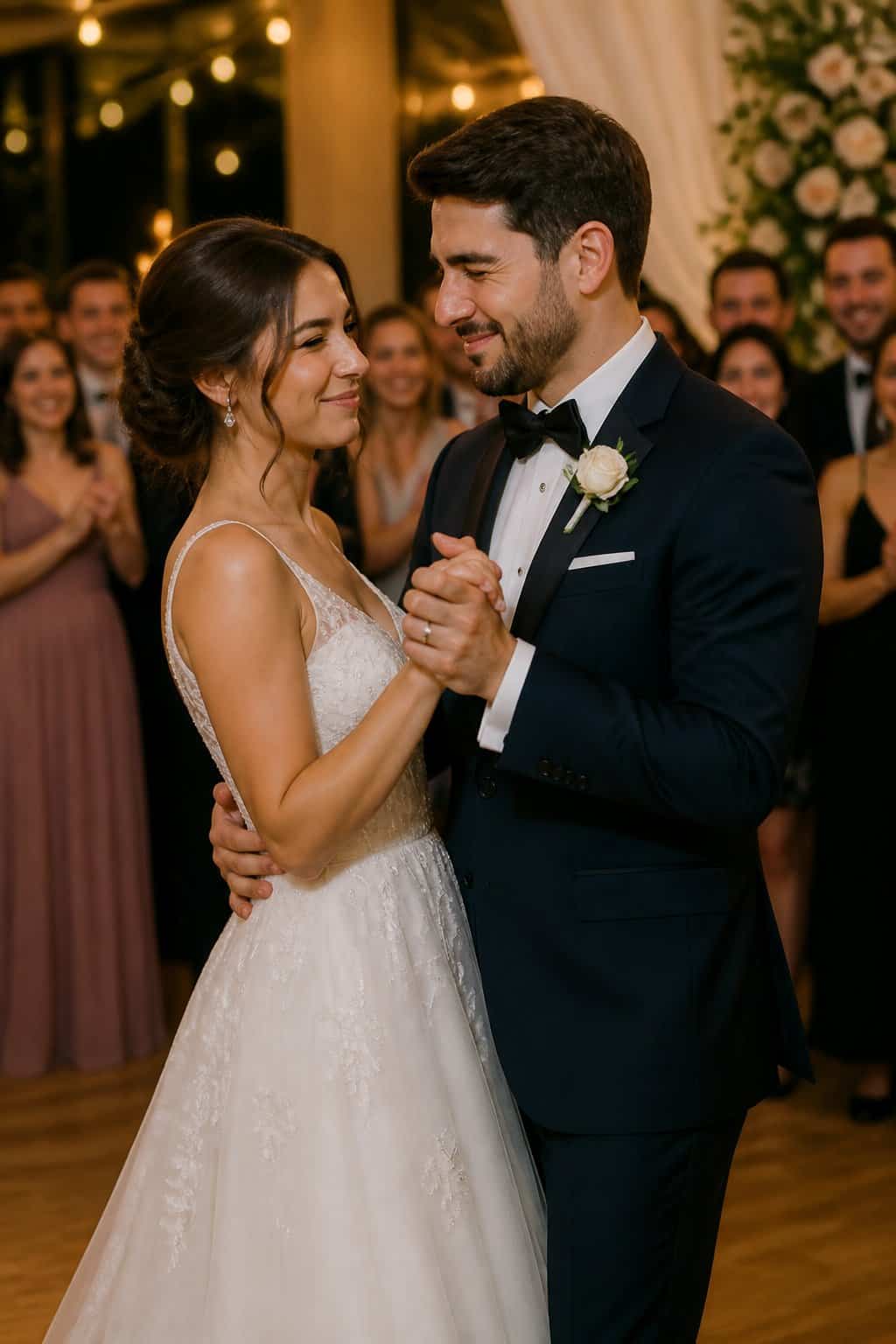
I remember the low hum of conversation cutting out when the band struck the first offbeat chord of our second dance; someone laughed, surprised, and the whole room leaned in. The song wasn’t a ballad or a slow-sway; it had a bright, slightly cheeky rhythm that made my cheeks warm and my partner grin.
I love that the second dance can be the moment we nudge our guests — a private joke made public. You can see aunties tap a toe, teens trade a look, and parents relax into a smile because the mood has shifted to joy.
Choosing something playful lets us show another side of our story. It felt like handing the party a key: the lights stayed soft, but the energy rose, and people moved closer to the floor as if they’d been invited to a small, delicious secret.
The Subtle Shift: How the Dance Floor Becomes a Living Memory
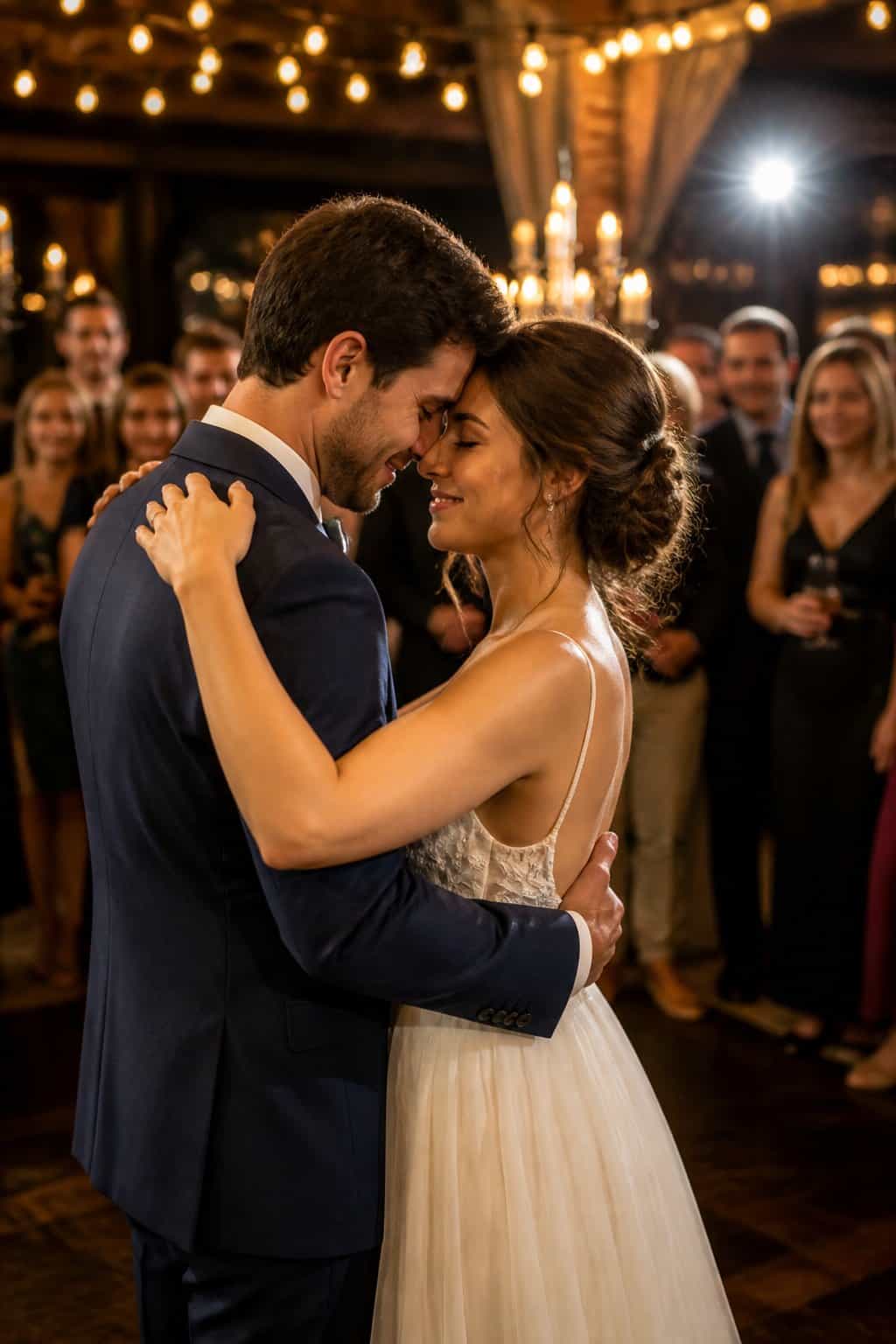
A single song can change the mood of a room. I notice how the light, the laughter, and the bodies on the floor realign around one track and carry a memory long after the band packs up.
Moments That Surpass the Spotlight
I remember a second-dance when the overhead string lights flicked as if taking a breath. The groom pulled his grandmother into the circle, and the band hit a quiet piano phrase that made the chatter drop to a hush. You could see people lean in — a perfume note, a cuff brushed, a napkin folded and forgotten on a chair.
That song let relatives who never spoke much exchange a glance. It turned a rehearsal of smiles into something human: cheeks wet, hands searching for another hand. Those are the moments that outlast the formal speeches because they feel earned and unplanned.
The Lingering Echoes of an Unexpected Song
At a wedding where the couple chose a cover that sounded like a late-night radio find, the tempo slowed the room in a way the ceremony never did. I could hear forks on plates pause. The bassline vibrated through the soles of my shoes. People hum along under their breath, and weeks later a random bar playlist will send a cousin a text with three words and a heart emoji.
That leftover sound becomes shorthand. It summons the same laugh, the spilled drink, the absurd toast, and the way Aunt June danced with both feet planted. The second-dance track often holds private shorthand for the whole guest list in a single, repeatable beat.
Vulnerability in Motion: Why Shared Joy Is So Resonant
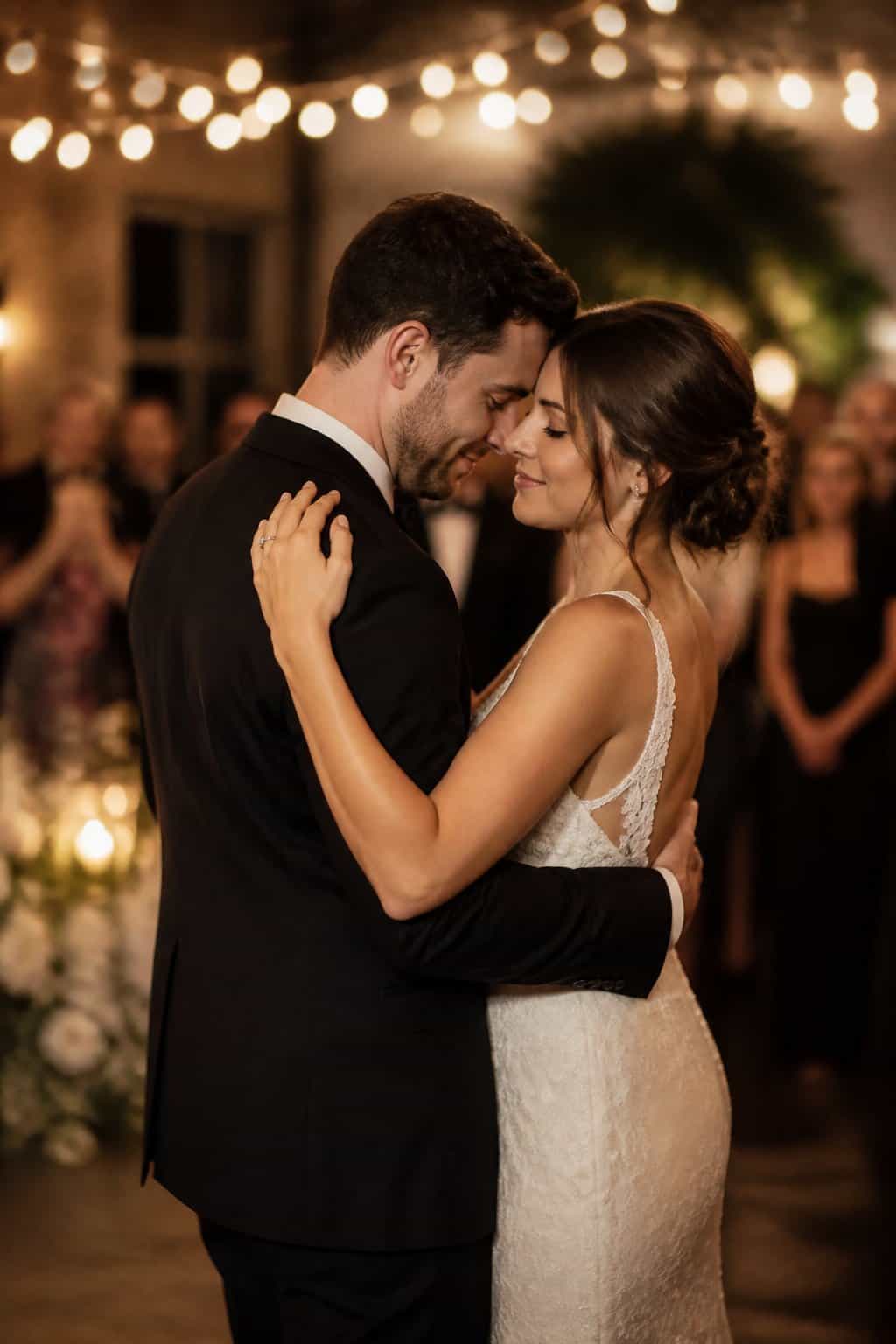
I remember a second dance where the overhead lights were low and a string of someone’s grandmother’s pearls caught the light as she laughed. That small sparkle, the quick exhale at the chorus, and the way two people loosened their shoulders told me more about connection than any choreographed first dance ever could.
Partners as Witnesses, Not Just Dancers
I watch couples trade nervous glances and then relax into each other during the second song. The crowd has softened; parents lean in with drinks half-forgotten. In that quieter room, a partner becomes a witness: they nod at a lyric, squeeze a hand at a private joke, or mirror a breath. I feel the shift when I see eyes meet and stay met—no performance, just acknowledgment.
That witnessing looks like small, honest gestures. A thumb tracing a knuckle, a forehead resting briefly on a shoulder, a laugh that arrives mid-step. Those actions register for the whole room. They show that two people notice each other’s small truths, not just their wedding-day roles.
Letting Go of Perfection for Presence
I once watched a couple trade missteps and turn them into a new move, laughing into the gap. That choice to keep going matters more than flawless timing. The second dance rewards presence: imperfect steps, wet eyes, and a lyric mouthed off-key feel real. I hear it in the room—the clink of a glass, a chair scraped back, someone whispering a line from the song—and those sounds make the moment tactile.
Letting go means surrendering the script and answering what’s actually happening between you. I notice when breathing slows, shoulders drop, and a hand finds its partner’s back without thinking. Those small, lived details translate into a deeper memory than any rehearsed routine could.