
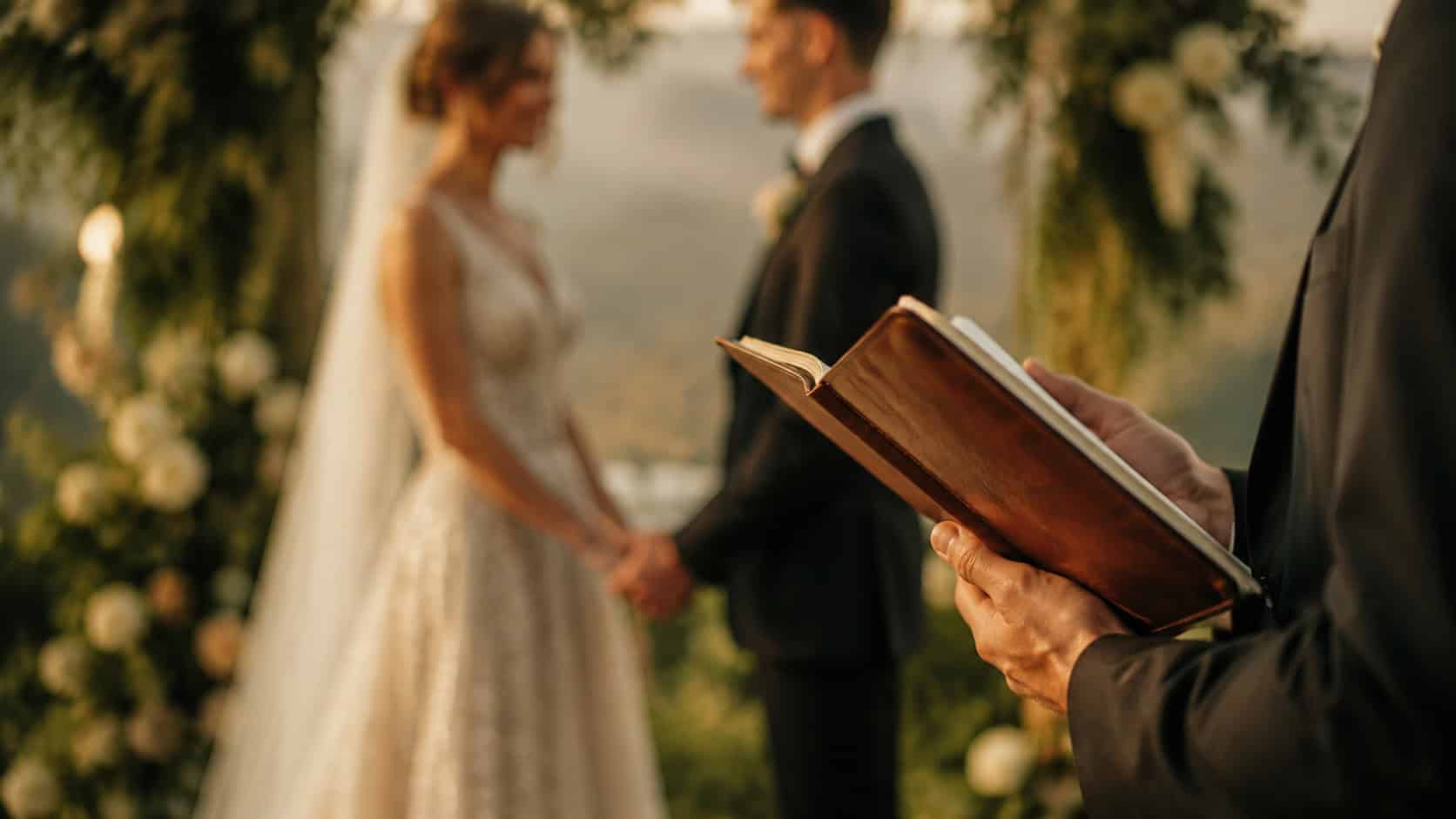
Arguably, the ceremony is the most important part of a wedding. It's two people making that lifelong commitment to each other. How the ceremony goes also has a huge impact on the rest of the day and influences how your guests will remember your big day.
The stakes couldn't be higher, and most couples I've spoken to worry that their ceremony could end up feeling generic. What I'm about to say might surprise you: what makes or breaks a ceremony isn't the vows or the flowers, but one often overlooked conversation that can ultimately make or break your big day.
The Question You Need to Ask
A lot of couples I've spoken to assume the big emotional "I do" moment happens naturally as they stand before the officiant. That's not the case. What truly separates a meaningful ceremony from a generic one is a simple conversation you should have during your wedding rehearsal. Because most rehearsals are so rushed, the idea of emotional pacing is rarely discussed. So I recommend you write it down and make sure to bring it up with your officiant.
Arguably, one of the most important questions you need to ask is where to build a quick 5- to 10-second pause. By pause, I mean an agreed-upon beat, a short 5 to 10 seconds of choreographed stillness. You want to bring this up because moments of silence don't come naturally to officiants, as most of them want to avoid any empty space in the ceremony. The ask reframes the ceremony from performance to presence, shifting the couple's roles from participants to actual witnesses to their own moment.

Win a Free All-Inclusive Honeymoon
Imagine starting your marriage with a free getaway to the Caribbean. Enter this Sandals sweepstakes for your shot at 4 days of all-inclusive luxury—fine dining, turquoise water, and zero stress. Takes 2 minutes to enter.
“Where exactly are we building in a pause just for the two of us to breathe and take it in?”
Why This Deliberate Pause Matters
One deliberate pause can prevent the ceremony from feeling rushed. It also gives the couple a quick opportunity to anchor themselves in the moment and feel more present before exchanging vows. Without a short breather scheduled in, your vows can come across as a recitation rather than the felt commitment they are.
The pause will also give you a moment to take in the crowd, take a quick, deep breath, and look at each other, which is a well-known anxiety-regulation technique. Because weddings are so high-pressure, the pause serves as explicit permission to slow down and remember where you are and what you're doing.
How to Talk to Your Officiant
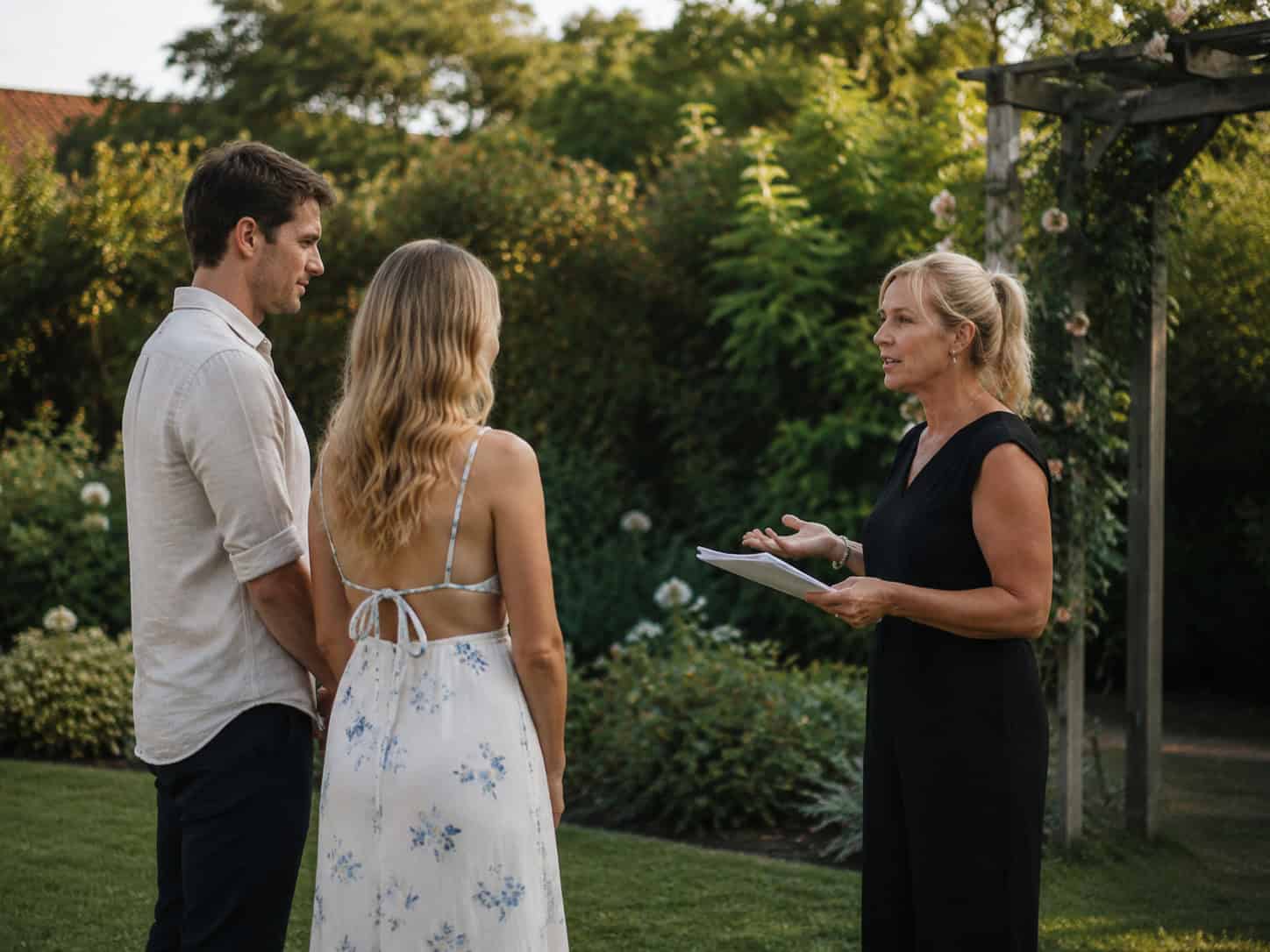
Don't be shy about talking to your officiant about implementing a pause. Professionals are used to receiving pacing notes, whether in the form of a marked script or a margin note. It's standard practice within the industry.
Free Wedding Planning Checklist
Stay organized from engagement to "I do" — get our comprehensive checklist covering every task, deadline, and detail.
It also benefits first-time officiants in particular, because many of them experience some stage fright and will want to avoid dead air. But when you simply reframe the pause as intentional and powerful, it can help ease their anxiety. Remember that 10 to 15 seconds can feel like a long time when you're on stage in front of tens, potentially hundreds, of people. So advise your officiant to count to five slowly in their head before continuing the ceremony.
Ideally, you place the pause after the opening remarks and just before the vows. It's the moment when the crowd is settled, and the emotional stakes hit their peak.
The Rehearsal Walkthrough Checklist
When you note the topics to bring up at wedding rehearsals, be mindful that first-time officiants, in particular, will need explicit cues. Don't just assume that they know how to pace the ceremony. For instance, one of the most common mishaps is when the officiant forgets to step out of frame, or is never asked to, after they say "you may kiss the bride" (a frustration most wedding photographers are painfully aware of).
For recessional music cues, make sure you come up with a clear, pre-arranged signal, something like a nod or a hand gesture, to help prevent wrong timing or any awkward silences. Even something as minor as the bouquet handoff can turn into an unwelcome distraction if there's any fumbling mid-vows. That's why having a subtle, rehearsed cue makes all the difference.
The pause-to-breathe cue has an enormous impact on the ceremony's emotional pacing. Many couples who didn't pre-plan the pause described their ceremony as a "one big blur."
Grounding Questions for Your Officiant
- The Pause: Where exactly are we building in a moment of silence just for us to breathe and take it in?
- The Hands: How will you subtly cue us to hand off the bouquet and join hands?
- The Guests: At what specific moment during the ceremony should we turn to face our family and friends?
- The Kiss: How will you step out of the frame right before our first kiss so our photographer has a clear shot?
- The Exit: What is the exact signal that the ceremony has concluded and the recessional music should begin?
Protecting the Romance of the Moment
A lot of couples focus their wedding rehearsal on movements alone, forgetting to plan for the little details, especially if you're on the eve of a high emotional event, which a wedding most certainly is. But planning the little logistical details before the main event can free up some of that mental bandwidth and help you stay present at the altar.
Years from now, you're less likely to recall any specific details related to the vendors or even the reception. However, you will remember every second of your ceremony.
That's why it's so important to plan everything around it. But try not to fall into the over-rehearsal trap, because that can make your ceremony feel mechanical. The goal is confident looseness, not rigidity.