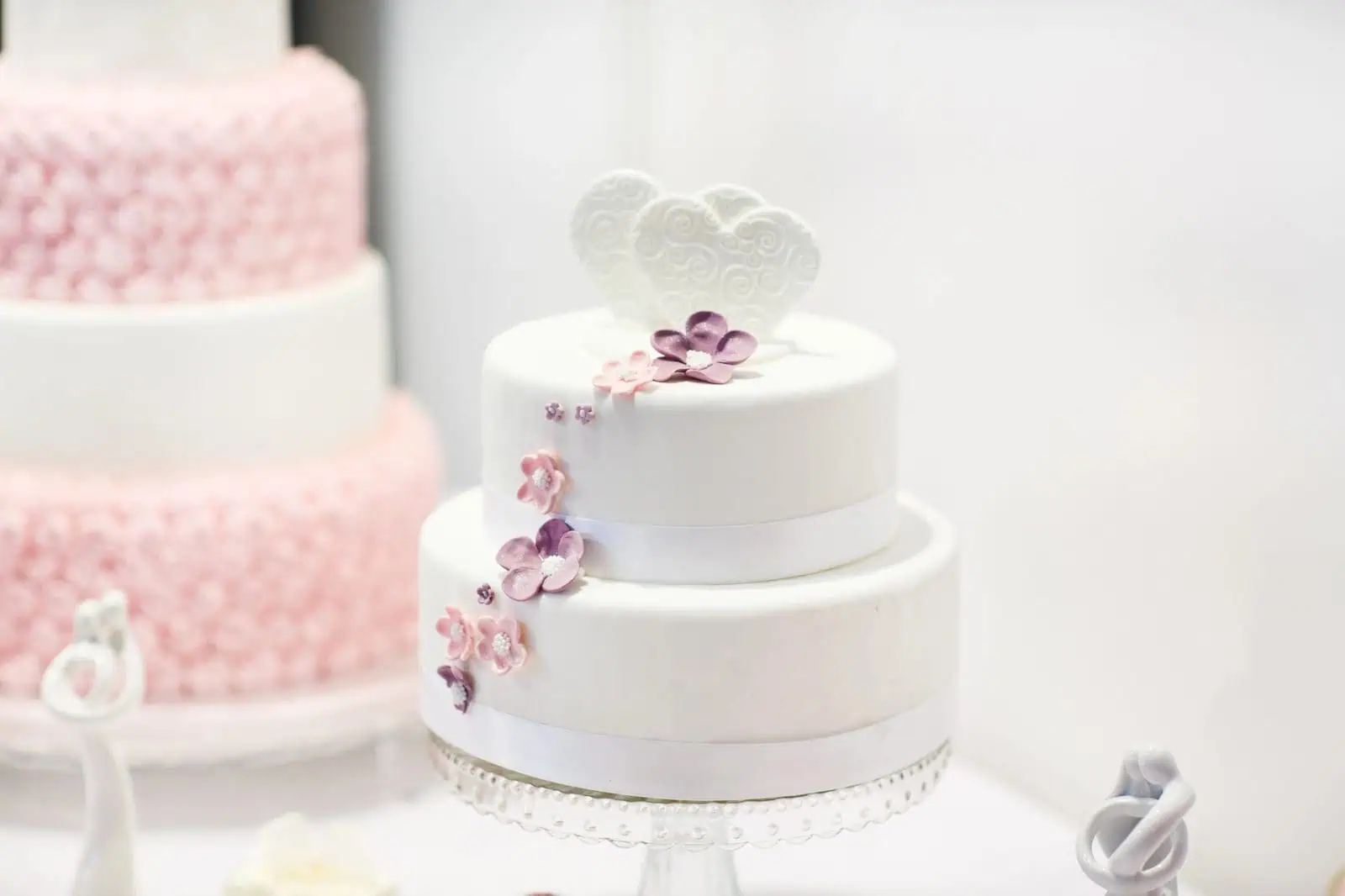
The wedding cake is always a popular feature and is a special expression of the wedding couple's style and personality. Something going wrong with their cake many couples dread. It can be tempting to place your order with a baker who is cheaper than the others, or to try making it yourself.

Sandals Will Throw Your Wedding for Free
Stay 7 nights in a Club or Butler suite and Sandals covers the wedding: a personal planner, the ceremony, a private cocktail reception, a two-tier cake, your bouquet and boutonniere, plus $200 toward photos and $200 toward video. No venue hunt, no vendor juggling.
It is essential that the following guidelines are adhered to so that your beautiful cake does not start to slide or topple.
Learn the techniques we explain here and check that your chosen baker follows them. Read plenty of customer reviews before placing your order. This will ensure that your wedding cake will be remembered by your guests, for all the right reasons!
| Support Method | Estimated Material Cost | Structural Reliability |
|---|---|---|
| Bubble Tea Straws | $2.00 to $3.00 | Low (Prone to buckling under heavy weight) |
| Wooden Dowels | $5.00 to $7.00 | Medium (Good for individual tiers, but tiers can still slide) |
| Central Dowel System | $8.00 to $12.00 | High (Locks all tiers together into the base board) |
| Single Plate System | $25.00 to $40.00 | Very High (Professional grade, often requires a deposit) |
1. The Baker Skipped the Central Dowel (The Ultimate Fix)
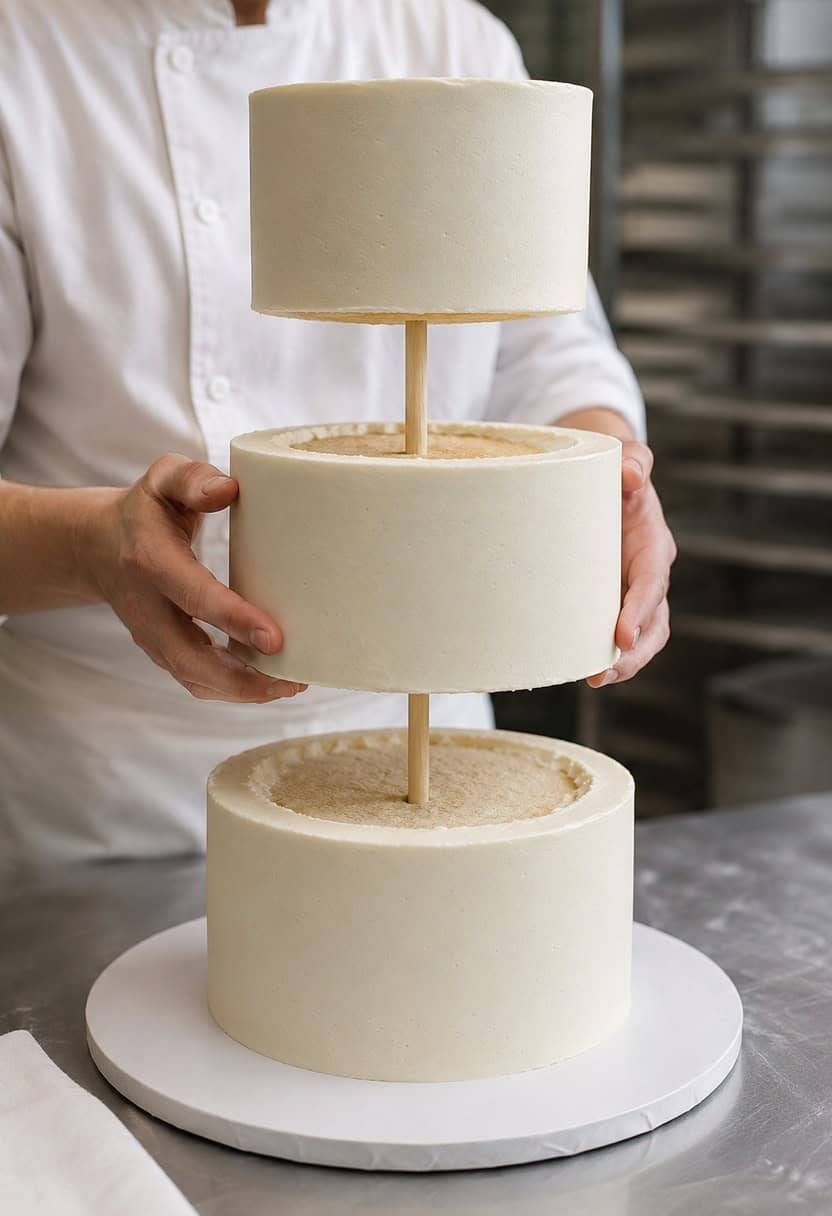
The central dowel is a strong wooden or plastic rod that is pushed down through all the cake layers and securely fixed to the bottom cake board. It is essential for keeping the wedding cake rigid.
Some bakers do try to get away with not using one as it takes time and money, but you need to confirm with them that they do use this method if you are planning a cake with more than two tiers.
Some bakers use several smaller dowels instead of a central one, and this is fine as long as the dowels are cut to exactly the same length; otherwise, they could cause the cake to tilt. The dowels also need to be evenly distributed around the cake so that the tiers are securely held in place.

DaTpuik White Plastic Cake Dowel Rods 15pcs
Check Price2. They Relied on Flimsy Bubble Tea Straws
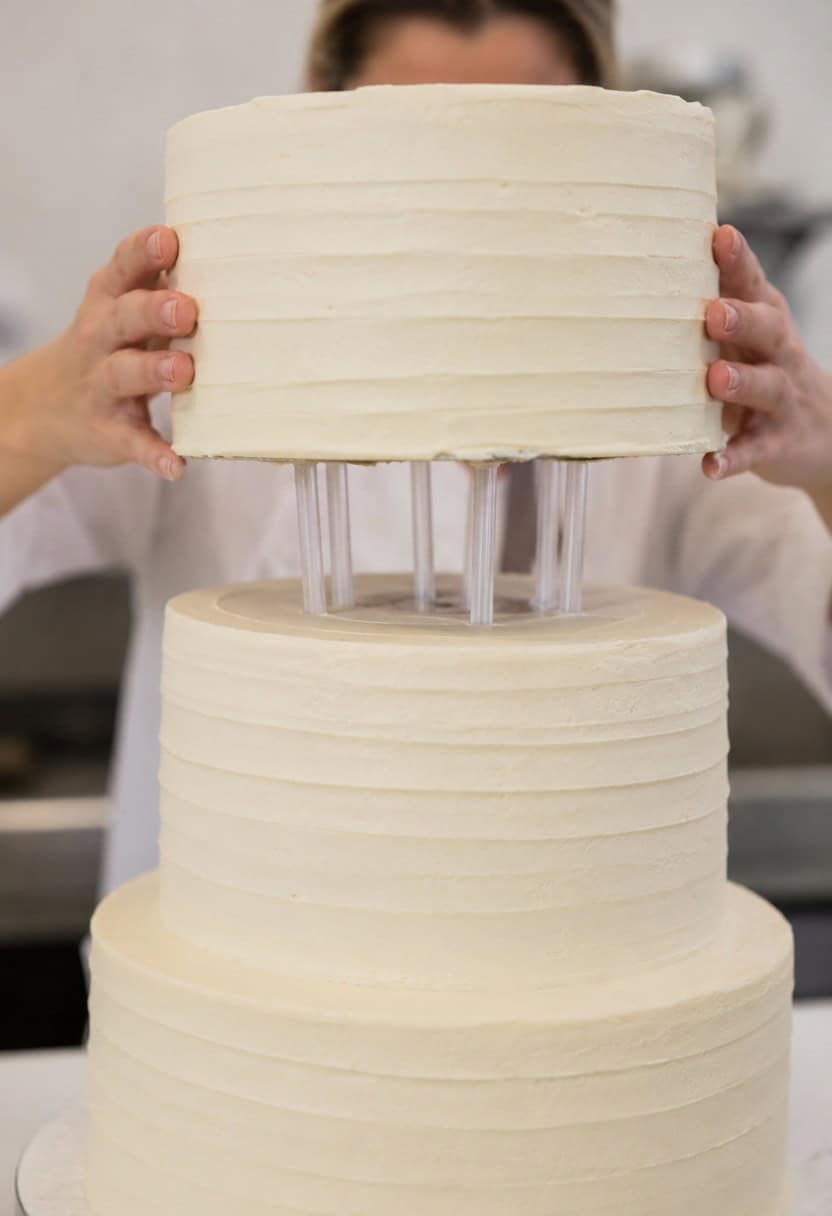
It is important that your baker uses substantial internal support, such as a robust solid wood or plastic dowel(s), as the wedding cake, when assembled, can be quite heavy to support. Choosing flimsy alternatives such as bubble tea straws is false economy, as they will easily buckle under the weight of a sizeable wedding cake.

YINCL Plastic Cake Dowels 50-Pack
Check Price3. The Cake Board Was Cardboard Instead of Foam Core
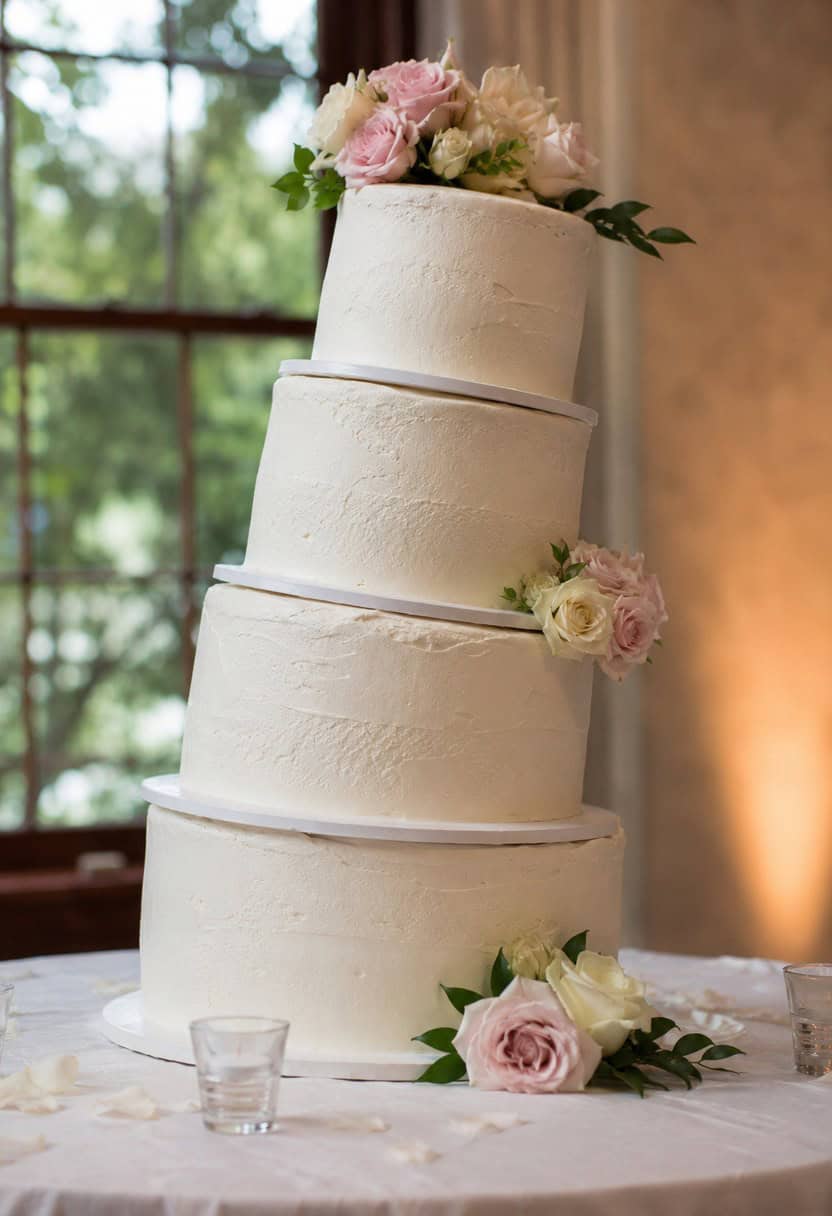
Every cake layer sits on its own cake board, but each layer needs to be perfectly flat. Before you place them on their boards, check that none of the layers are domed. If they are, carefully slice off the dome to make the cake flat.
Although they are more expensive, there is a good reason why foam cake boards are the best to use. Cardboard cake boards absorb moisture from the cake, and this can cause them to bend under pressure, whereas foam cake boards will stay rigid throughout.
4. You Chose a Soft Filling for a Summer Wedding
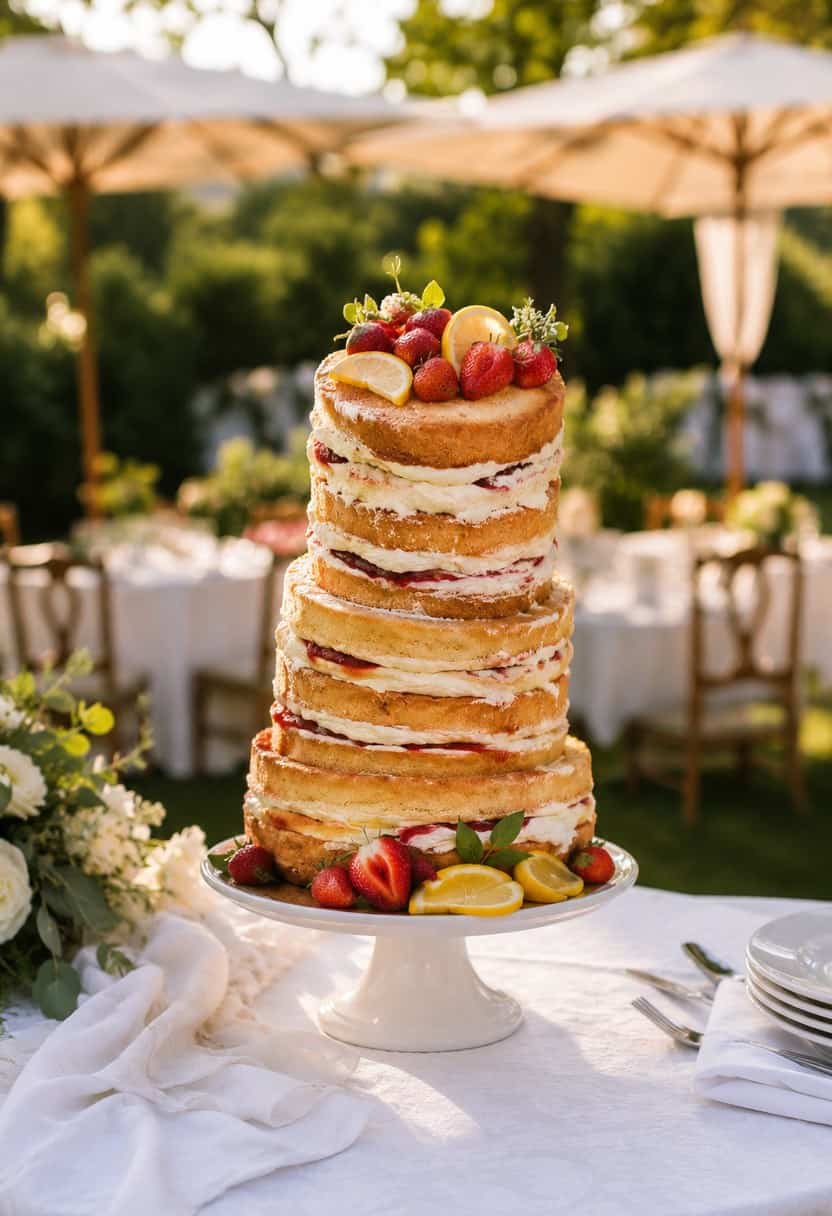
It is hard to resist a delicious summery filling such as fresh lemon curd or strawberry compote, but they do not work well as wedding cake fillings, as they are naturally just too slippery. Coupled with warmer summer temperatures, they soon heat up and will begin to slip and slide.
It is far better to use buttercream or a firm ganache. The saying 'a little is more' is definitely true, as too much of these fillings can cause problems too. Use a thicker buttercream or a thicker ganache, as these will help support the cake even in warm temperatures.
5. The Cake Was Transported Fully Stacked
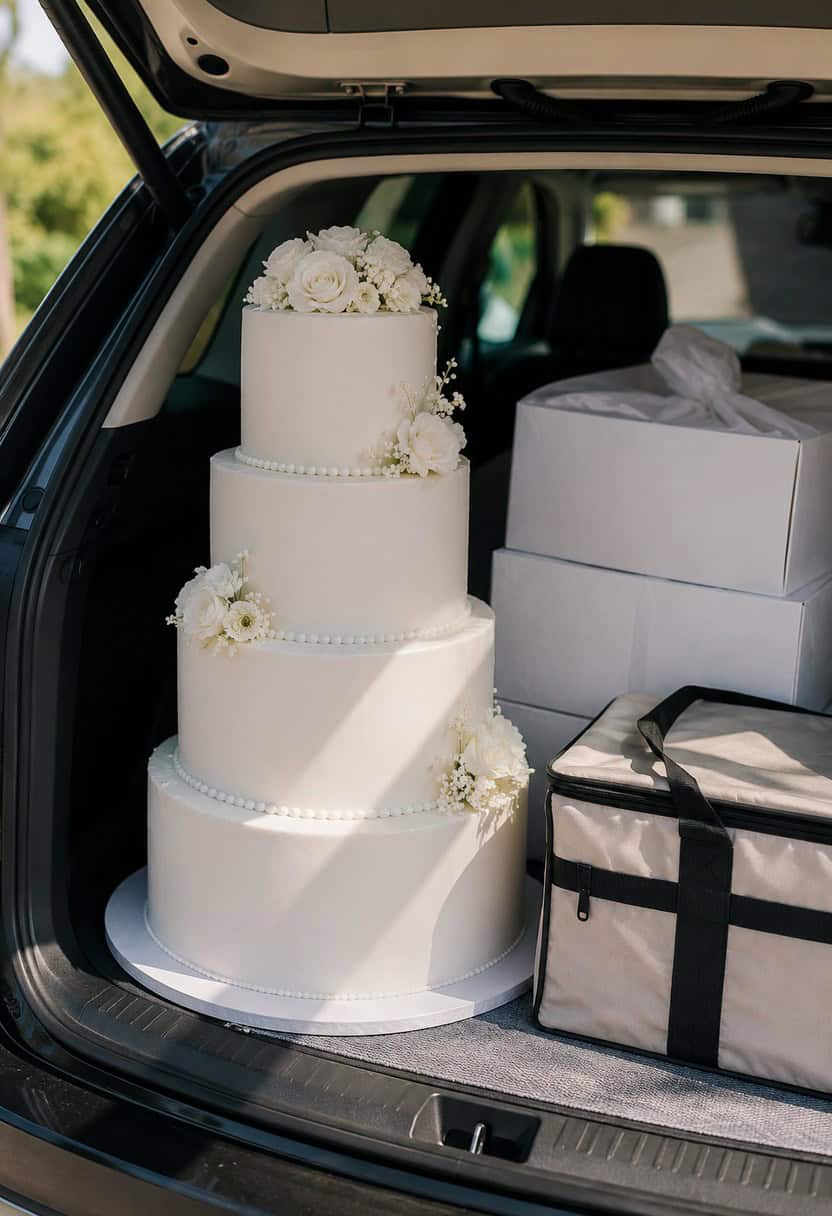
Transporting a wedding cake requires patience and care. Delivery fees can be expensive, and because of this, some bakers try to save time by transporting the cake ready-assembled. This is an absolute "no," as every bump in the road will weaken the internal structure of the cake, which comprises wooden dowels.
Free Wedding Planning Checklist
Stay organized from engagement to "I do" — get our comprehensive checklist covering every task, deadline, and detail.
A bump in the road can easily cause the dowels to be pushed off center.
It is really important that each layer of the cake is placed in an individual box and that the tiers are assembled once the cake is in the venue.
6. The Display Table Has a Hidden Wobble
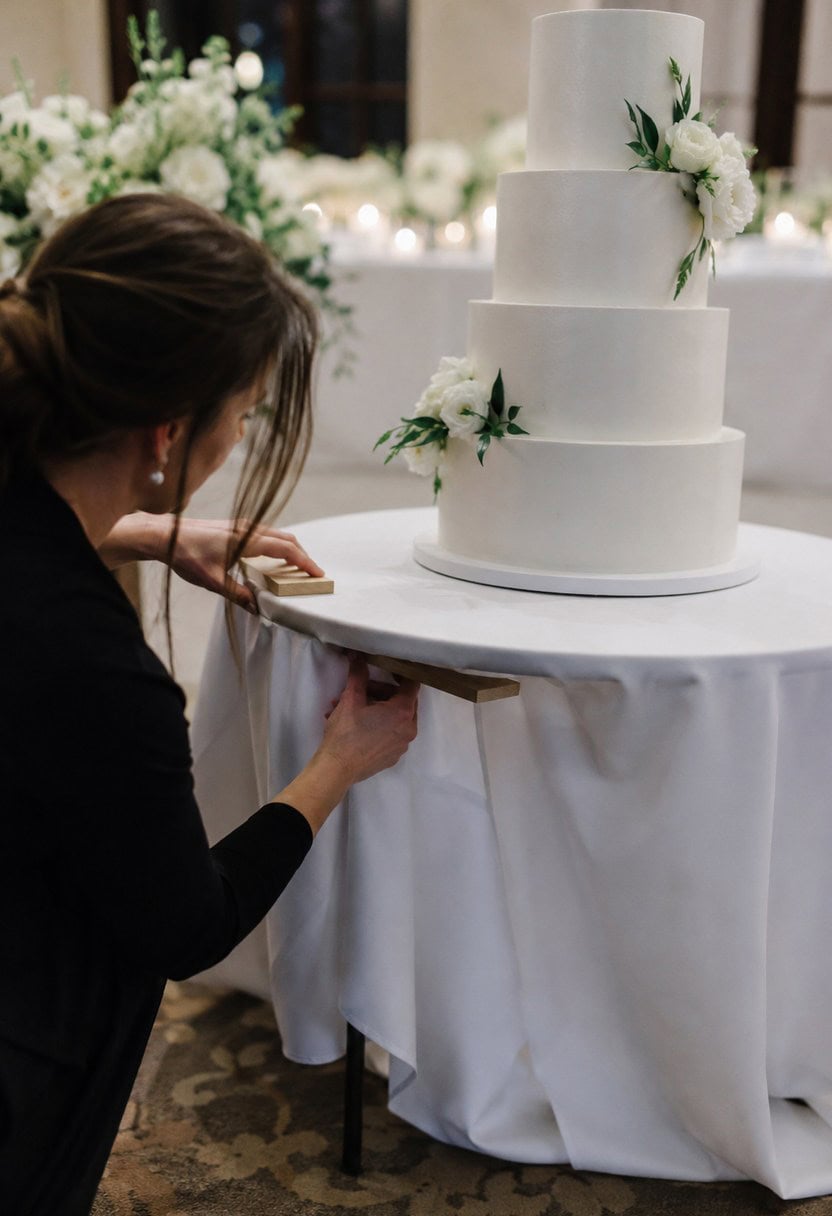
Before the wedding cake is assembled on the display table, it is really important to spend a moment or two checking that the table is firm and steady and that its legs are as well. A small bubble level will quickly confirm that the table top is perfectly level too.
7. The Sponge Was Drenched in Too Much Simple Syrup
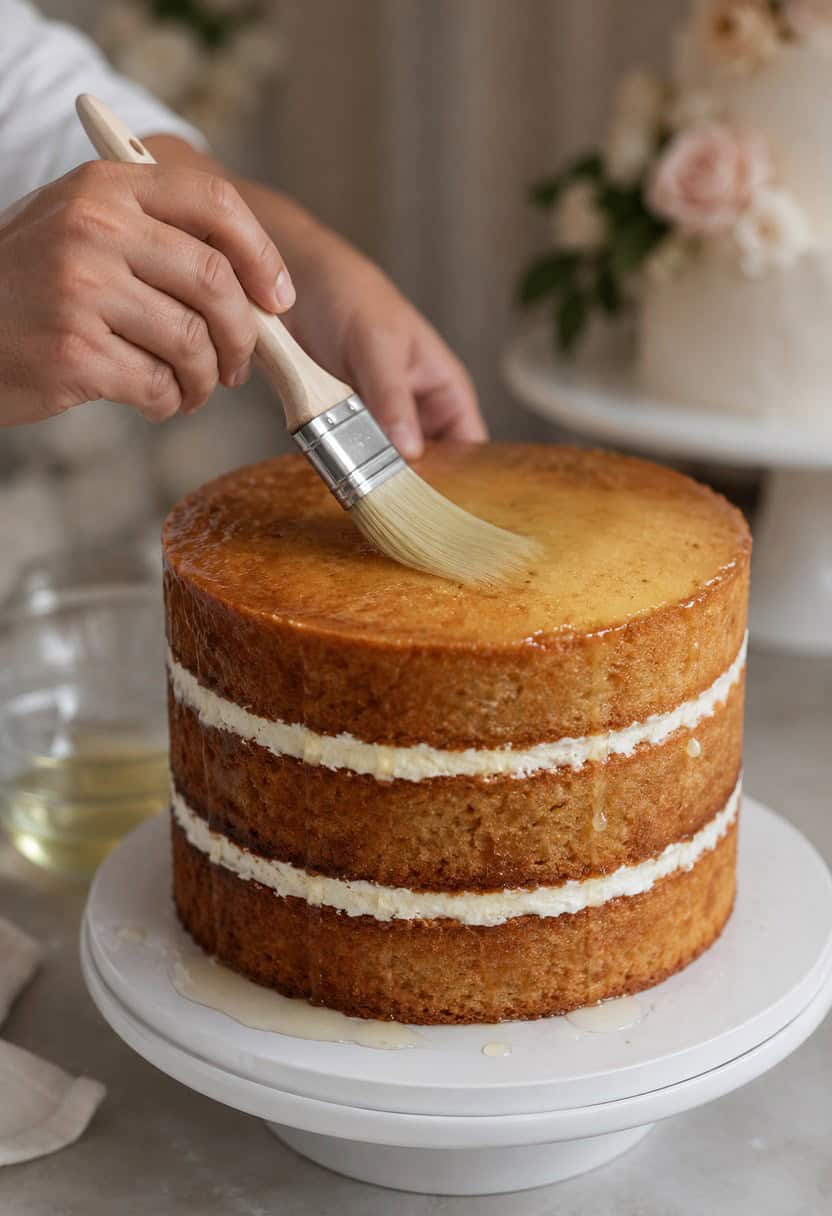
A little is more also applies to syrup. Many bakers brush their sponges with syrup to keep them moist, but this must be done really lightly, with just the finest film of syrup being applied. Otherwise, the cake becomes soaked.
When this happens, the cake is compressed under its own weight, and this causes all the tiers to start shifting and tilting.
8. Heavy Fondant Was Placed on a Delicate Chiffon Cake
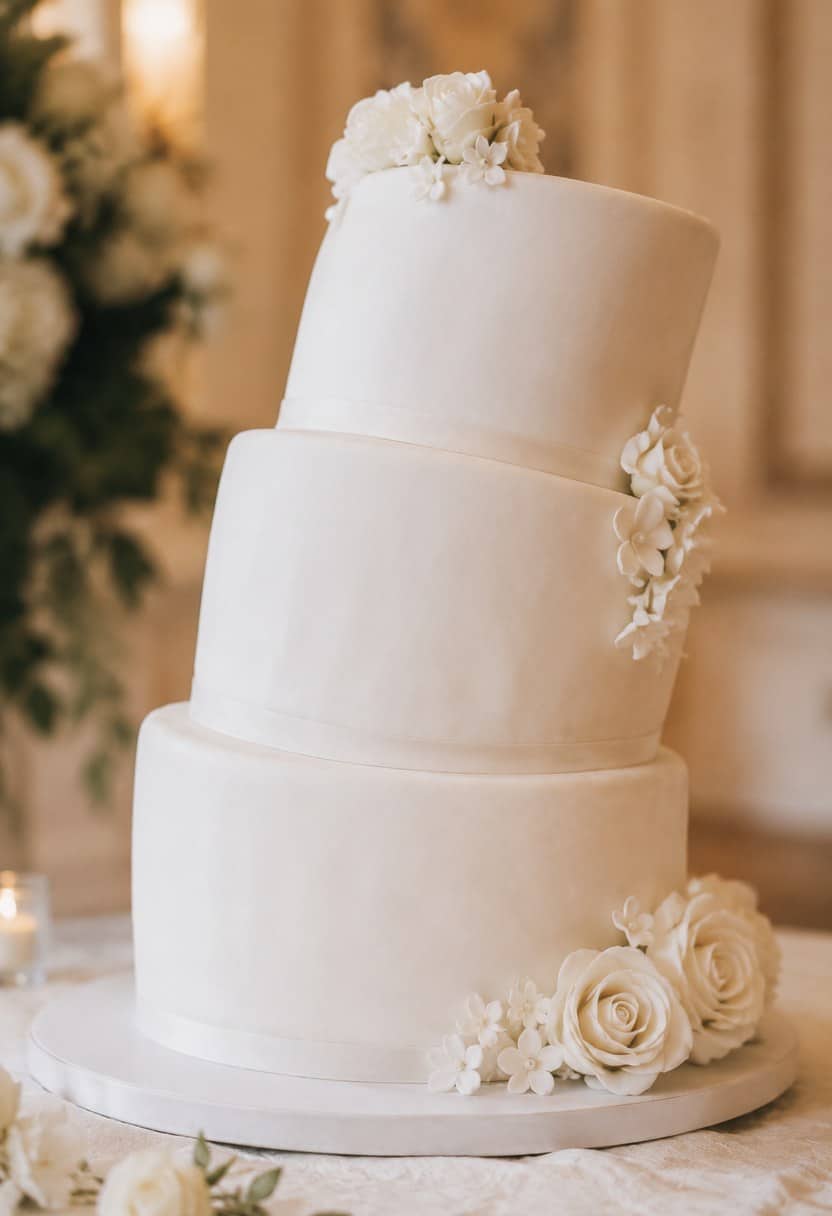
A cake covered in fondant icing looks flawless, but this type of icing is also very heavy. Whilst fondant icing works well with fruit cakes, dense pound cakes, or sturdy butter cakes, it is too heavy for a delicate sponge, chiffon, or angel cake, and the result is that the layer of icing will crush the cake underneath.
It is also important to consider the weight of your chosen cake decorations. Are you planning to use a heavy floral display or thick wires? Both of these can make the cake unsteady.
9. The Baker Skipped the Final Chill
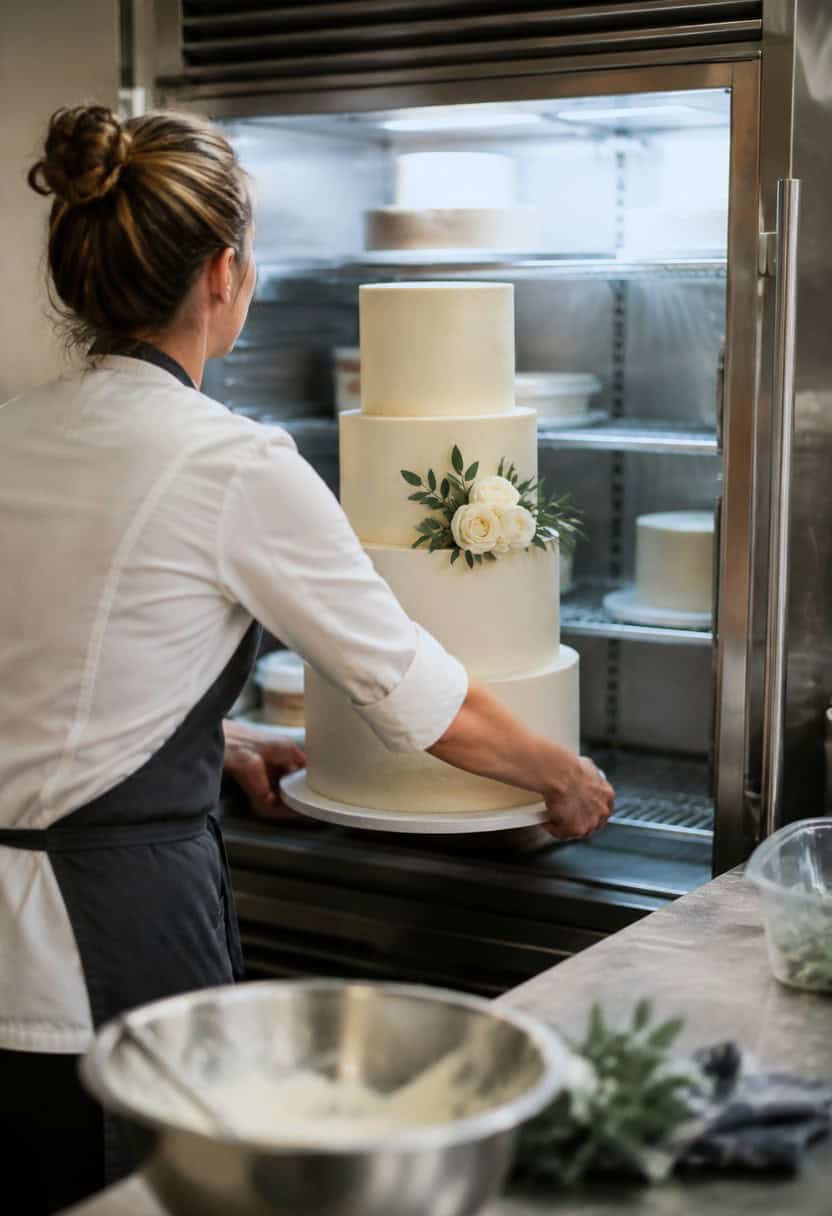
Once the cake layers have been iced, the wedding cake should be chilled in a refrigerator for several hours. This ensures that the buttercream sets and that each layer of the cake is perfectly stable – if this process is rushed or ignored, the cake will already be at room temperature and could become unstable and prone to tilting.
10. The Tiers Were Not Properly Leveled Before Stacking
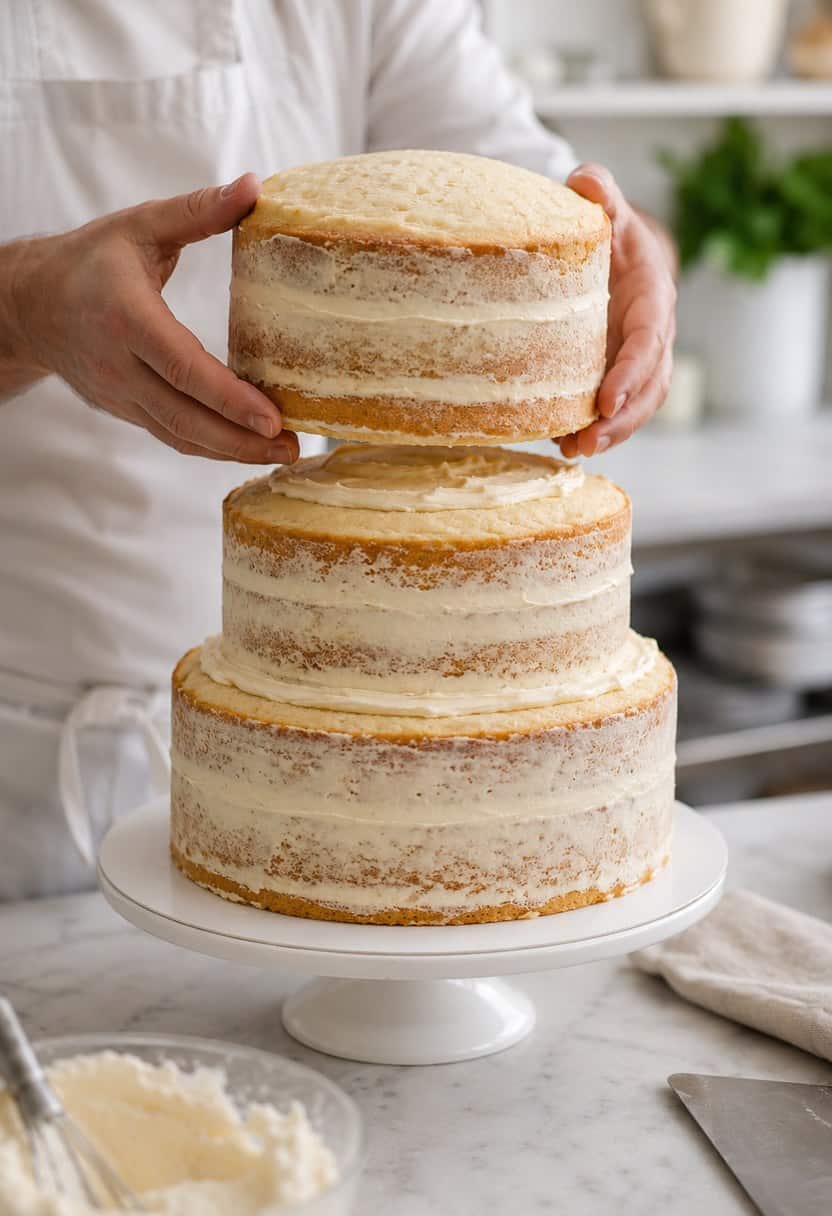
As we mentioned earlier, it is important to spend time ensuring that each cake layer is perfectly flat. The domed top of each layer needs to be carefully removed with a large, sharp knife. Once this has been done, the cakes can be carefully filled.
Afterward, cover each cake layer with a small plate for a while, as the weight of the plate helps dispel any trapped air in the cake.
If the baker tries to level the cake layers by applying extra buttercream, this will not work, and when the cake gets warm, it will become very unstable.
11. You Placed the Cake in Direct Sunlight to Save on Tent Costs
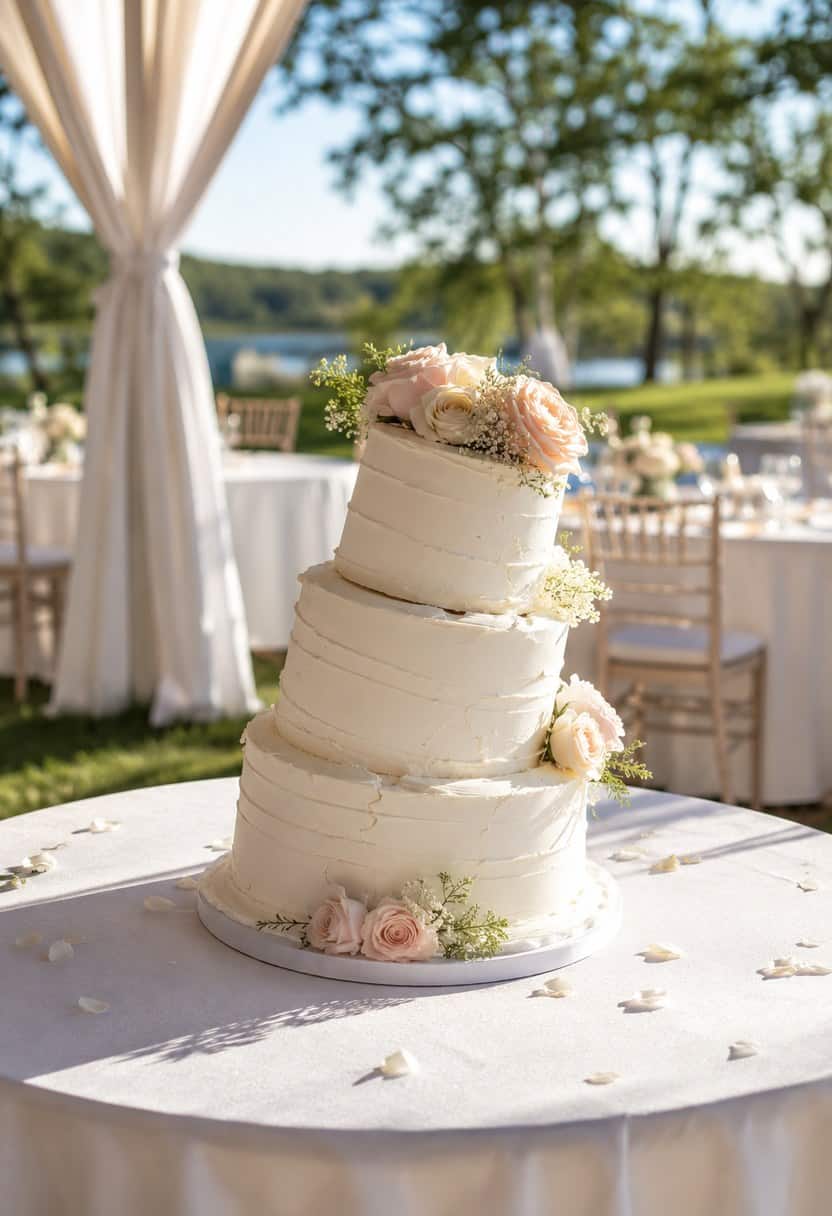
Even if you are planning a summer wedding outside, don't be tempted to display your wedding cake anywhere warm, as the layers will start to slip and slide. It is far better to keep the cake on display inside, somewhere cooler. Likewise, if you are planning a winter wedding, make sure that the table for displaying your wedding cake is nowhere near a heat source, as the same problems will occur.
If you follow our guidelines, there should be no reason why your cake will look anything less than beautiful throughout your wedding celebrations.