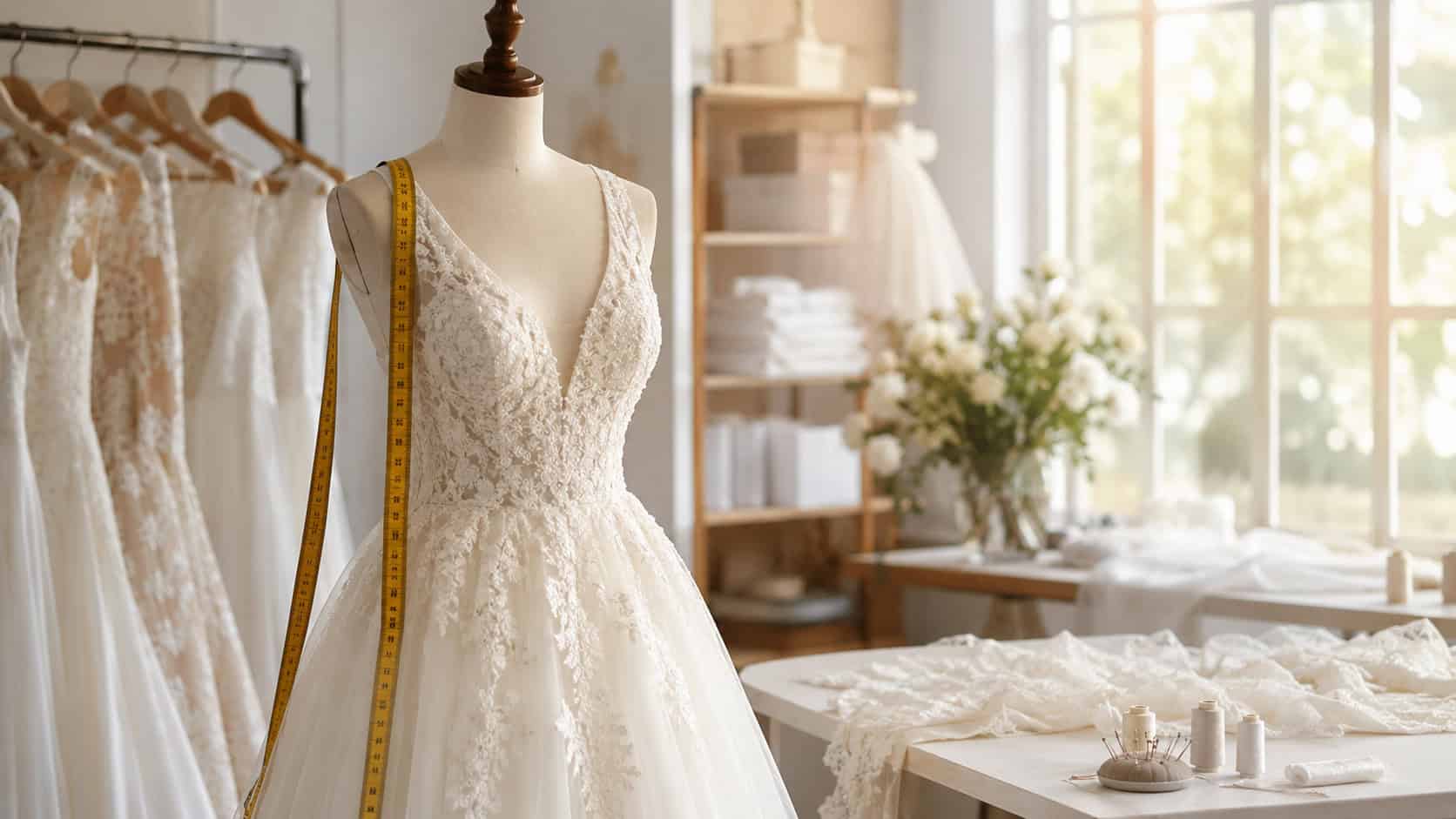
As someone who's planned hundreds of weddings, there's one pattern I've noticed among brides planning either a late summer or a fall wedding. And that is waiting too long to get the dress altered. Trust me, June 1st is the date you want to mark on your calendar.

Sandals Will Throw Your Wedding for Free
Stay 7 nights in a Club or Butler suite and Sandals covers the wedding: a personal planner, the ceremony, a private cocktail reception, a two-tier cake, your bouquet and boutonniere, plus $200 toward photos and $200 toward video. No venue hunt, no vendor juggling.
Brides, for various reasons, tend to avoid booking the dress alteration, which leads to costly rush fees. What I like to call the June crunch.
The June 1 Math
Most weddings happen in August, September, and some even in October. Waiting too long to start the dress alteration process means you risk your preferred seamstress either rejecting you or charging a rush fee by mid-June.
A standard alteration can take anywhere from 8 to 12 weeks, which is exactly why you should plan ahead. Ideally, if you have a September wedding, you want your dress completely finished by June 1st. That shouldn't be the date you call your first seamstress.
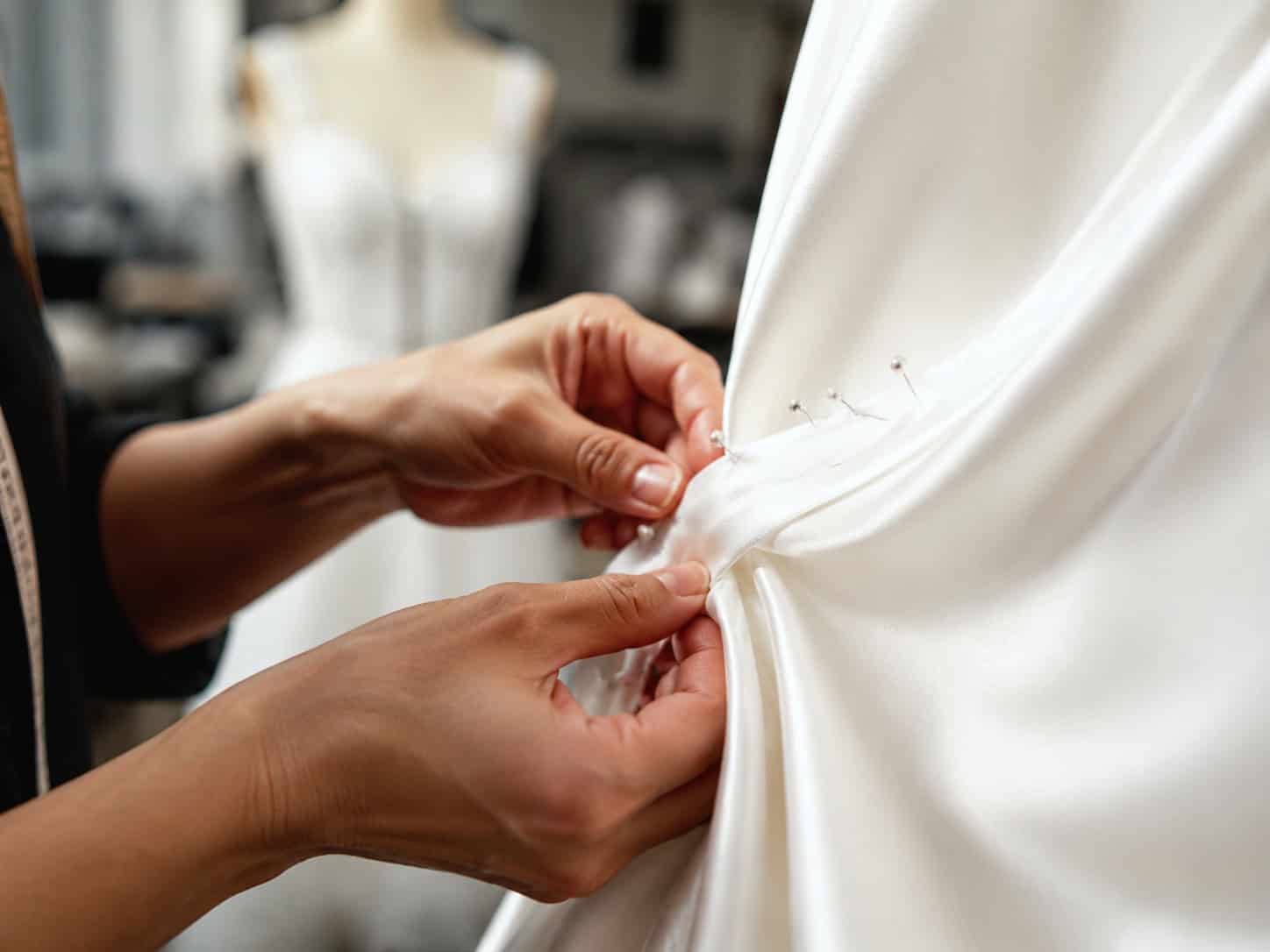
What Seamstresses Actually Dread
For late summer and fall brides, June is peak alteration season. Seamstresses find themselves working on several gowns at once, and any delays can completely mess up their entire schedule.
Your first fitting sets the structural baseline. Adjusting side seams or bodices later is harder than adjusting at an early fit. Some brides choose to delay alterations because they want to lose a few pounds first, but losing weight doesn't help if there's no time left to do the work properly.
Most alteration timelines need up to three months for a wedding gown, and if you rush structural work such as boning, seams, or bustle, you will end up spending more, and you risk mistakes on your dress for your big day. If you really want to start your alterations closer to the date, I would suggest booking the appointment early to make sure you get in with the same seamstress you want to work with.
Free Wedding Planning Checklist
Stay organized from engagement to "I do" — get our comprehensive checklist covering every task, deadline, and detail.
1. Delaying Appointments to Lose Weight
2. Forgetting the Exact Wedding Shoes
3. Bringing a Large Entourage
The Stress-Free Alterations Timeline
I cannot emphasize enough how important it is to book your seamstress early. Top tailors tend to fill up fast, and some of them are even booked more than six months out during busy seasons.
Generally, most brides have about three fittings. The first one is the most important, as that's when your seamstress will work on your body's restructuring, the hem pinning, and boning planning. For the second fitting, make sure you already have your bridal shoes to wear. The last thing you need is the hem length to be set without them.
Book your alterations about four months prior to the wedding, and schedule the fittings two to three weeks prior to the event, as that extra buffer allows for emergency alterations if needed before the final fitting.
| Timeline | Action Required |
|---|---|
| 3 to 4 Months Out | Research and book your seamstress. Schedule all three of your fitting appointments in advance to lock in your spot. |
| 8 to 10 Weeks Out | First fitting. The tailor will pin major structural changes, adjust the bodice, and set the hem length. |
| 4 to 6 Weeks Out | Second fitting. You will refine the fit, check the hem with your shoes, and test the bustle design. |
| 2 to 3 Weeks Out | Final fitting. Ensure the dress fits perfectly. Bring your maid of honor or planner to learn exactly how to tie or button the bustle. |
Your First Fitting Checklist
Your checklist for the first fitting should include as much as possible, as closely as possible, of what you will wear on the actual day. Meaning your exact shoes, the correct undergarments, and preferably even your veil and the jewelry you intend to wear.
Shoes are probably the most important part of fittings because even a half-inch heel difference can permanently throw off a hem length. The undergarments you wear can change the silhouette, so simply wearing the wrong bra at your fitting can mean needing to redo alterations.
I recommend wearing your hair up so the tailor can assess the neckline, back closures, and bustle attachments accurately. Having your veil or jewelry with you is not compulsory, but it can help confirm the overall look before the wedding.
First Fitting Packing List
- \[\] Your dress: Keep it in its protective garment bag.
- \[\] Exact wedding shoes: Mandatory for setting the hem.
- \[\] Specific undergarments: Bring the exact shapewear, sticky bra, or seamless underwear you will wear on the day.
- ☐ Hair tie or clip: Essential so the tailor can see the neckline and back of the dress clearly.
- ☐ If you want to see how the altered neckline looks, bring your veil or jewelry to test.

MISSLO 70-Inch Wedding Dress Garment Bag
Check PriceBeat the Rush
Wedding planning is stressful enough without having to rush around important dates, like your dress alterations. Start calling tailors early if you're having a late summer or fall wedding, since bridal salons book six months out. July through September brides are the busiest window, and so-called "alteration season" peaks between May and August, so those schedules fill up fast.
That's why you want to call ahead and make sure you get your space and time. Also, don't assume that just because you're buying your dress off the rack, you'll get a quick turnaround. Bridal alterations take a lot longer than you'd expect.