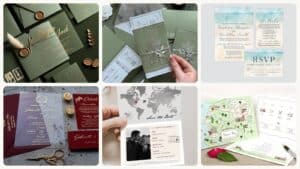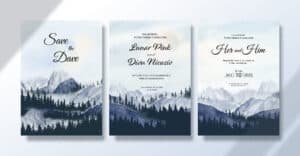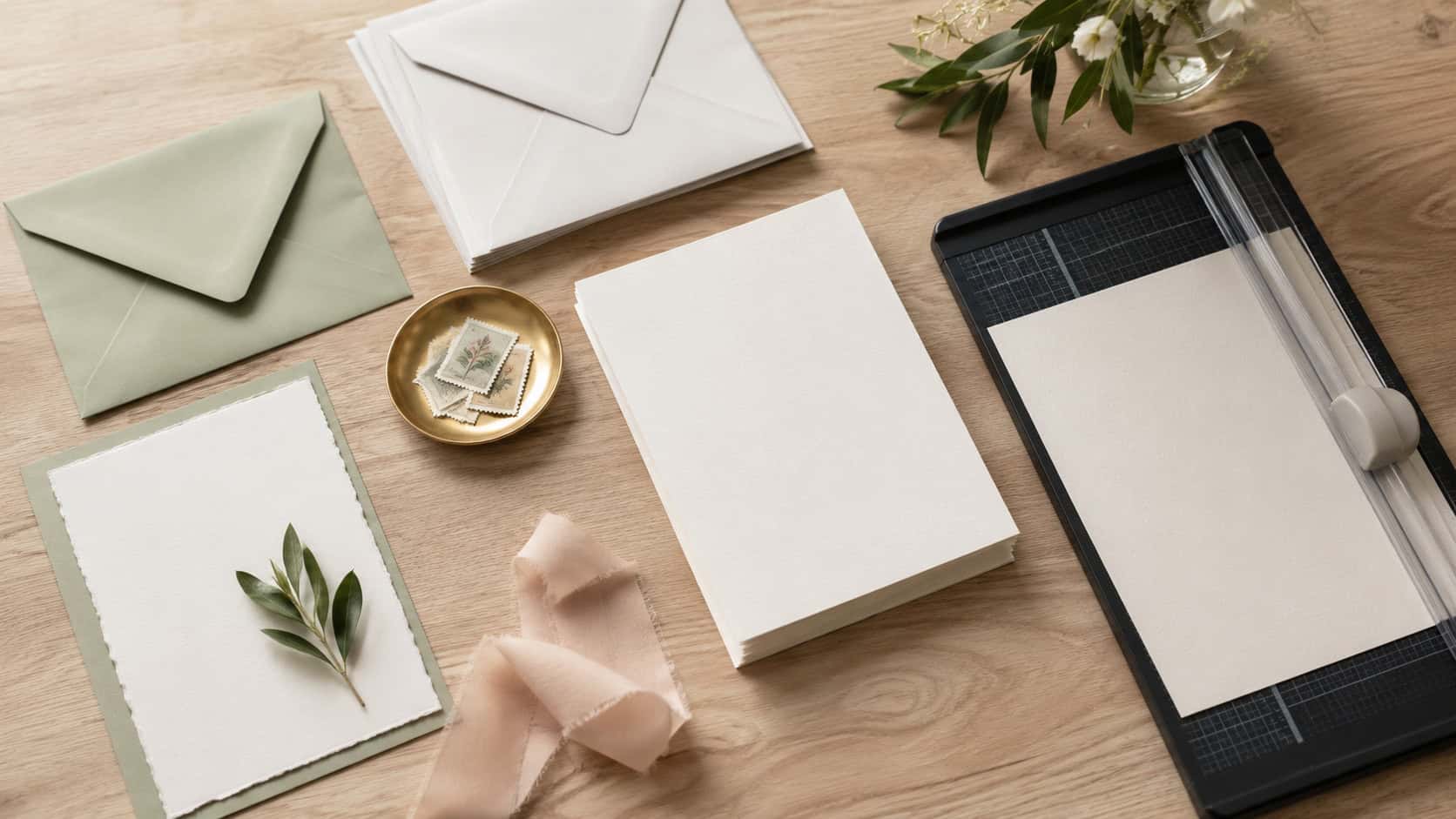
Planning my own wedding, I had a rather tight budget, and I wanted to do as much DIY as humanly possible to save a few pennies. I set my own limitations, and then I started printing, and that's where my genius plan stopped feeling so genius. Printing my pre-bought premium cardstock along with the beautiful template I downloaded would work out a lot more expensive than I would have wanted it to be. DIY wedding invites can actually become a cost-management nightmare when you consider all the other costs associated with them, beyond paper.

Sandals Will Throw Your Wedding for Free
Stay 7 nights in a Club or Butler suite and Sandals covers the wedding: a personal planner, the ceremony, a private cocktail reception, a two-tier cake, your bouquet and boutonniere, plus $200 toward photos and $200 toward video. No venue hunt, no vendor juggling.
The Fixed vs. Variable Cost Illusion
Let's be honest, DIY printing feels a lot cheaper. That's because you don't see the setup cost, especially if you're on a home printer. But when you're printing yourself, you're not just paying for the paper; you're also paying for the ink. Inkjet cartridges can print about 200 to 300 pages at normal coverage; however, if you're using heavy card stock with full-bleed designs, they do a lot less than that. You also might not be budgeting for mistakes, and when it comes to printing on card, you're looking at about 10-15% spoilage.
On the other hand, professional printers have a fixed setup cost for file prep and press calibration. That means the marginal cost for extra copies is near zero, which significantly lowers your per-unit price when you print in bulk.
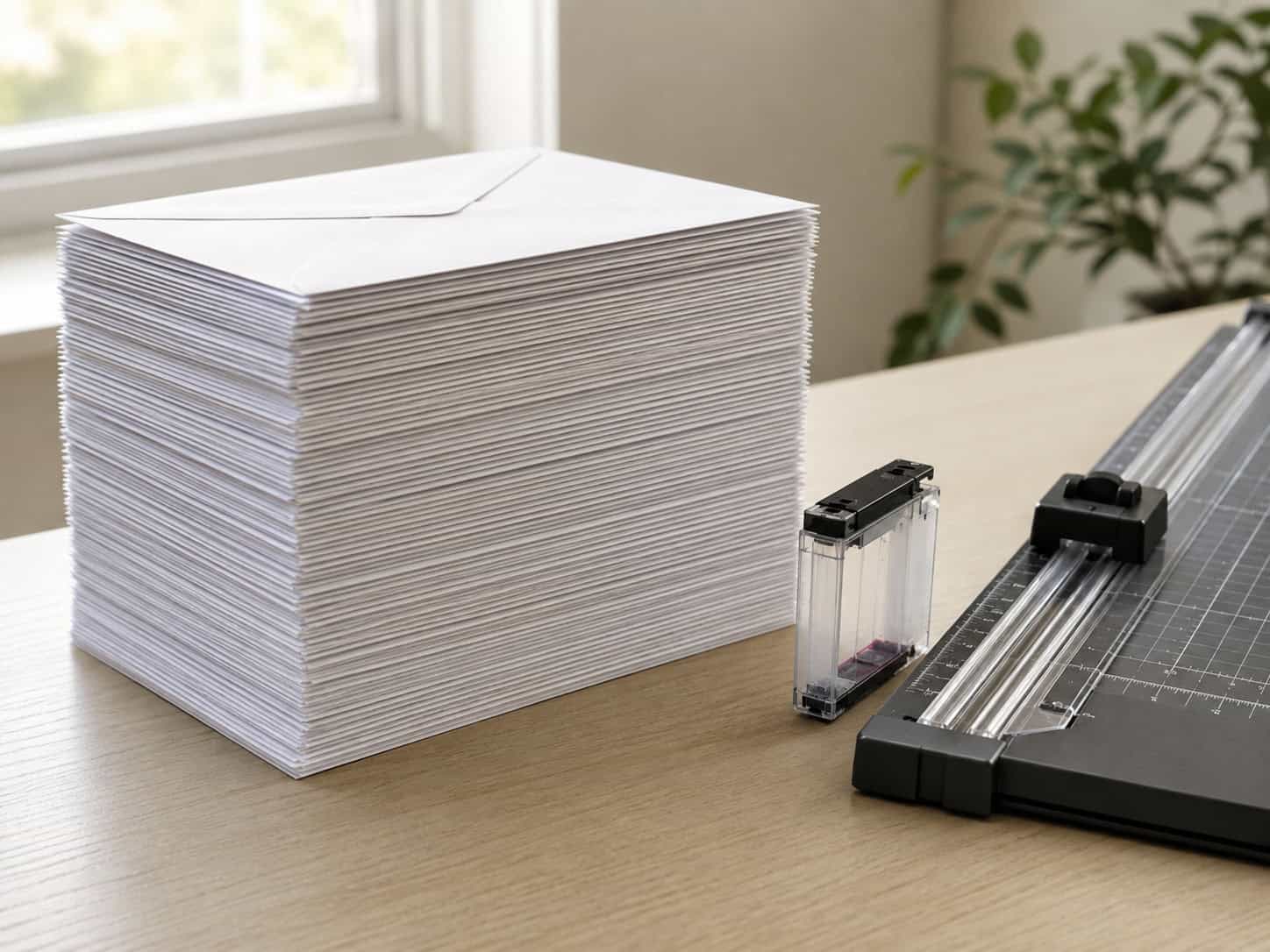

Ecraft 12x12 Inch Paper Trimmer Scoring Board
Check PriceThe Cost Curve Breakdown
That doesn't mean you should give up on your idea of printing at home altogether. If you are having a small wedding, you will save money by DIYing it. However, anything above 150 and you are better off getting them professionally printed.
The most expensive part of this whole endeavor is the ink, especially if you're using color cartridges, which can cost up to 30 each and yield fewer sheets than advertised, especially when you're using cardstock, which you will for your wedding invitations. Cardstock also tends to jam, so you will get quite a few misprints, and you should budget for about 10 to 15% waste.
The more invites you're doing, print-on-demand pricing will drop with scale. Many professional printers will offer bulk discounts if you're doing over 100 invites, which can narrow the gap even further.
| Envelope Count | Estimated DIY Cost | Estimated Pro Print Cost | The Verdict |
|---|---|---|---|
| 50 Envelopes | $65.00 | $110.00 | DIY Wins. Great savings for small weddings. |
| 100 Envelopes | $140.00 | $160.00 | Close Call. DIY is slightly cheaper, but requires effort. |
| 150 Envelopes | $225.00 | $195.00 | Pro Wins. Ink and mistake costs make DIY more expensive. |
The Sweat Equity Factor
DIY invitations may seem like they're saving you money, but they often hide hours of labor that may not be worth the dollar savings. Think of it this way: spending 20 hours printing out your own invitations also involves more than you'd expect. For instance, if you're inviting 150 guests, you're not just working on the invitation itself.
Free Wedding Planning Checklist
Stay organized from engagement to "I do" — get our comprehensive checklist covering every task, deadline, and detail.
Each envelope will involve multiple pieces, so you have to assemble the envelope, the RSVP card, and of course the details card. You might also be expected to send an RSVP envelope along with the whole package. Cutting, scoring, and folding alone can take about five minutes per suite, so you're looking at about 12 hours of work just to assemble the envelopes.
Your printer can also waste you time if it has any alignment failures, and if you end up wasting some of the paper stock from the failure errors we talked about earlier, you could be looking at spending about 20 hours just on putting together the DIY invitations.
Think of it this way: 20 hours is a part-time workweek, which you could instead spend on vendor negotiations, getting florist quotes, or even getting some rest before your big day. I've seen a lot of brides put together spreadsheets where they only focused on the material costs, but when you're organizing an event this big, your time should also be at the top of your priority list.
When to DIY and When to Outsource
DIY printing works great as a cost-saving measure if you're having a very small wedding- think less than 50 envelopes. If you're having more than 100 guests, consider a hybrid method, which simply means grabbing a digital template. You can find fully customizable designs on Etsy and similar platforms, then send them off to a professional printer.
You could also save some money by using an online print-on-demand service such as Canva Print or Vistaprint. But if you go with local print shops, the benefit is that they'll offer a faster turnaround, and it's easier to actually approve the design.
One Final Budget Secret
For fully formal weddings, or if your guest list skews a bit older, you'll still want a traditional physical RSVP card. But if that's not the case, you could save a good chunk of cash by skipping the physical cards altogether and simply implementing a QR code that leads to your wedding website. That means no card inserts, no extra envelopes, and most importantly, no additional return postage on cards.
Websites like Zola, The Knot, or Minted offer QR code RSVP tools, so your guests won't need to download any additional apps. Just be mindful that a portion of your guest list, especially older guests, may struggle with QR codes, so you should also have a phone or email backup method.