
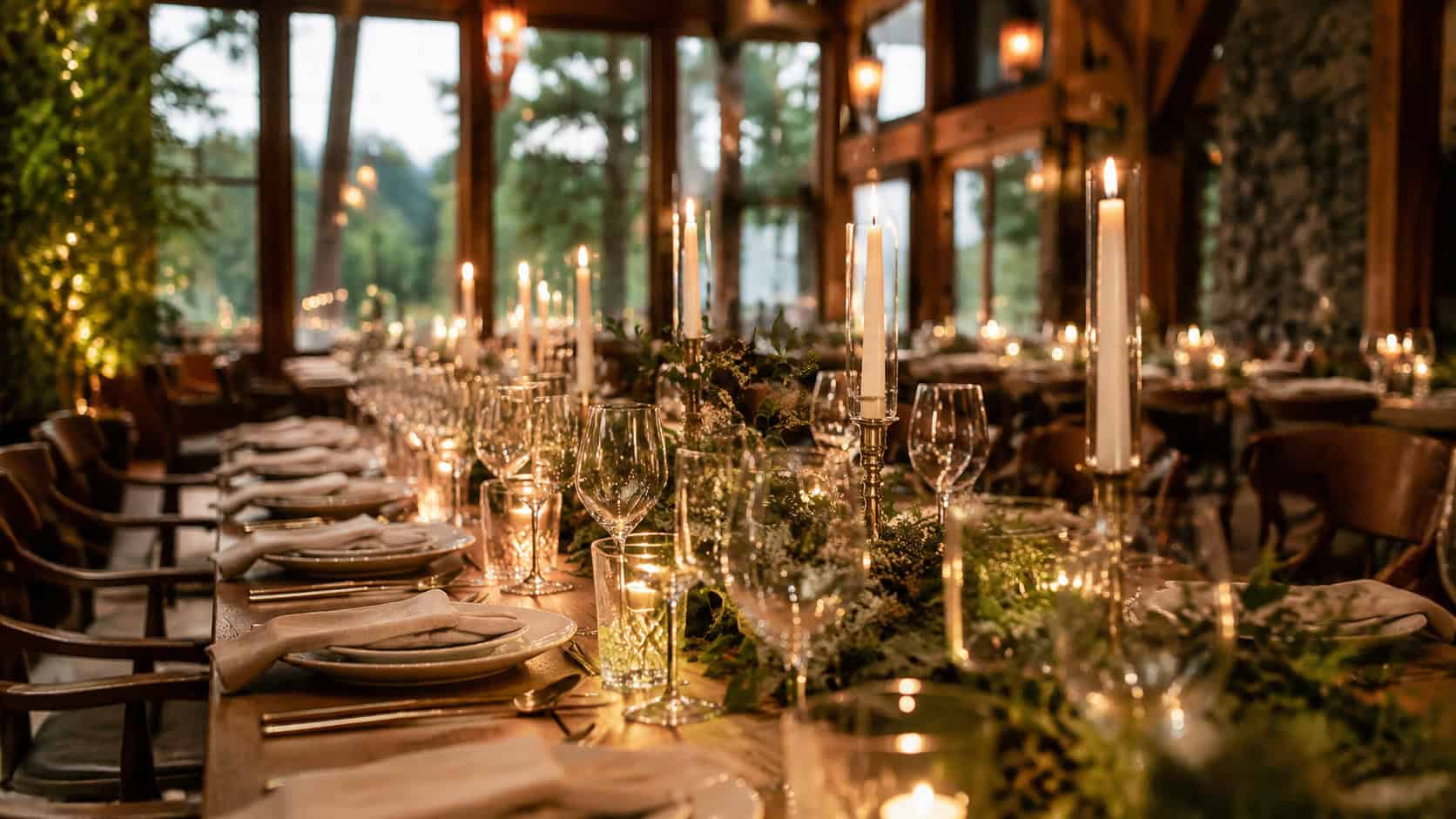
There is significance in the night before the wedding. It is the first time in a while that all attendees are getting together, and there is surely a mix of excitement, nerves, and the most important part: the bar is open! With the privilege of planning over 200 weddings in the PNW, I have seen these situations over and over. And in most cases, the rehearsal dinner is the first time one of the well-intentioned family members (like the groom’s dad) goes a little overboard.
This is a simple mistake that happens often. Guests who are traveling are likely to skip lunch, and when they get to the venue, they usually get a stiff drink, and that’s on an empty stomach. By the time the first course comes, the noise level in the room has doubled.
You can save the stress of having to monitor your guests’ drinking or setting strict drinking limits. Menu pacing can be helpful in controlling how quickly alcohol is consumed. By working to align the serving times of specific alcoholic beverages with meals that are heavier in carbs and protein, you can keep the crowd satisfied and calm as they anticipate the big day.
The Science of Menu Pacing
Most of the design elements of a rehearsal dinner have to do with managing the atmosphere. For example, if you serve someone a strong cocktail before dinner, they could very quickly feel the effects of the alcohol. However, if you serve a substantial appetizer beforehand, the absorption rate slows down.
Win a Free All-Inclusive Honeymoon
Imagine starting your marriage with a free getaway to the Caribbean. Enter this Sandals sweepstakes for your shot at 4 days of all-inclusive luxury—fine dining, turquoise water, and zero stress. Takes 2 minutes to enter.
Try to plan your evening so that food arrives before or with the first round of timed drinks. Use the physical arrangement of the dinner to your advantage. Guests who are seated and served by the catering staff drink much more slowly and in a controlled manner than those who stand next to a free-flowing bar.
The Strategic Menu Order Table
I ensure my couples have a sophisticated and controlled evening by providing a simple outline. The structure helps keep food and drinks served in a safe and sensible order.
| Timeline Phase | Menu Strategy | Alcohol Access |
|---|---|---|
| Arrival (0-45 mins) | Passed, heavy carbohydrate appetizers. Hydration station front and center. | Beer and wine only. Delay full liquor service if possible. |
| Seating & First Course (45-60 mins) | Plated salad or soup. Bread baskets on every table. | Main bar closes. Table-side wine service begins with a measured pour. |
| Main Course (60-120 mins) | Heavy protein and complex carbohydrates. | Second table-side wine pour. Main bar remains closed. |
| Toasts (120-150 mins) | Dessert and coffee service. | Champagne poured exactly 10 minutes before speeches begin. |
Phase 1: Arrival and Cocktail Hour
When accessing the bar, it will need to be accompanied by food. “For the first 45 minutes,” I suggest that couples pick heavier passed apps, such as crab cakes and gourmet sliders. Avoid light, watery snacks.
Free Wedding Planning Checklist
Stay organized from engagement to "I do" — get our comprehensive checklist covering every task, deadline, and detail.

For the bar, consider delaying full liquor service. Offer a beautiful local beer, a regional wine, and a highly visible hydration station featuring sparkling water with fresh citrus. If you must offer a cocktail, make it a signature drink with a lower alcohol by volume, like a spritz.
Phase 2: The Main Meal
When it comes to managing guests at an event, plated dinners are an especially effective strategy. Guests can be seated and distanced from the bar. Be sure to inquire with your caterer about possible table-side wine service during that part of the evening.
The catering team will coordinate when drinks are poured. They take care of one standard pour for the first course and one for the main protein. This will prevent guests from going to the bar to get heavily poured cocktails and add a bit of sophisticated formality to the night.
Phase 3: Timing the Toasts
Toasts at rehearsal dinners are a memorable experience. However, take caution when pouring champagne in advance. If the seating guests and the catering team fill up the flutes, they will drink champagne before the toasts!
Ask your vendor team to pour the toast precisely ten minutes prior to the start of the speeches. This should coincide with the clearing of the main course plates and the serving of coffee.
Communicating With Your Vendors
Your catering captain is your greatest partner in this process. As you work to finalize your timeline and Banquet Event Order, feel free to provide them with specific directives. This level of detail is appreciated by professional vendors, and they will assist you in bringing your vision to life.
The Vendor Script
The main bar will close during dinner service. Wine will be offered at the tables: the first pour will hapen at the beginning of the salad course, and the second pour will occur during the main entrée. The bar will also be closed while speeches are taking place. Please pour the champagne toast 10 minutes before the first speech begins.
A Smooth Start to the Wedding Weekend
You are in charge of the menu items and the timeline. Being in control helps reduce the uncertainty at the event. They will appreciate the good food and drinks, and even appreciate it more when there are no long breaks between meals, so they don’t have to feel tired the next morning. For a happy wedding morning, a satisfied guest list is essential.