I have planned three weddings on spreadsheets that would make an accountant weep. When you are tracking every single dollar, it is tempting to go with the baker who quotes you two hundred dollars less than the competition. But here is a secret between us. Gravity does not care about your budget. A tiered wedding cake is incredibly heavy, and if your baker cuts corners on the internal structure to save five dollars on supplies, your cake will lean by hour three.

Sandals Will Throw Your Wedding for Free
Stay 7 nights in a Club or Butler suite and Sandals covers the wedding: a personal planner, the ceremony, a private cocktail reception, a two-tier cake, your bouquet and boutonniere, plus $200 toward photos and $200 toward video. No venue hunt, no vendor juggling.
Let us look at the actual cost of cake support materials, so you know exactly what you are paying for. When you see how cheap the right materials are, you will understand why you must advocate for yourself.
| Support Method | Estimated Material Cost | Structural Reliability |
|---|---|---|
| Bubble Tea Straws | $2.00 to $3.00 | Low (Prone to buckling under heavy weight) |
| Wooden Dowels | $5.00 to $7.00 | Medium (Good for individual tiers, but tiers can still slide) |
| Central Dowel System | $8.00 to $12.00 | High (Locks all tiers together into the base board) |
| Single Plate System | $25.00 to $40.00 | Very High (Professional grade, often requires a deposit) |
Now that you know the numbers, here are eleven reasons your wedding cake might lean and exactly how to stop it from happening.
1. The Baker Skipped the Central Dowel (The Ultimate Fix)
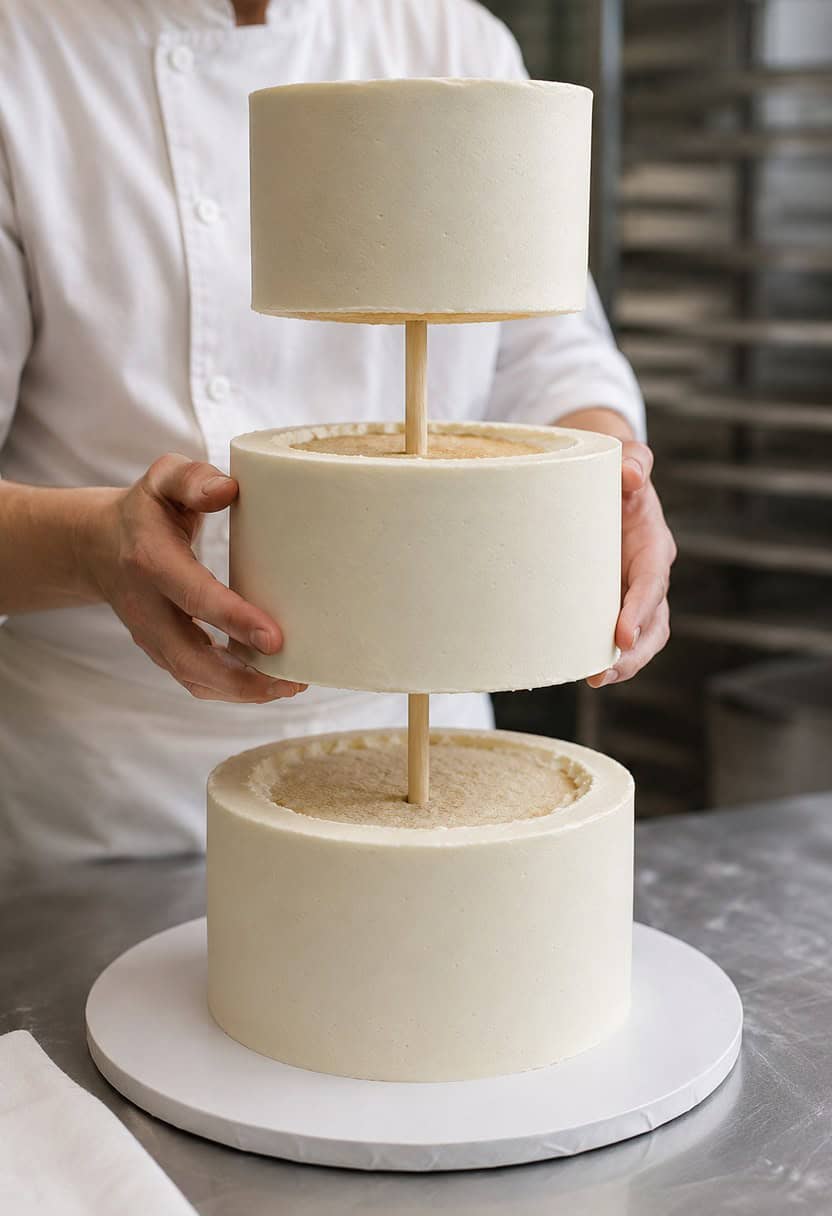
This is the big one. A central dowel is a single, thick wooden or plastic rod driven straight down through all the stacked tiers and securely into the bottom cake board. It costs maybe eight dollars at a hardware store. Budget bakers skip it because it requires a perfectly straight hand, extra time, and a pre-drilled hole in the baseboard.

DaTpuik White Plastic Cake Dowel Rods 15pcs
Check Price2. They Relied on Flimsy Bubble Tea Straws
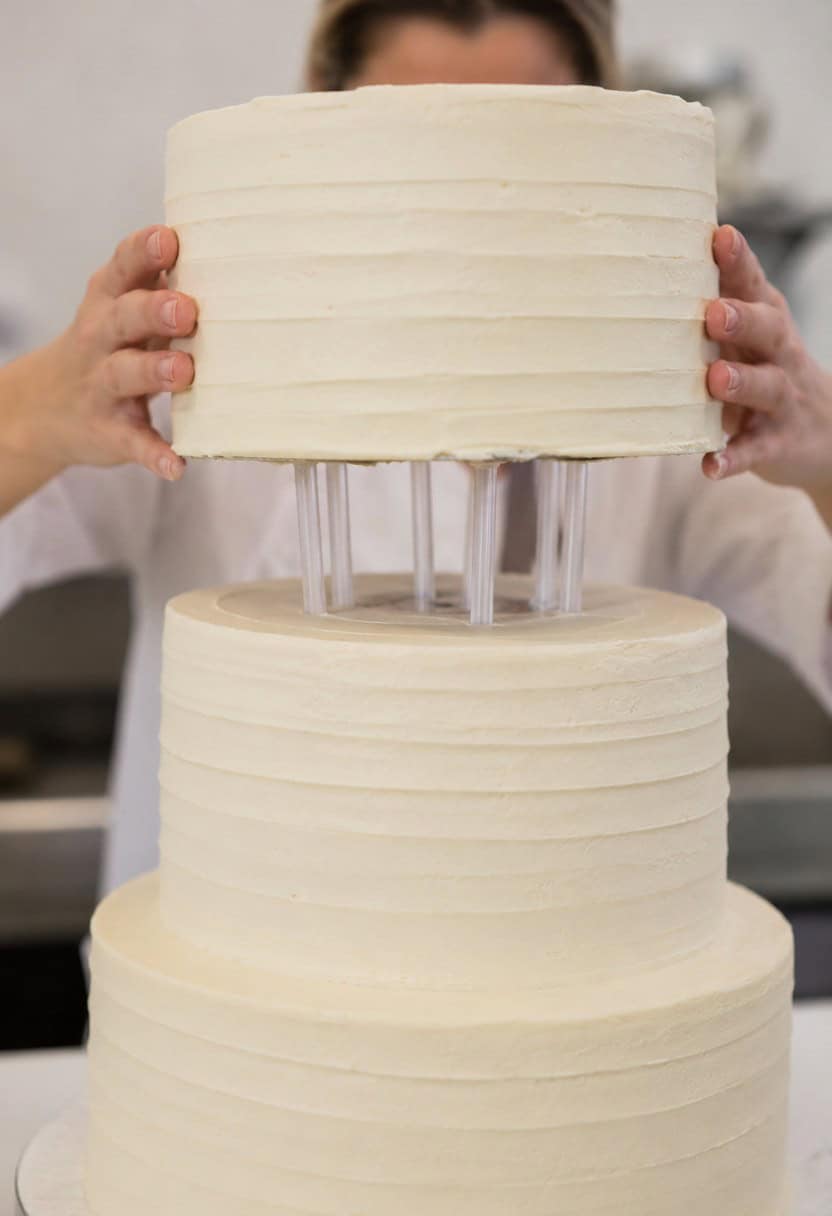
Yes, people really use plastic boba straws to hold up sixty pounds of cake. It is a popular hack because a pack of fifty straws costs three dollars. While they work fine for a small two-tier birthday cake, they will buckle under the weight of a massive three-tier wedding cake. You want solid wood or thick plastic dowels holding up your investment.

YINCL Plastic Cake Dowels 50-Pack
Check Price3. The Cake Board Was Cardboard Instead of Foam Core
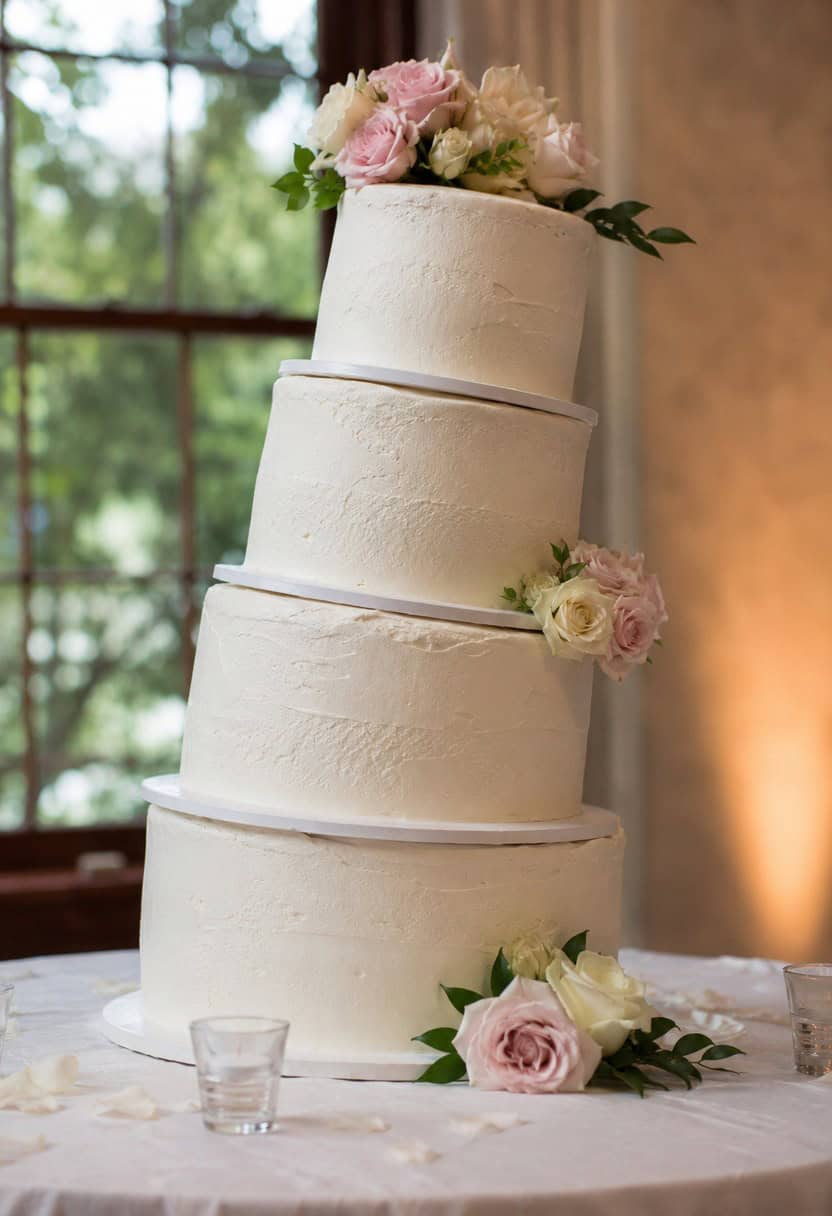
Every tier sits on its own board. Thin cardboard rounds cost pennies, but they absorb moisture from the cake and bend under pressure. Foam core boards cost a few dollars more per tier but stay completely rigid. If the board bends, the cake shifts. It is a simple math equation where cheap materials equal a ruined dessert.
4. You Chose a Soft Filling for a Summer Wedding
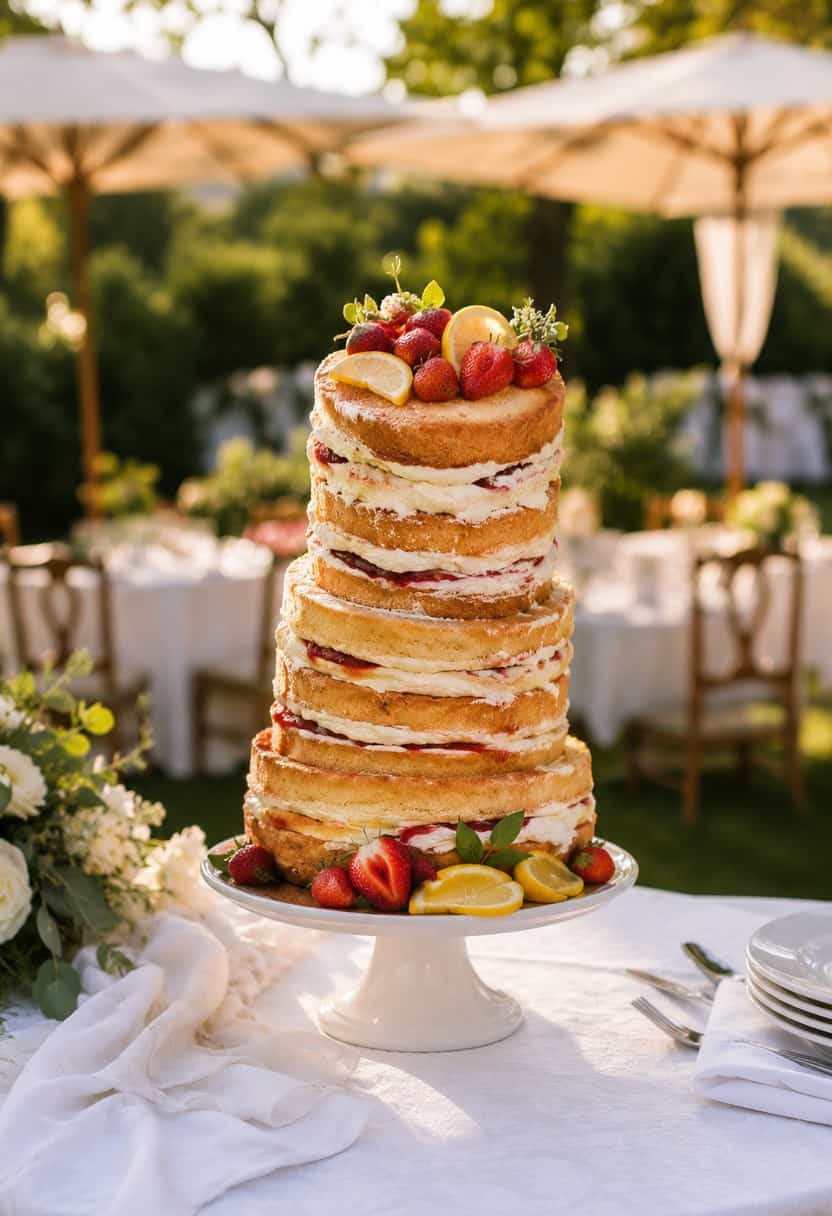
Lemon curd and fresh strawberry compote are delicious. They are also incredibly slippery. If you are having an outdoor wedding in July to save on venue fees, those soft fillings will heat up and act like a slip-and-slide between your cake layers. Stick to stable buttercreams or a firm ganache if you want the cake to stay upright.
Free Wedding Planning Checklist
Stay organized from engagement to "I do" — get our comprehensive checklist covering every task, deadline, and detail.
5. The Cake Was Transported Fully Stacked
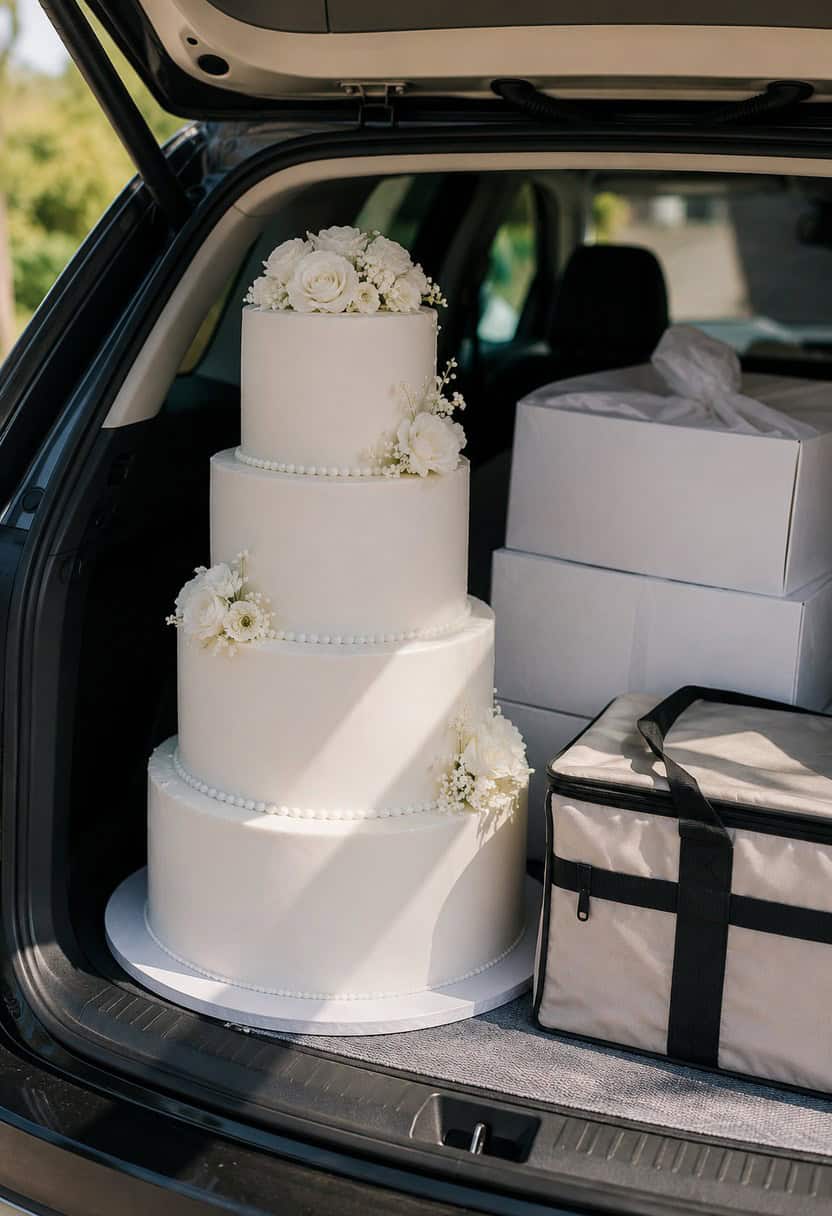
Delivery fees are expensive, so some bakers try to save time by stacking the entire cake at their bakery and driving it across town. Every bump in the road weakens the internal structure. A professional will transport the tiers in separate boxes and assemble them at your venue to ensure maximum stability.
6. The Display Table Has a Hidden Wobble
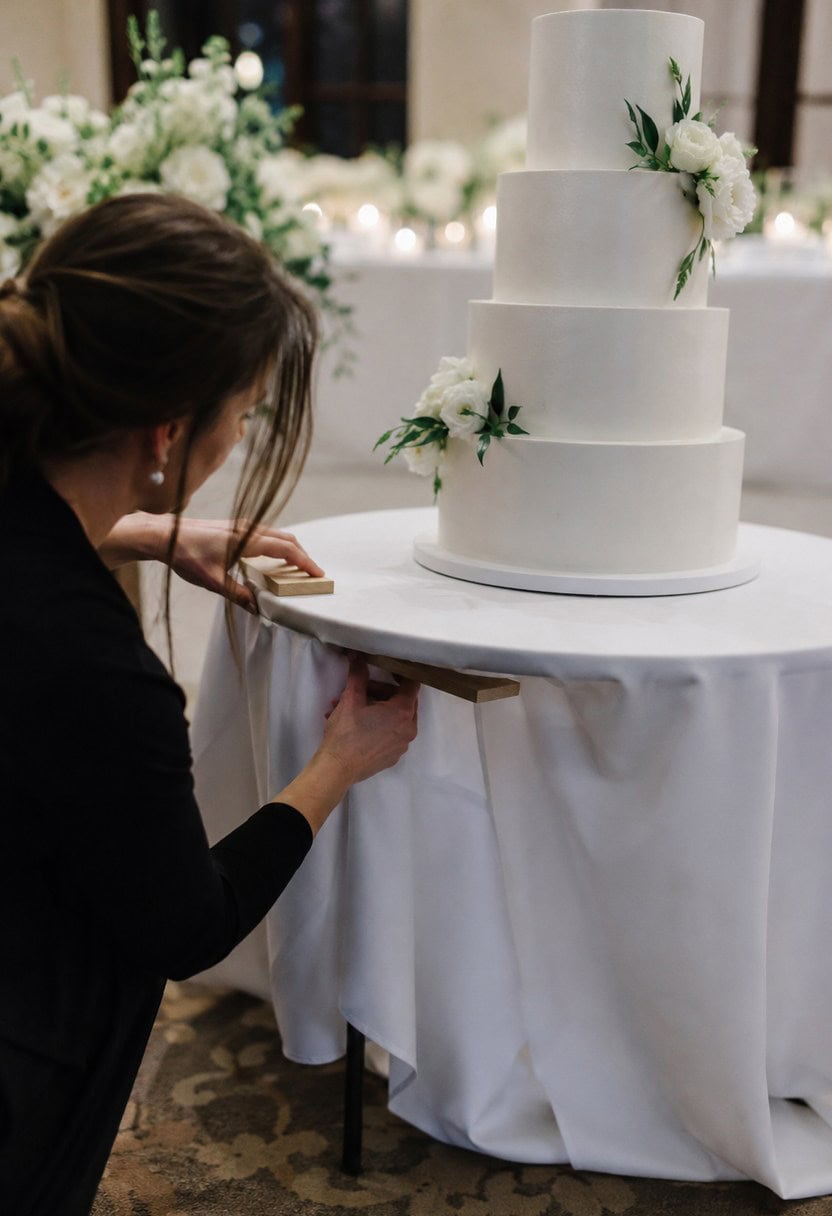
You can have the most structurally sound cake in the world, but if the venue gives you a folding table with one short leg, you are in trouble. I always bring a few wooden shims in my wedding day emergency kit. Check the table yourself before the baker arrives to set up.
7. The Sponge Was Drenched in Too Much Simple Syrup
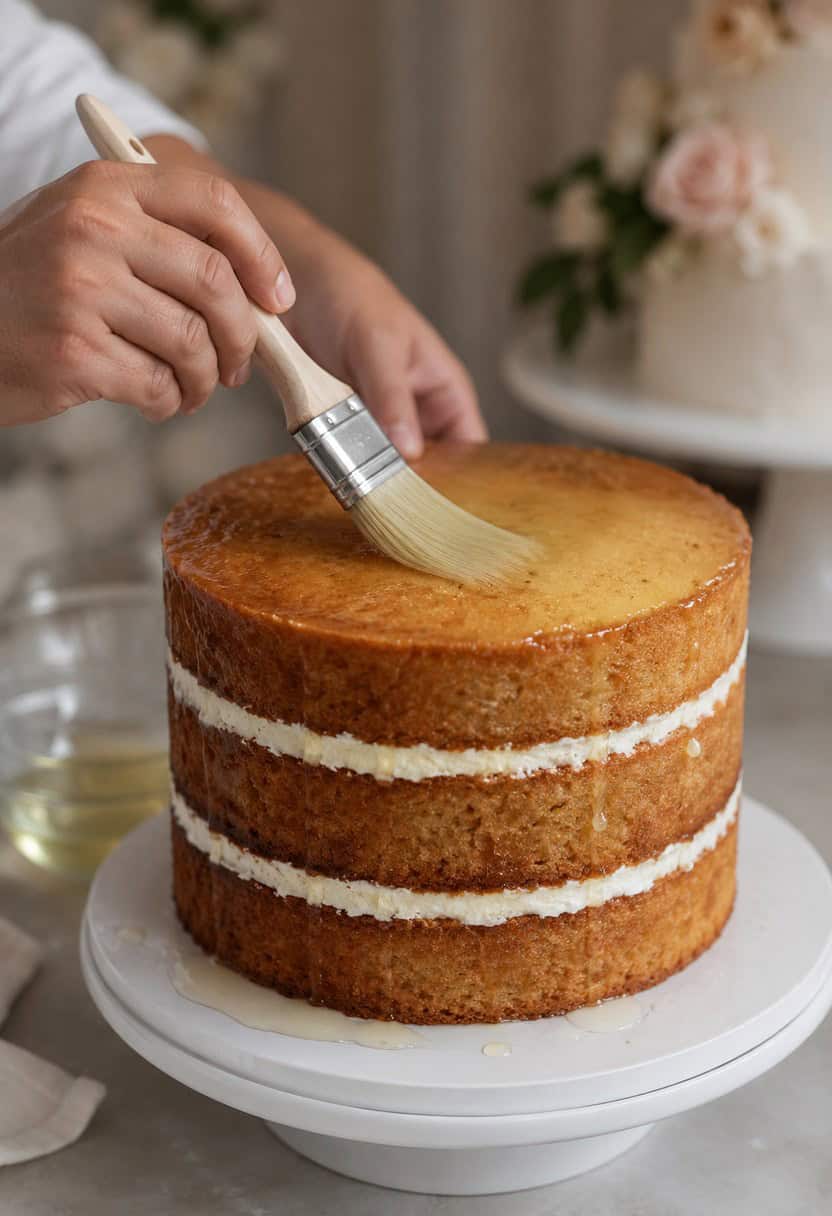
Bakers brush cake layers with simple syrup to keep them moist. If a budget baker bakes your cake four days early to manage their tight schedule, they might overcompensate by soaking the sponge. Wet cake is heavy and structurally weak. It compresses under its own weight, causing the whole tower to tilt.
8. Heavy Fondant Was Placed on a Delicate Chiffon Cake
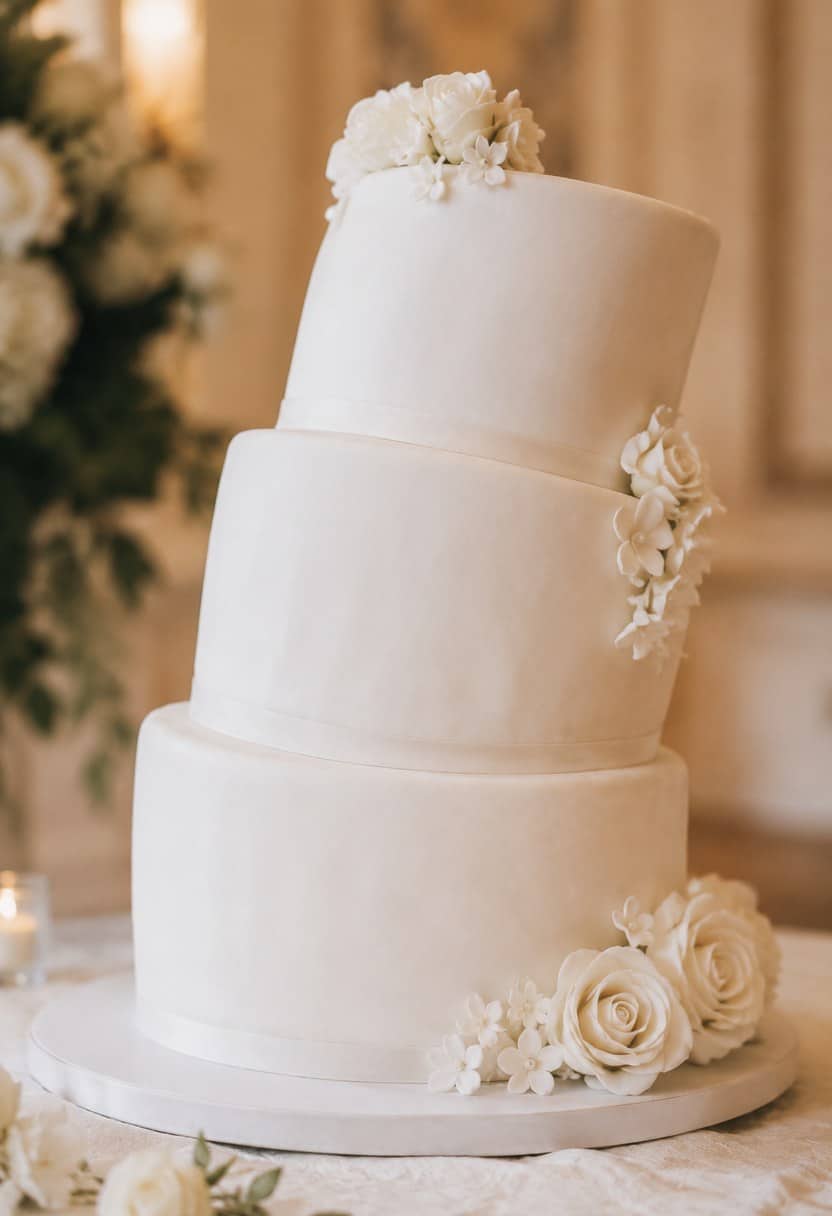
Fondant looks flawless and costs a premium, but it is incredibly heavy. If you pair a thick layer of fondant with an airy, delicate sponge like chiffon or angel food, the cake will literally crush itself. You need a dense pound cake or a sturdy butter cake to support that kind of exterior weight.
9. The Baker Skipped the Final Chill
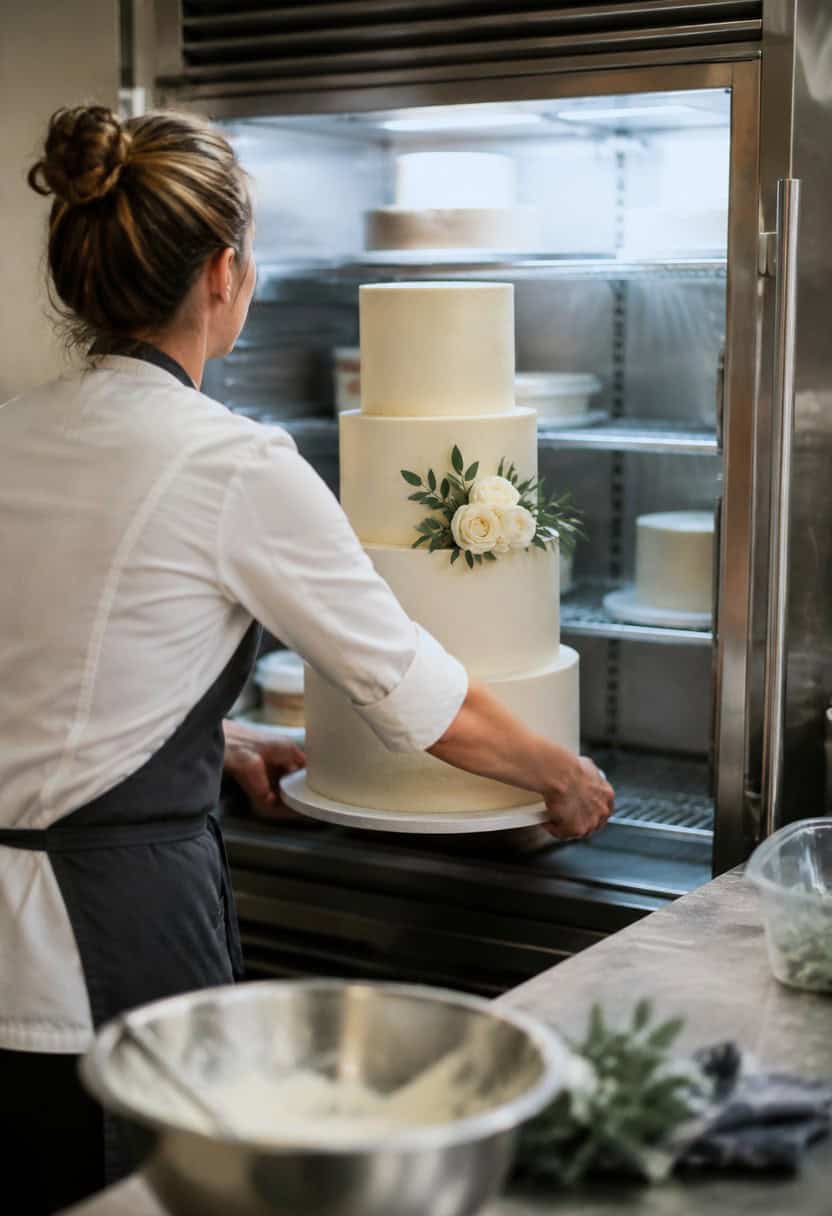
Time is money in a commercial kitchen. A cake needs to chill in a refrigerator for hours so the buttercream acts like cement. If a baker rushes the process to get to their next delivery, the cake arrives at room temperature. A warm cake is a moving cake.
10. The Tiers Were Not Properly Leveled Before Stacking
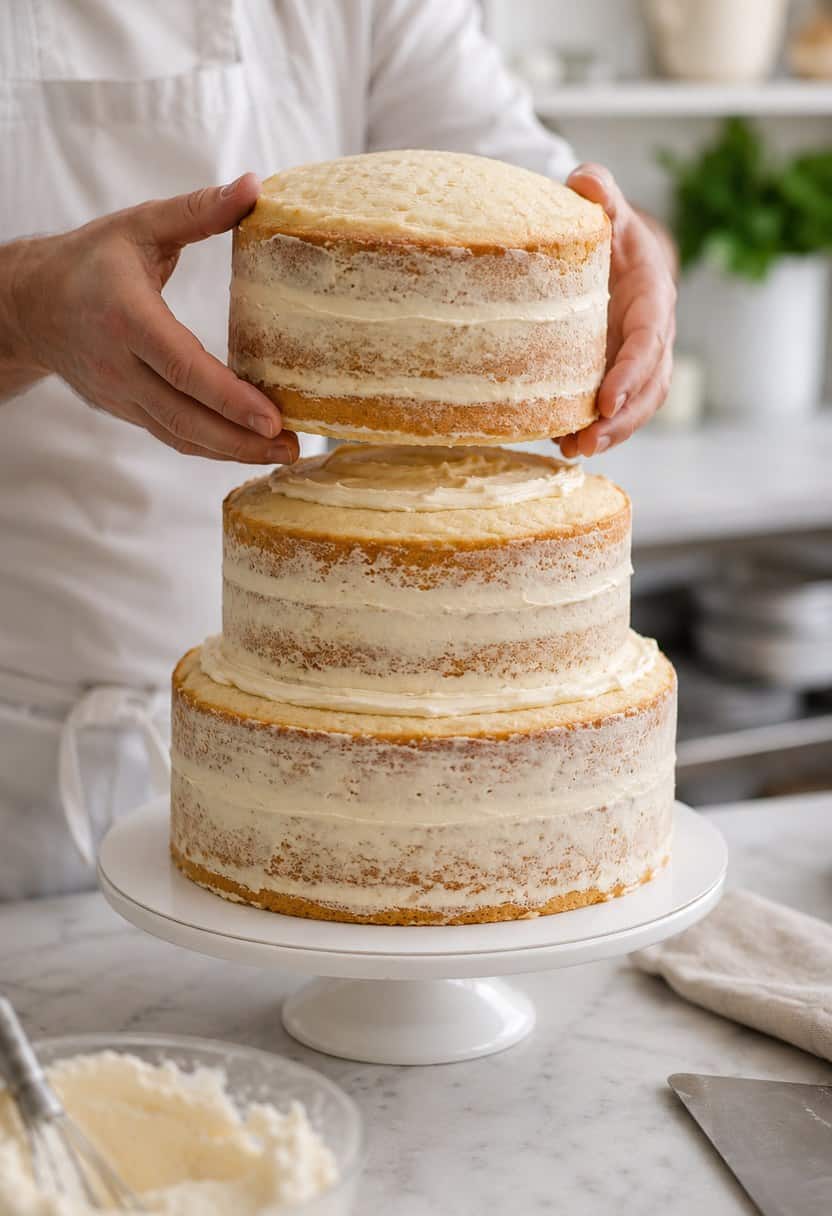
Cutting the domed tops off baked cakes takes time and wastes product. If a baker tries to save that extra inch of cake by leaving the layers slightly rounded, they have to fill the gaps with extra frosting. Frosting is not a structural material. The moment the room gets warm, that frosting will squish, and the top tier will slide right off.
11. You Placed the Cake in Direct Sunlight to Save on Tent Costs
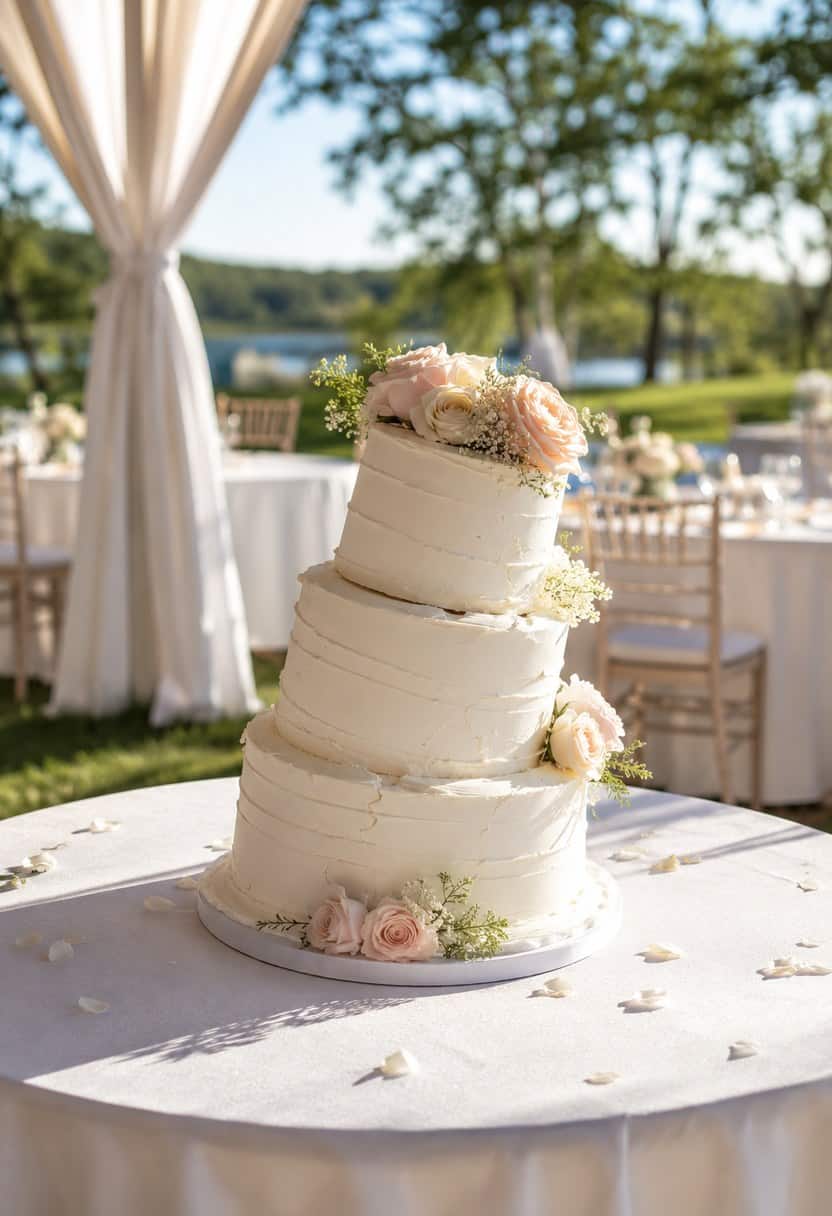
I completely understand skipping the expensive tent rentals. But if you put a buttercream cake in direct sunlight at two in the afternoon, no amount of wooden dowels will save it. The butter will melt, the structure will fail, and your six-hundred-dollar dessert will end up on the grass.
When you are reviewing your catering contracts, do not just look at the flavor options and the final price tag. Ask the hard questions about central dowels, foam core boards, and delivery methods. Paying an extra twenty dollars for proper internal structure is the best insurance policy you can buy for your wedding budget.