

The week before my cousin’s wedding, I sat at my kitchen table counting envelopes, murmuring amounts to myself until my partner walked in and asked if I was okay. Vendor tipping, I told them. The one detail that trips up almost every couple I know. Knowing who and how much to tip in 2026 keeps your team happy and your timeline running smoothly, and this guide provides you with hard numbers so you aren’t wondering at the end of the night.

I give you that freedom along with clear tips no matter your stage of planning. I draw upon years of planning weddings in the Pacific Northwest to clarify the rules on when to tip cash, when a check is appropriate, and when a contract covers gratuity so you don’t accidentally overpay someone.
1) Ceremony Officiant — $50–$150


Win a Free All-Inclusive Honeymoon
Imagine starting your marriage with a free getaway to the Caribbean. Enter this Sandals sweepstakes for your shot at 4 days of all-inclusive luxury—fine dining, turquoise water, and zero stress. Takes 2 minutes to enter.
For most paid officiants in 2026, this falls within the correct range. I personally tip $50 for a straightforward ceremony, and go as high as $150 if they wrote custom vows, attended the rehearsal, or stayed later to take portraits.
If your officiant is part of venue staff or leads a team, check the contract first for any gratuity language. When travel or rehearsal time is already baked into their fee, lean toward the lower end. Give cash or a check in a marked envelope at the rehearsal, or hand it to a trusted person on the wedding day. Make sure the envelope is labeled with the officiant’s name so people don’t fumble it at the last minute.
If your officiant is a friend or family member doing you a favor, a heartfelt gift plus $50–$75 cash is more meaningful than skipping the tip entirely. Their time still has value, even when the gesture comes from love.
2) Lead Photographer — $150–$300
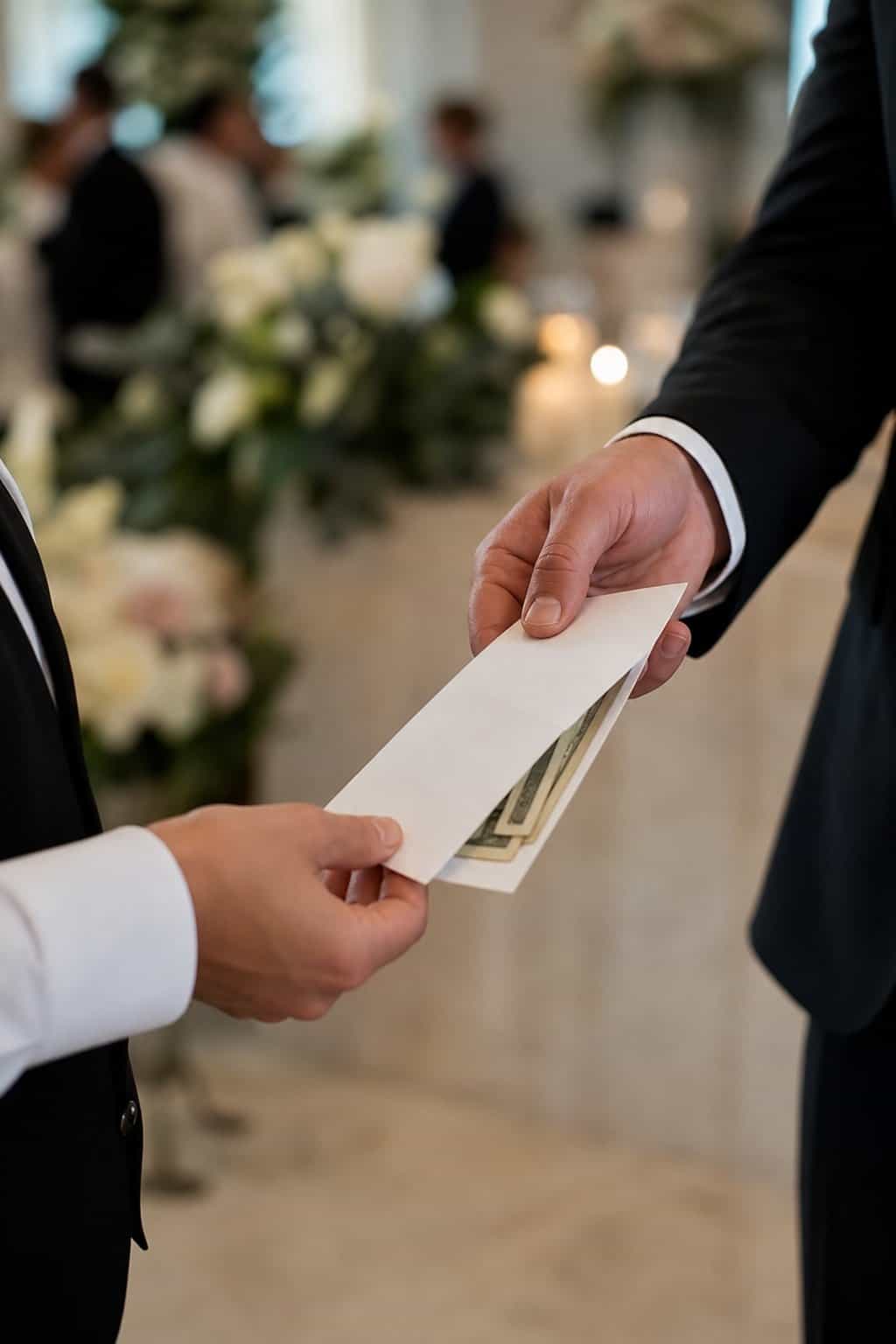
Personal experience may be drawn from the feelings that photography is personal, and I get it from those feelings. I usually price myself at about $200 for the work, while a photographer who shot a full day and delivered a gallery that brought the couple to tears — the good kind of tears. The $150-300 range is for long hours, creative artistry, and the emotional burden of being the one person whose work can’t be duplicated.
If the contract already includes a service fee or gratuity, adjust downward. For short elopements or two-hour coverage, stick to the lower end. When there’s a second shooter, tip them $50-100 extra. My usual practice: designate both envelopes with names and a note and place them in the coordinator’s kit before the reception.
3) Second Photographer — $50–$150
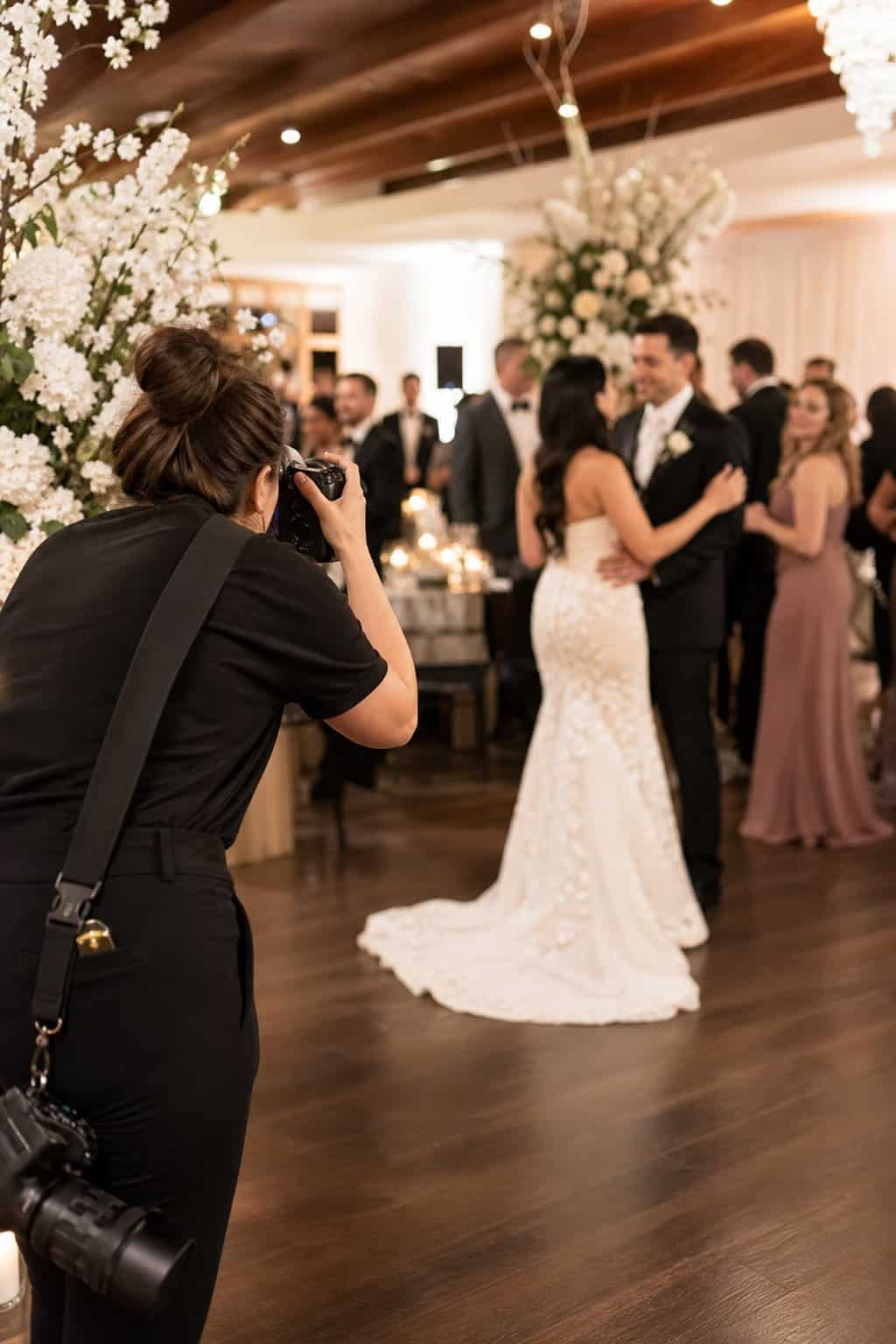
Give this to the second shooter in cash at the beginning of the reception. Second shooters assist with wide angles, guest candid shots, and in some moments, the lead cannot get from two places at once — that creative contribution is significant. If gratuity has been included in the contract, do not tip them. If they worked at your venue too long or it was complicated, tip a little more, $150.
Put their name on the envelope and give it to your planner or a family member you trust to hand it out. This saves an awkward moment and ensures the second shooter is paid before they start taking their gear apart.
4) Videographer — $100–$200
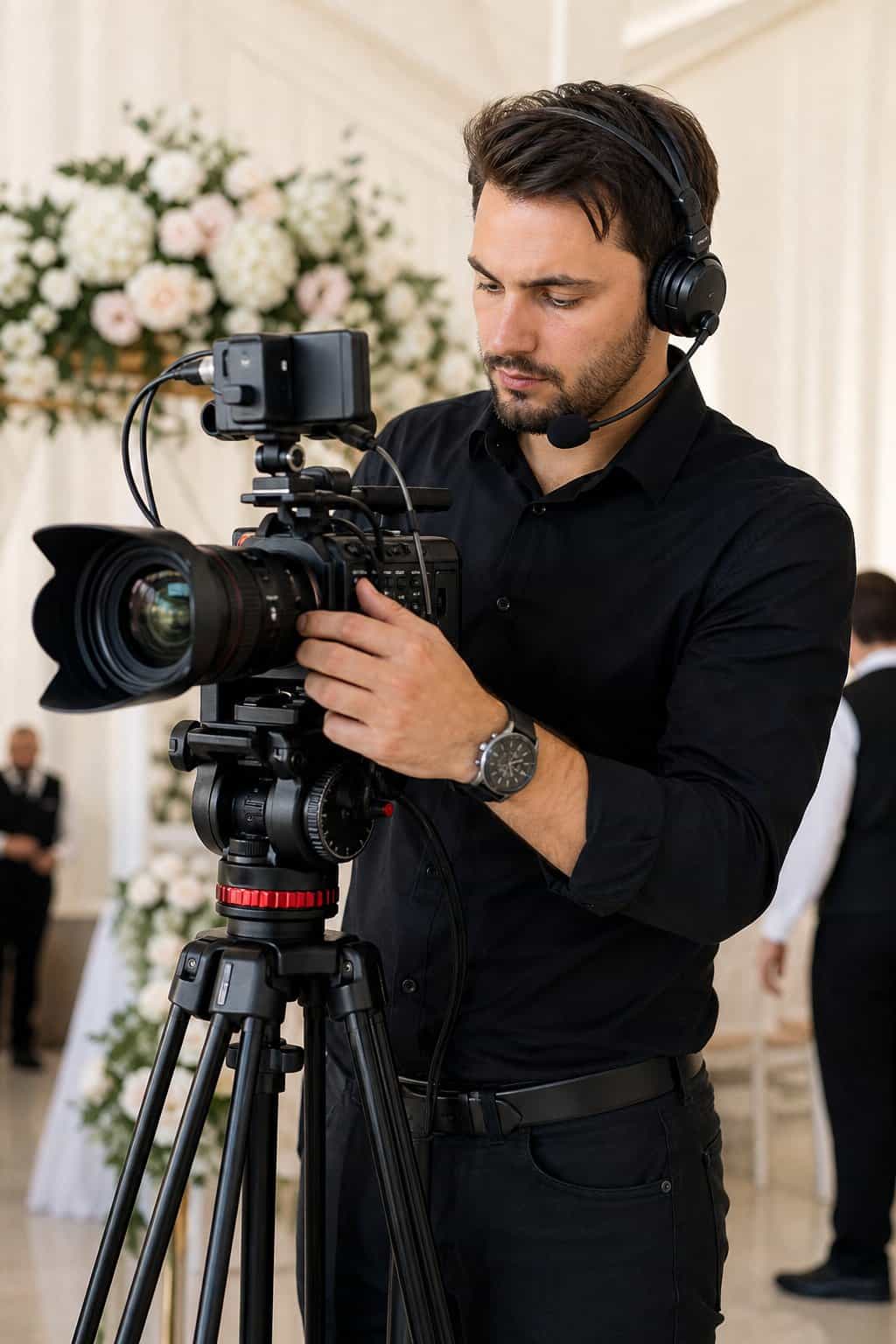
If one person is filming all day, estimate around $150, and for $200+ expect video editing, crew, etc. This is an all-day shoot, and video editing is an extra fee.
If gratuity is included in the contract, thank-you notes or small gifts are a nice gesture. I give cash checks to the lead at the rehearsal or to my day-of coordinator to give out on the wedding morning. Each envelope is labeled with the name and role of the recipients to avoid any mix-ups.
“The couples who pre-label their envelopes at rehearsal are the ones who actually enjoy the last hour of their reception.”
5) Hair Stylist (for the Bride) — 20% of Service, or $20–$50 Per Stylist
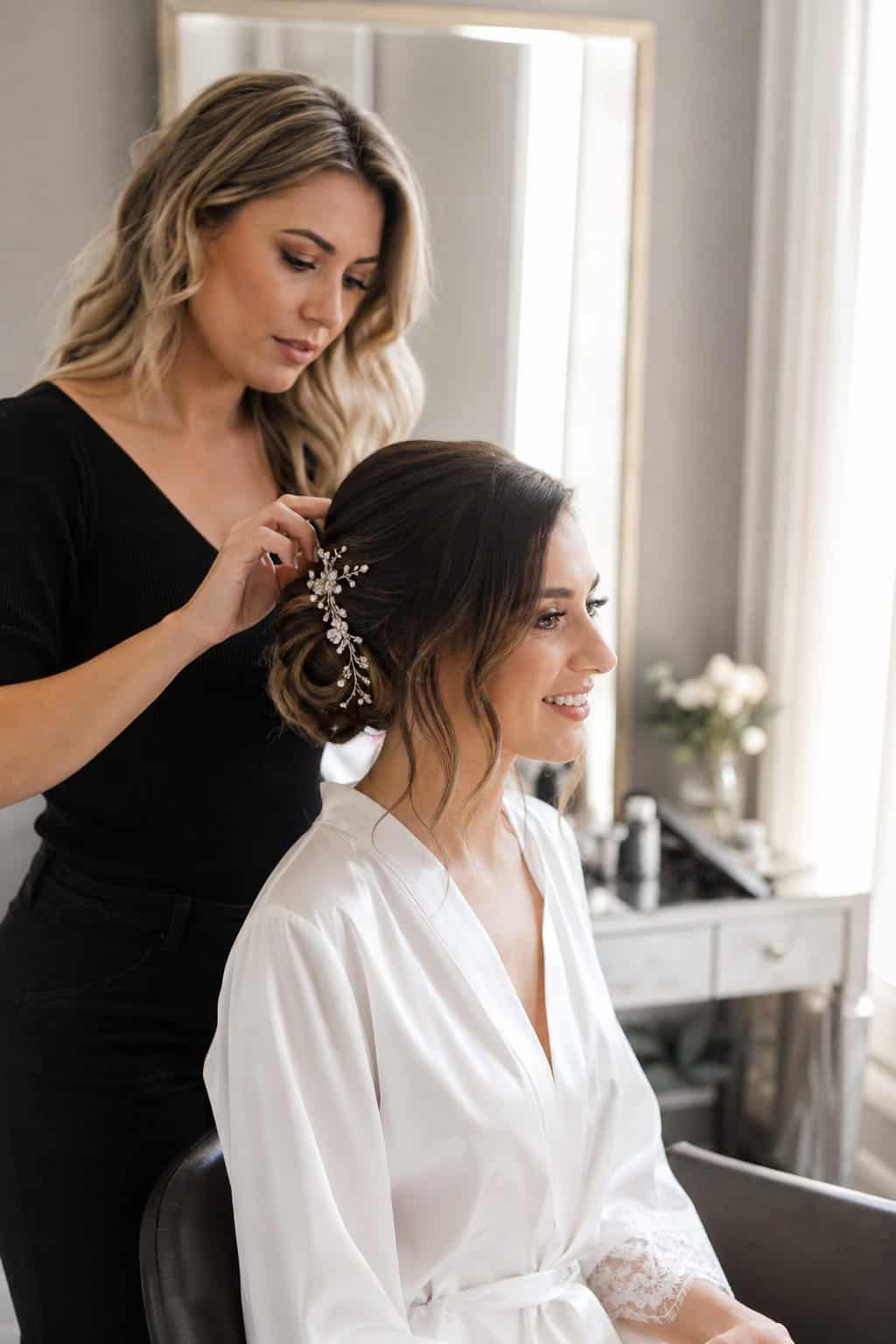
If the lead stylist did both the trial and the wedding day appointment, tip them at the top of the range. Each assistant who washes, preps, or finishes hair should be tipped $20–$50. If gratuity is included in your contract, then adjust — don’t tip twice.
Keep small cash envelopes in your emergency kit and assign someone to distribute them after hair is complete. If you want to pay by card, check with the salon that they can tip staff individually. I’ve seen card confusion cause delays more than once, so don’t wait until the last minute.
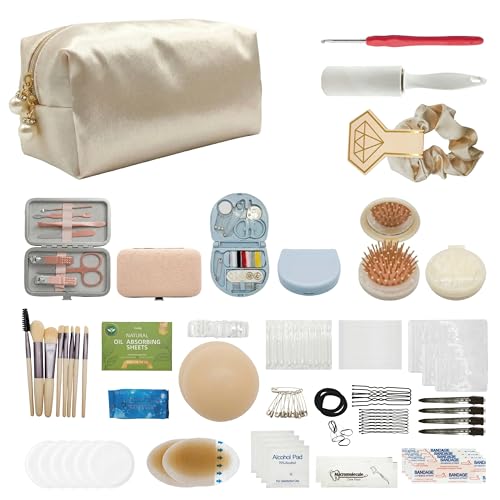
HygaLivia Bridal Wedding Emergency Kit
Check Price6) Makeup Artist (for the Bride) — 20% of Service, or $20–$50 Per Artist
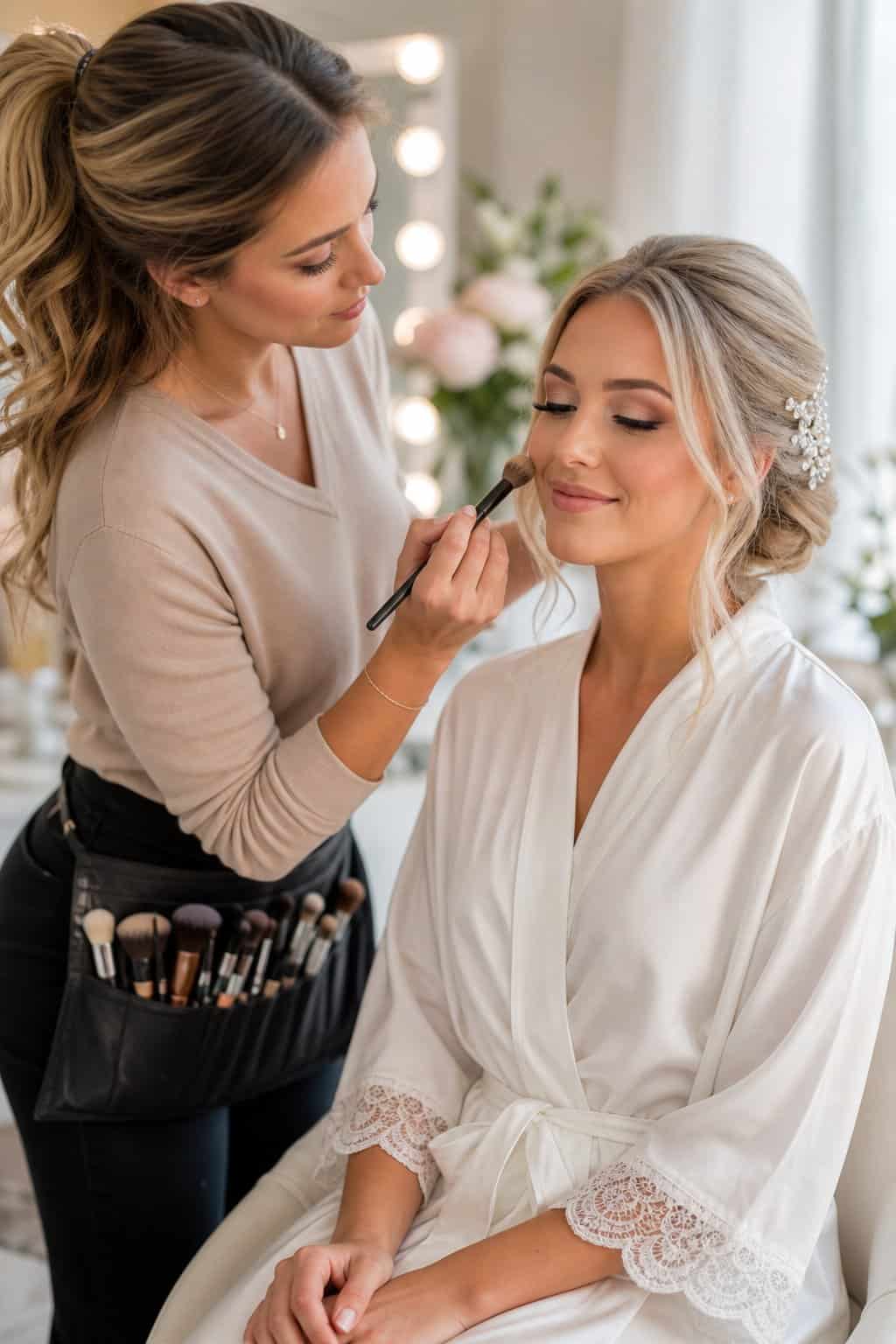
For a single artist doing a bride’s makeup, a 20% tip is appropriate. If a team is doing multiple bridal party members, $20 – $50 per artist is reasonable. That considers travel to the venue, high-pressure morning timeline, and “camera ready” looks are a specialty that can be difficult to achieve in a short time frame.
Some artists include gratuity in the contract, so check the agreement first before giving cash. I prefer cash in labeled envelopes, but if your artist takes card payments, that works too. To prevent mix-ups, write “bride” and the artist’s name on top of the envelope.
7) Day-Of Coordinator — $150–$300
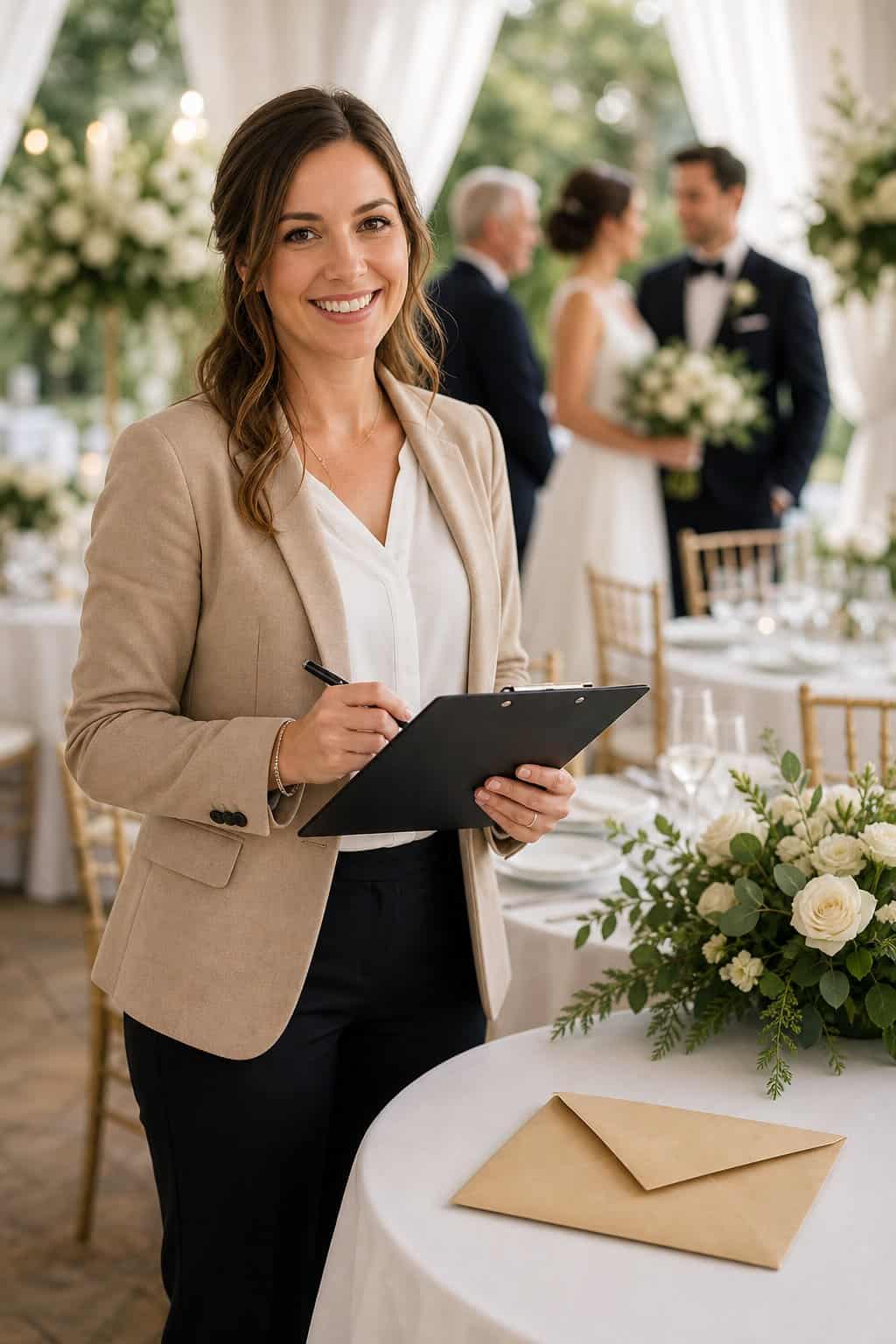
If a coordinator spent the entire day working and quietly resolved issues that you weren’t aware of, tip around $300. That’s what they do most of the time. If you hired a lead planner with a big team, the same applies – adjust upward, or tip the team separately.
Before doing anything, check the contract — if gratuity is already included, don’t double tip. Hand cash, in a labeled envelope, to your coordinator or to a trusted family member to pass it along. Prepare envelopes before rehearsal, if possible. I try to do this so that if the final hour starts getting hectic, my coordinator won’t be left to manage her own tip.
8) Venue Coordinator or Manager — $50–$200

At the end of the reception, please hand the payment in cash. I plan on $100 for basic service and aim for $200 if the coordinator has to deal with last-minute vendor changes, timeline delays, or if there are any surprise guest issues. These are the people who keep the machine running while you are getting married.
If the venue staff is paid by the contract or the venue includes a gratuity, then tip accordingly — so double check before you budget. I keep my envelopes organized and hand them to the manager right before I leave. Clean, discreet, appreciated.
9) Catering Manager and Head Server — $50–$200 for the Manager, Plus 15–20% for the Team

For the on-site manager, give cash between $50-$200, and add a 15-20% service charge (if auto-gratuity is not part of your contract). For the manager, I usually aim for $100 at a wedding with 150 to 200 guests and then reduce from there.
That manager tip especially thanks the person running the timing, staff shift changes, and last-minute adjustments that don’t get documented in the timeline. If there’s auto gratuity in your contract, you must skip the percentage tip, and if there is exceptional work, add a small amount of cash for that. For large service teams, divide the percentage into envelopes for head servers and separate bartenders. Label everything.
10) Catering Servers — $20–$50 Per Server

Give toward the higher end for longer evenings, or for especially good service. For shorter shifts or smaller events, $10-20 per hour tends to make more sense than flat rate amounts. If there is a service charge in your contract, consider reducing or omitting additional cash unless the team went beyond the contracted scope.
My preference is cash in labeled envelopes per server, or a single marked communal tip for the captain to distribute. Clear this in advance with your caterer and save yourself and the team the awkward math during the send-off.
11) Bartenders — $20–$50 Per Bartender, or 15–20% of the Bar Bill

For smaller weddings, use the per-person amount; for larger open bars, use the percentage. Tip around $50 when a bartender had a long shift, was making signature cocktails, or was dancing along with the crowd. If the contract states gratuity, do not add to it — always check before tipping.
Cash given directly to each bartender ensures equitable and quick distribution. An envelope with names also works. For distribution, designate someone — your coordinator or a good friend — to keep it focused so the crowd doesn’t all go at once after the last dance.
12) Barbacks — $25–$50 Per Person, Cash at End of Night
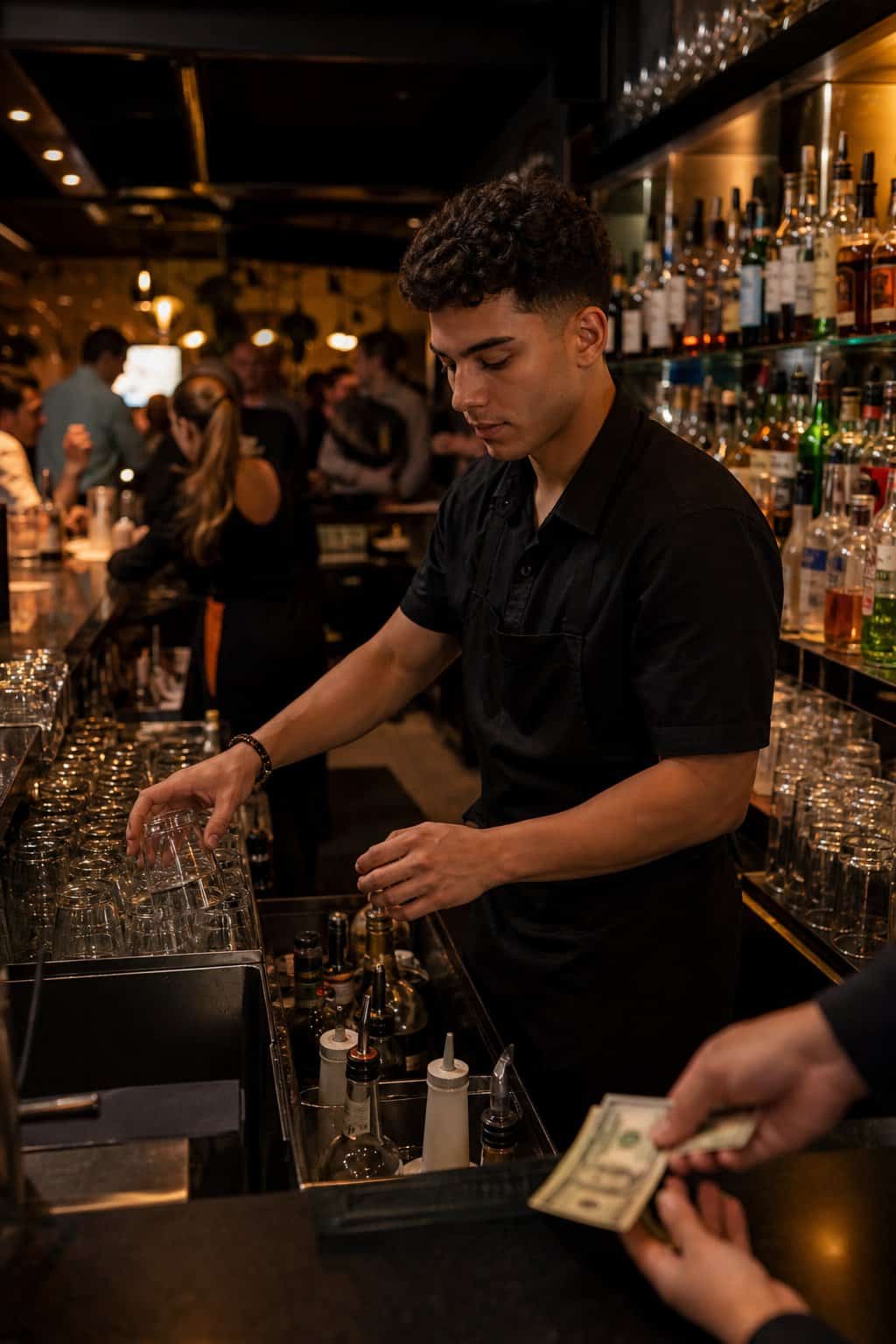
If the bar gets really busy, aim for $50. Barbacks work late, too. They don’t get as much recognition as bartenders do, but they help things run smoothly behind the scenes — switching kegs, changing out lines, filling ice, and all sorts of other stuff. If multiple barbacks work the event, split the $$ so they all get an even amount.
Free Wedding Planning Checklist
Stay organized from engagement to "I do" — get our comprehensive checklist covering every task, deadline, and detail.
Cash can be placed in an envelope at the end of the night and labeled by role for easy distribution from the lead bartender. To help ensure it doesn’t get lost during final cleanup, I keep one envelope in my kit.
13) Cake Designer or Delivery Person — $20–$50

Be prepared to tip the person who brings and sets the cake $20-$50. If it’s just a straightforward delivery, $20 is fair. If the person who bakes and sets the cake has to assemble, stack, or repair anything on site, then you should tip them for doing that as well. It takes extra work and they likely put a lot of thought into the drive to protect the cake.
Bring envelopes for the cake so it goes to the right person. If someone really goes above and beyond like adjusting a leaning tier or saving a crown from slipping, don’t hesitate to add a tip at the higher end.
14) Lead Florist — $50–$150 for Day-Of Delivery and Setup

If the lead florist does the delivery and wedding day setup, give them this amount. For large installations, venue access issues, or early morning arrivals, push this toward $150. This range reflects the physical labor and responsibility the lead takes on, especially for outdoor weddings in the Pacific Northwest where the setup conditions are unpredictable.
If gratuity is included in your contract, skip the tip or reduce it. For teams, split higher amounts between the lead and assistants rather than giving one person a full amount. Bring cash or a dated check in a labeled envelope to give to the lead after setup is complete.
15) Musicians (String Quartet or Soloist) — $25–$50 Per Musician
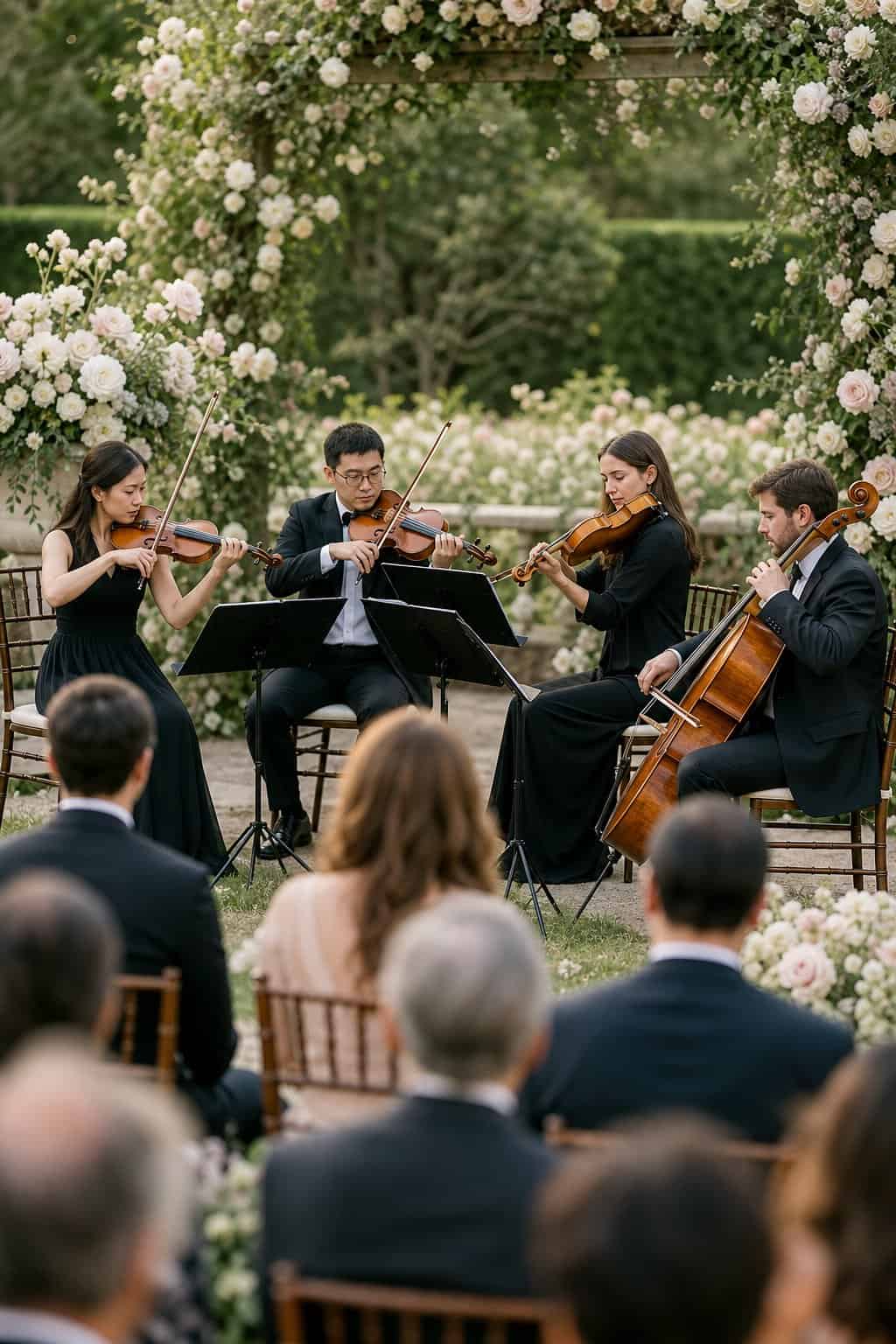
Do this in cash after the ceremony. A soloist is appropriate to give $25–$50 total. For a quartet, expect to give $100–$200 divided evenly among the players. That range is for professional ceremony rates and recognizes the performers as timely and polished so you don’t have to figure out their fee structure.
Put cash in labeled envelopes for the lead musician or your coordinator to give them right after the processional. I do this at every wedding I plan to avoid the handoff during the cocktail hour and to ensure the musicians get paid before they pack their cases.
16) DJ — $50–$150

If I have a professional who ran the entire night and kept the dance floor packed, I usually tip around $75–$100. This range is based on the time and work that goes into creating the playlist, reading the crowd, making the best decisions on the requests that come in about 15 minutes before the end, and more. If you add in MC duties or special effects, light shows, or something else, then I would tip higher or add that per person for a team.
Don’t forget to check your contract first. If there’s already a service fee, then don’t tip twice. I give cash or checks in an envelope to the guests at the beginning, so it’s quick, polite, and there’s no awkward delay.
17) Photo Booth Attendant — $20–$50

If it’s one staff member and a shorter event, then $20 is appropriate, and $50 is reasonable if it’s multi-hour coverage or extra assistance managing the props and guests. If there’s a service charge listed on your vendor’s invoice, then don’t tip or reduce it. For two staff members, divide the total between them.
Envelope tips should have the recipient’s name on it. Hand them through a wedding party member you trust during the breakdown. I tend to add this to the timeline because I find that people forget this until the last minute.
18) Transportation Driver — $10–$20 Per Passenger or $20–$50 Per Driver

Drivers expect tips on the spot. Hand cash to your driver when guests get out. For shuttle runs with several brief spurts, use the per-passenger tip calculation and tip the driver separately for a hired sedan. If your contract already has a gratuity line, check with the company before you add cash; some contracts are very clear about this, and some are not.
Higher-end vehicles accommodate private limo services, long transfers, or late-night vehicle pickups after extended receptions. Pack pre-counted envelopes in the wedding-day kit labeled by specific van or car numbers. This helps the send-off remain calm instead of frantic.
19) Valet and Parking Attendants — $2–$5 Per Car

For standard retrieval, give $2, and $5 for bad weather, tight exit timing, or luxury vehicles that require extra effort. This is in accordance with common etiquette and gives fairness in situations where multiple attendants are rotating. If the venue includes gratuity in the contract, check with them before giving out money.
Give cash directly to the attendant who brings back your car, or leave an envelope with a note if you want tips split at the end of the shift. I suggest simple ratios to couples to avoid midnight searching. It’s also a good idea to leave a note to justify the tip ratio. For valet managers at cars for a long evening, bump to $5–$10 per vehicle to reflect the extended shift.
How Vendor Gratuities Fit Into Your Overall Budget

Before signing contracts with vendors, you should budget a gratuity line. A good planning rule is 5-10% of the total vendor costs. After that, you can separate out a couple of people who you think should receive different amounts, depending on their role and how many hours they worked.
Why Gratuities Aren’t Really Optional
For a wedding that costs $30,000, budgeting $500-$1,500 total for gratuities is fair and realistic. I put this number out there early so I can preemptively answer questions, since couples are almost always surprised by the figure and typically end up frantically looking for cash at the last minute. This is especially true for the workers who serve food, pour drinks, set up the event, and those who work there.
Don’t put a cash tip on top of vendor contracts if they offer a service charge unless the service was particularly good. People who set their own pricing usually don’t expect to be tipped, but their employees do. I make gratuities a line item in my final payment spreadsheet to avoid confusion, and I even label and prepare tipped envelopes beforehand to make it easier to distribute at the rehearsal.
Timing Tips So Nothing Gets Awkward
Tips for photographers, hairstylists, makeup artists, and DJs should be given to them on the day of the wedding and kept in separate envelopes for each vendor, or just one envelope for larger groups. Venue staff and catering servers can get their tips at the end of the reception or just before the end of their shift.
When planning for an envelope service charge, give me all the info you can. Each charge is different regarding what it includes. Before payroll, if a banquet captain tells you to distribute tips, please do so, and it will keep the wages intact. I usually have a timeline with a tipping allocated specific timeframe right after cutting the cake and before wrapping up the vendors. I also assign one designated person to do this, and that person is not the couple.
Who Actually Carries and Delivers the Envelopes
Plan for one person that you trust to deliver the envelopes, who can be the planner, a family member, the maid of honor, etc. Not two, just one. If there is a collective responsibility for handing over tips, the envelopes will most probably get lost. Label each envelope with the amount inside written on the outside so that nobody has to open it to do a count.
For those who do not wish to use cash, prepaid tipping can be done prior to the event via a check made out to the lead staff, manager, or team member, in case the vendors allow gratuities on their final invoices. For large teams, put a note in the manager’s envelope to explain the per-person breakdown so it is clear. In the emergency kit, keep a list of names and backup payment methods, and provide the envelope holder with a copy of the vendor contact list in case any of them leave early.
Talking Directly With Vendors About Tips

Be upfront regarding the tipping plan. Having a definite guide about who gets paid, how much, and when eliminates the end-of-the-evening rush and stops any weird moments where people have to ask during the event. Good vendors expect this as part of their business.
Questions to Ask When You Book
The two most important questions to ask during the signing of contracts are: “Is gratuity included?” and “If not, do you prefer cash envelope(s), a single check, or an e-transfer?” Ask about the headcount cut-off for staffing and if split shifts will incur any additional costs. Add a gratuity line item to your vendor checklist and reconfirm two weeks before.
For catering, ask if the service fee covers all servers, bartenders, and cleanup crews or if it is just one of those roles. This answer changes how you plan the cash envelope(s), and it is much easier to ask than to figure it out at 11 pm when the crew is done packing.
Reading Contracts for Gratuity Language
Look out for the terms service charge, gratuity included, and staffing fee. When those appear, follow up with the vendor and ask for roles in writing. For contracts that do not specify anything regarding tips, prepare labeled envelopes with names and amounts, or plan to do an e-transfer after the event.
For solo vendors (photographers, DJs, officiants), tips range from 10-20%, or a flat amount between $50-200, depending on hours and how many people are on the team. For example, if a photographer has a second shooter, each of them should get a separate tip, not one lump sum. I recommend keeping small sealed envelopes in your bag so tips can be given without drawing attention to them during pack up.
In some states, service charge payments made to venue and catering staff are not legally obligated to be paid to the employees who worked your event. Some venues keep part or all of the service charge as a source of operating income. Always ask: \”Does this service charge go to the staff?\” It’s a fair question, and any respectable vendor should be able to answer it honestly.
Almost all couples who feel really good about their vendor team leave because they have planned the gratuity talk before the wedding. Not after.