
When I planned my wedding last summer, I expected the catering bill to hurt. I did not expect to feel personally victimized by the post office. Wedding stationery costs sneak up on you, and the postage required to mail traditional RSVP cards back and forth is a budget killer. But I have a secret for you. It is called the Three Invite RSVP rule, and it is going to save you exactly $180 in postage and printing costs without making your invitations look cheap.
If you are anything like me, you want a beautiful wedding but you are completely unsentimental about cutting costs where guests will not notice. This rule is the ultimate spreadsheet-approved hack for doing exactly that.
What is the ‘Three Invite RSVP’ Rule?
The concept is incredibly simple. Instead of ordering a full stationery suite with a physical RSVP card, a return envelope, and a return stamp for every single household on your list, you only order them for one-third of your guests.
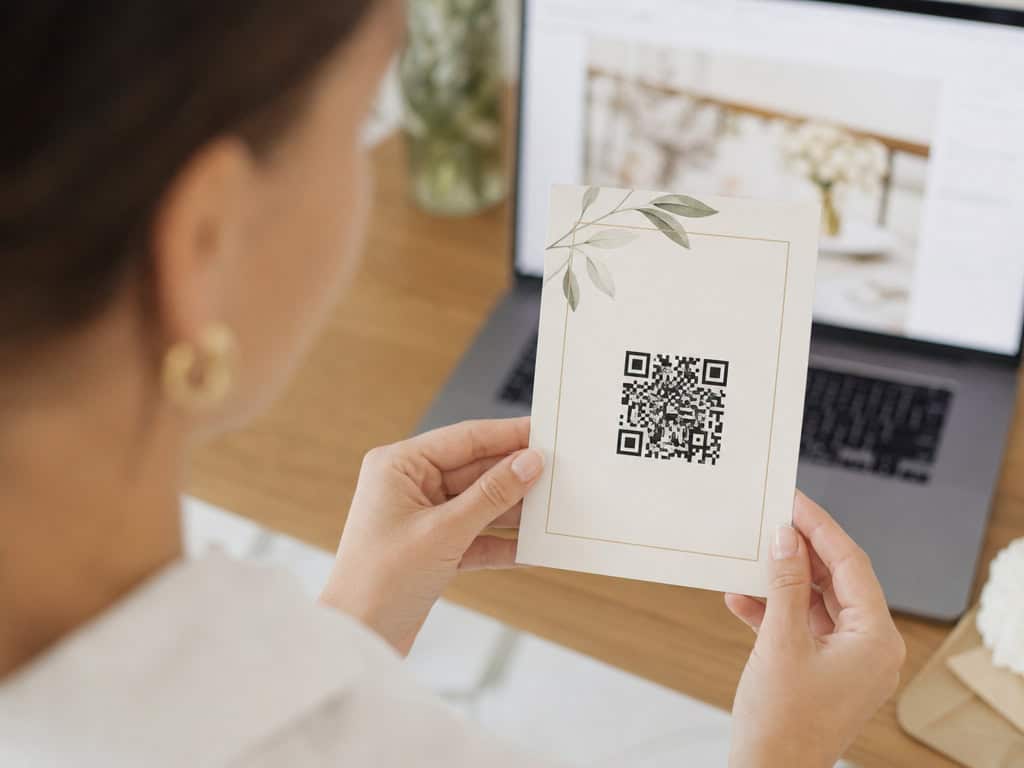
The other two-thirds receive a simple, inexpensive insert card directing them to RSVP on your wedding website. You are essentially splitting your guest list based on who actually needs a paper card and who would rather just click a button on their phone.

Win a Free All-Inclusive Honeymoon
Imagine starting your marriage with a free getaway to the Caribbean. Enter this Sandals sweepstakes for your shot at 4 days of all-inclusive luxury—fine dining, turquoise water, and zero stress. Takes 2 minutes to enter.
The $180 Math Breakdown
I love a good spreadsheet. Let us look at the exact numbers. For this breakdown, we will assume you are sending invitations to 120 households. We will use $0.68 for a standard return stamp, $1.80 for a printed RSVP card with a matching envelope, and $0.23 for a small digital details insert.
Here is how the traditional method compares to the Three Invite rule.
| Expense Item | Traditional Method (120 Households) | Three Invite Rule (40 Physical, 80 Digital) | Total Savings |
|---|---|---|---|
| Return Stamps ($0.68 ea) | $81.60 | $27.20 | $54.40 |
| RSVP Cards & Envelopes ($1.80/set) | $216.00 | $72.00 | $144.00 |
| Digital Details Insert ($0.23 ea) | $0.00 | $18.40 | -$18.40 |
| Total Cost | $297.60 | $117.60 | $180.00 Saved |
By simply swapping out paper for digital for the majority of your guests, you keep $180 in your pocket. That is money you can redirect toward your bar tab, a better photographer, or just keep in your savings account.
Free Wedding Planning Checklist
Stay organized from engagement to "I do" — get our comprehensive checklist covering every task, deadline, and detail.
How to Segment Your Guest List
Deciding who gets which version of your invitation is easier than you think. You do not need to overcomplicate this step.
- Group A (The Physical RSVP): This group gets the traditional card, envelope, and stamp. Reserve this for your grandparents, older aunts and uncles, and anyone who still writes checks at the grocery store. They will appreciate the formality and the ease of a paper response.
- Group B (The Digital Insert): This group gets the small card pointing them to your website. This includes your college friends, younger cousins, and coworkers. If they have a smartphone and know how to scan a QR code, they go in Group B.
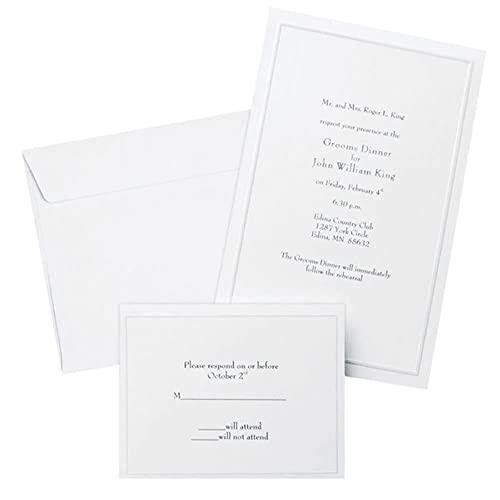
Gartner Studios Pearl White Wedding Invitation Kit
Check PriceWording the Digital RSVP Insert
Keep the digital insert short and direct. You do not need to apologize for saving paper or explain your budget choices to your guests. A simple, polite instruction is all you need.
Try this exact wording:
“Please RSVP by October 15th on our wedding website:
www.yourweddingwebsite.com”
That is it. No fuss, no extra postage, and no waiting by the mailbox for your friends to remember how stamps work.
Calculate Your Own Savings
Want to see exactly how much this rule will save you based on your own guest list? I built a quick calculator below. Just plug in your numbers and watch the savings add up.
RSVP Savings Calculator
Wedding planning is full of expensive traditions that no one questions. The Three Invite rule is your permission slip to question the stationery status quo. Save the paper for the people who care about it, and save your money for the things that actually matter to you.