
Have you ever experienced a family takeover of the bar that completely messes up your carefully planned timeline by turning the event into a two-hour social hour? I have planned weddings where I have seen this happen at all of them.
It can happen with simple, positive, and polite action that keeps the party going and avoids bar fights. The following strategies deal with how to customize your seating plan, set up intentional drink breaks, and a few communication tricks to manage the bar and crowd control, and ensure everyone is happy.
My main area of work is the Pacific Northwest, so I make sure my solutions are vendor-friendly and drama-free. They are not hypothetical. These are real strategies I’ve employed at receptions to defend the speeches, timelines, and open bar budgets.
Win a Free All-Inclusive Honeymoon
Imagine starting your marriage with a free getaway to the Caribbean. Enter this Sandals sweepstakes for your shot at 4 days of all-inclusive luxury—fine dining, turquoise water, and zero stress. Takes 2 minutes to enter.
1) A Separate Welcome Cocktail for Immediate Family Only
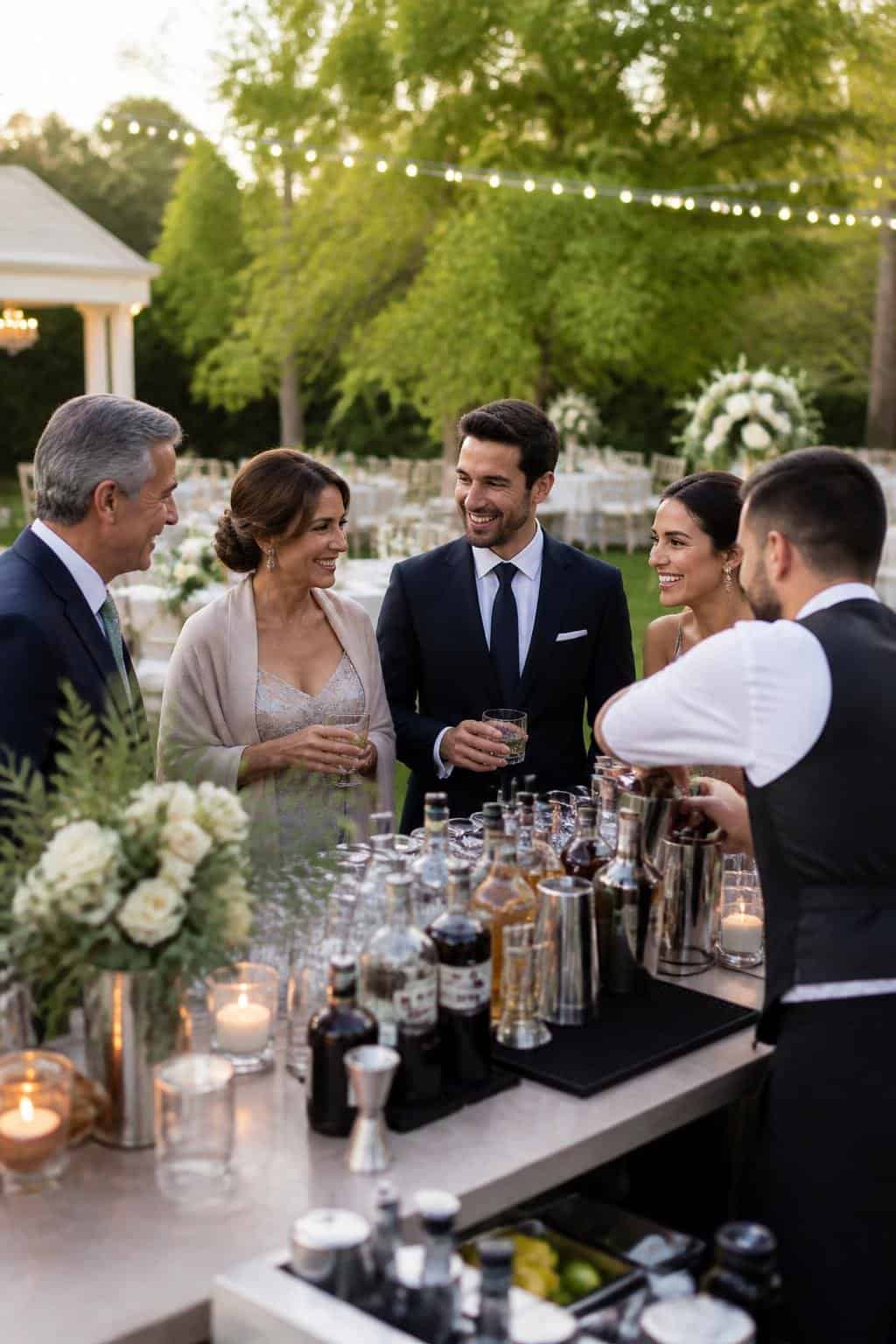
I scheduled a small welcoming cocktail for the immediate family prior to the general cocktail hour. This allows parents and close relatives the chance to meet the couple and enjoy a drink without having to pull the full bar open to everyone at once.
I tell the vendors that the welcome lasts 20 to 30 minutes and drinks are limited to two or three options. A limited drink selection and specified time prevent one group from monopolizing the service or increasing the tab before the main reception.
I place this group by the entrance or a side lounge as a sort of honor, but not to the point where they feel as if they are the main attraction. This also keeps the flow of things unobstructed for when the bigger wave of guests arrives, and makes it easier for the staff to move into the fully set-up reception.
Giving one group early, exclusive access sounds counterintuitive, but it actually satisfies the social need to feel special without creating competition at the main bar. Once that welcome window closes, people settle into the rhythm of the evening rather than racing to get theirs first.
2) The Named High-Top “Family Hour” Table with a 2-Drink Limit Sign
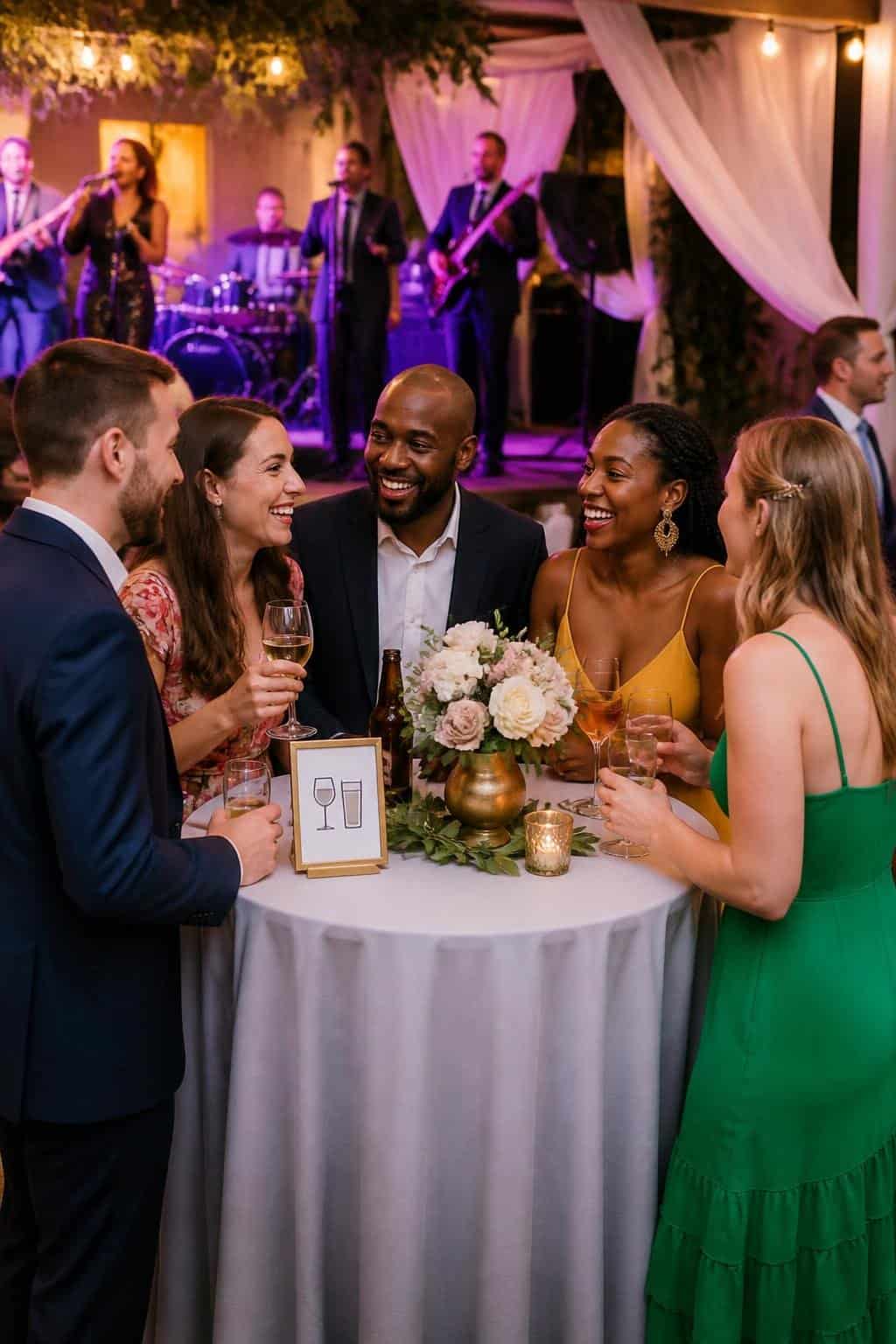
Tables become more active when they get names. I’m going to ask the venue to put a high-top near the band that says, “Family Hour.” Guests will see this as they approach the bar, and will use this table name to describe it.
“2-drink limit during Family Hour” helps bartenders and prevents one group from camping out with unlimited rounds while the rest of the room continues to be unserved.
I always try to give a friendly reminder about the groom’s family. Most people are fine with it, and the limit is designed to give people a reason to stay on the dance floor, so it’s pretty easy to agree to.
To make it easier on vendors so they don’t have to make a big deal about it, I will let the band and bar staff know to look out for the sign. This keeps everyone on the same table regarding the policy and makes sure the rest of the room has equal access to drinks and the dance floor.
3) Making the Bar Cashless Until After Speeches
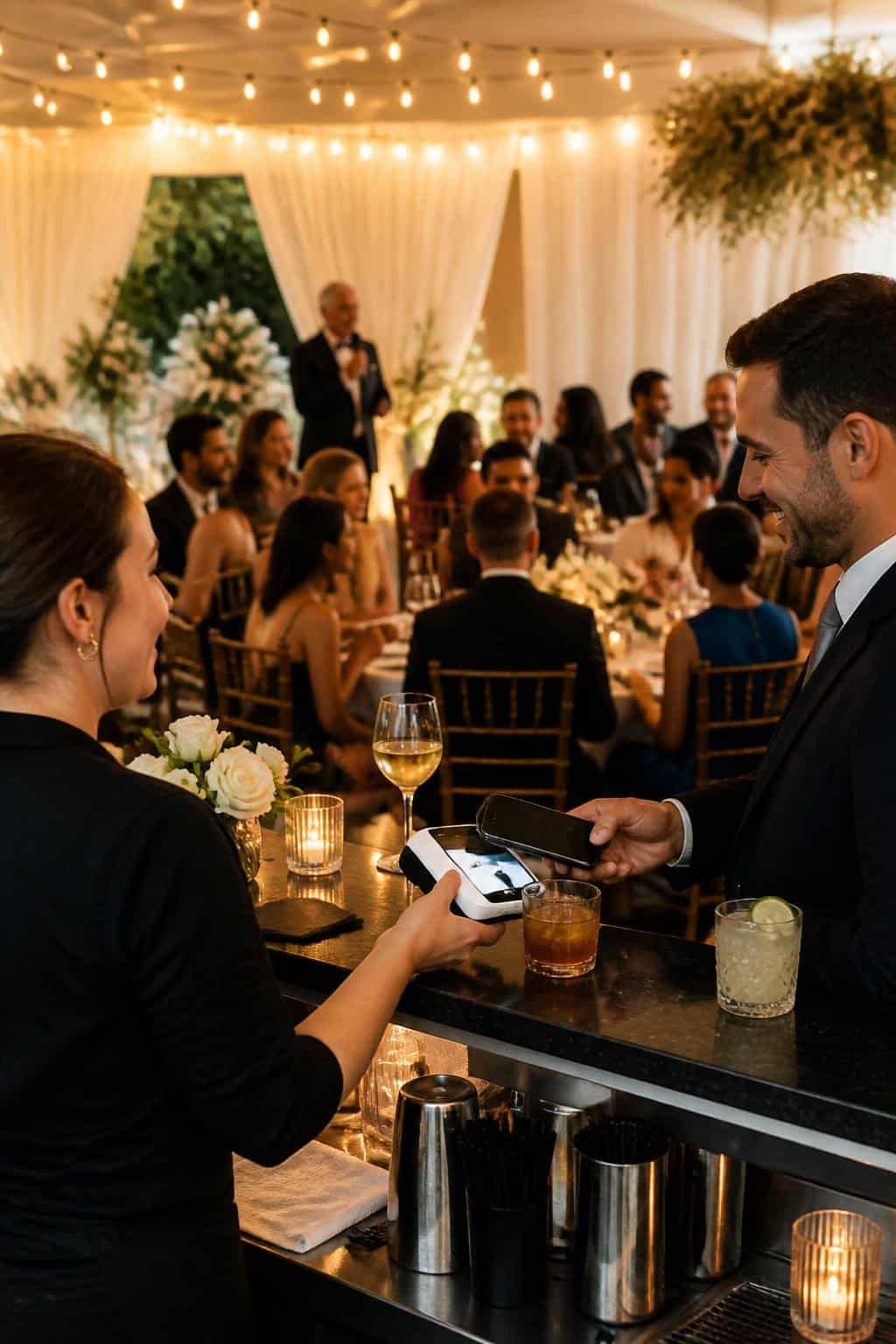
I set up the reception timeline to hold the guests’ full focus during the speech times. I coordinate the toasts to happen right after the main meal or just before the dessert. This way, there won’t be mid-sentence interjections as guests are eating or heading to the bar.
Making the bar ticket service only or card only until speeches is a common policy change I implement. It keeps guests seated without someone having to make an announcement and removes the early round formation.
An interesting observation I’ve made at several receptions is when the bar is closed during the speeches, people stop focusing on what drink they want next and start paying attention to what is actually being said. It’s a subtle, yet highly effective reset.
4) Seat Groom’s Immediate Family at a Plated-Dinner Table, Away from the Bar
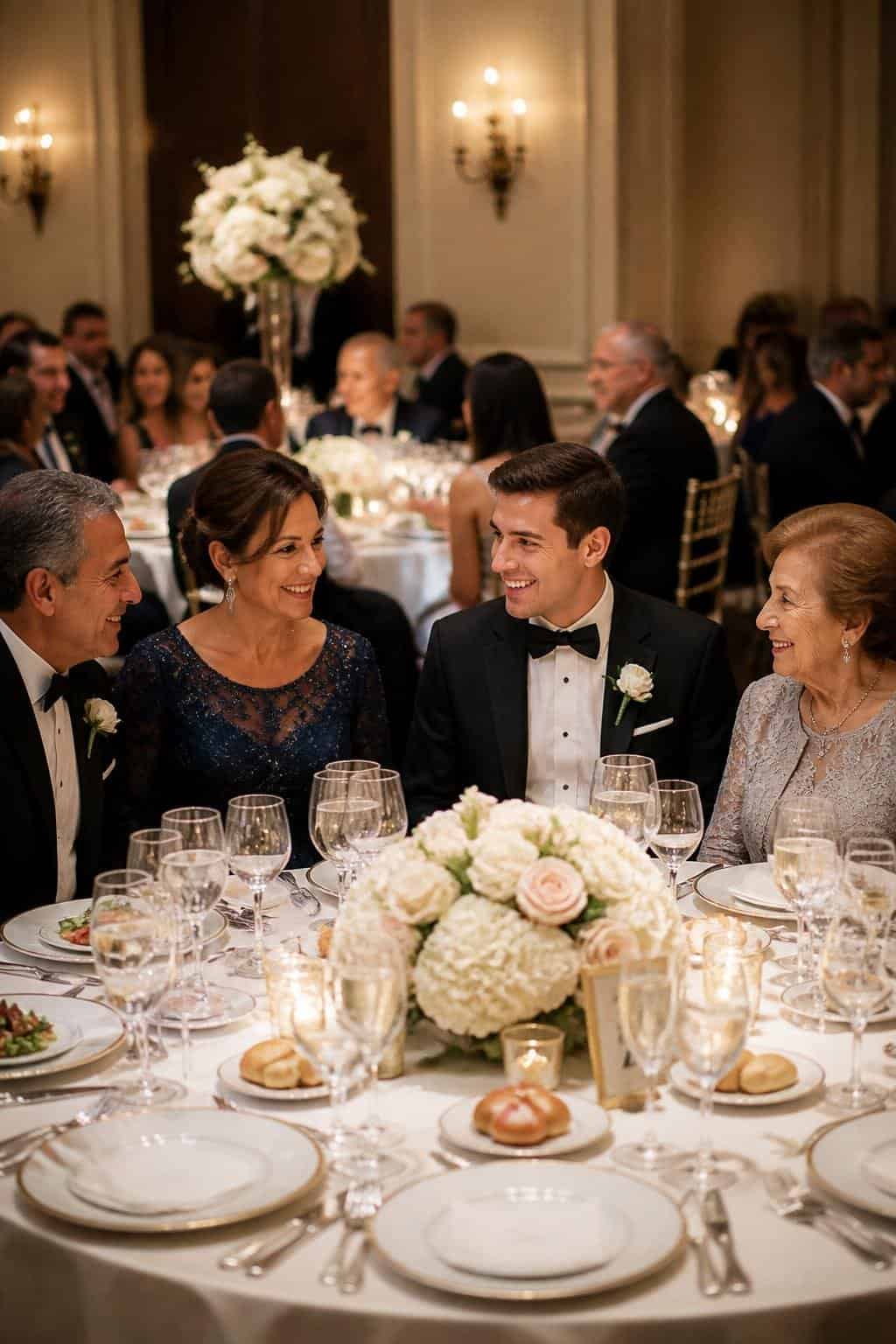
Traffic during dinner is kept free from the bar as well, as the groom’s close family has a clearly defined plated-dinner table. During the meal, servers receive clear communication on the drop course locations. There are no circling trays among standing guests, and no confusion over who is actually seated.
I will be asking the venue to relocate that table away from the bar and toward the service stations, as this adjustment will decrease wandering and help staff manage timing across the whole space.
Having a frame, family photo, small flowers, or a similar item helps. It gives them a reason to stay. It shows them respect and prevents them from taking several trips to the bar between the courses.
For couples worried about how this appears to the family, I present it as a service and comfort decision. That viewpoint almost always works.
5) Two Float Servers Carrying Pre-Poured Signature Cocktails to Family Tables
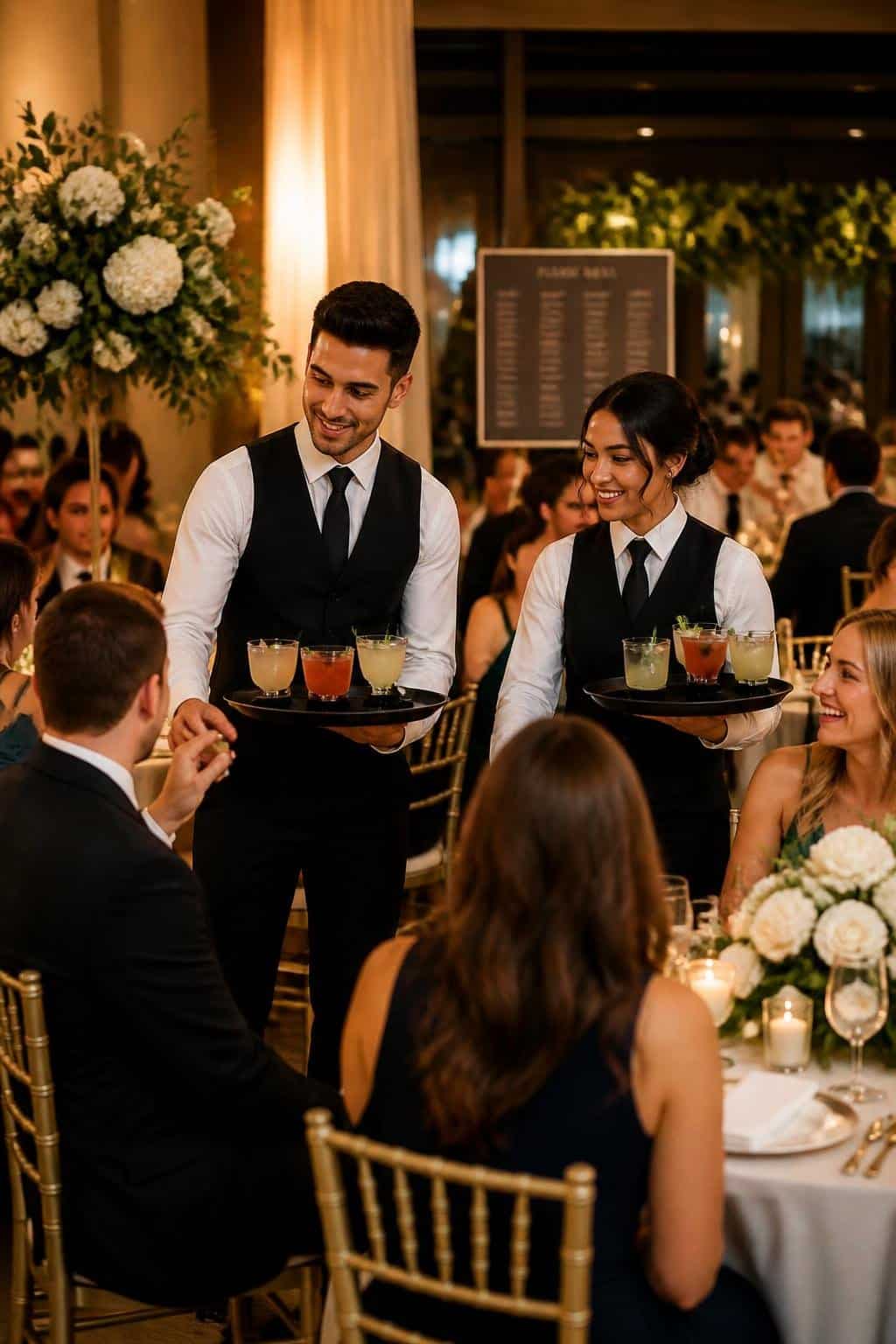
You won’t have to search for a drink, because drinks will be brought to you! While it’s time for cocktails and early reception, I have two floaters assigned to the area near the family tables. They will be bringing cocktails on trays and offering drink service so the guests stay engaged and don’t have to go to the main bar.
I instruct my servers on how much to pour, and the garnishes to use, as well as which guests to talk to first. This helps the service be more intentional as opposed to being random, and guests notice the difference of being offered a drink as opposed to having to go and get one themselves.
I can manage the float service so that it works best with the main bar instead of providing overlapping service to them. With tables that allow mocktails, one server knows which drink to offer.
6) Build a “Family Photo + Drink” Break Right After the Ceremony
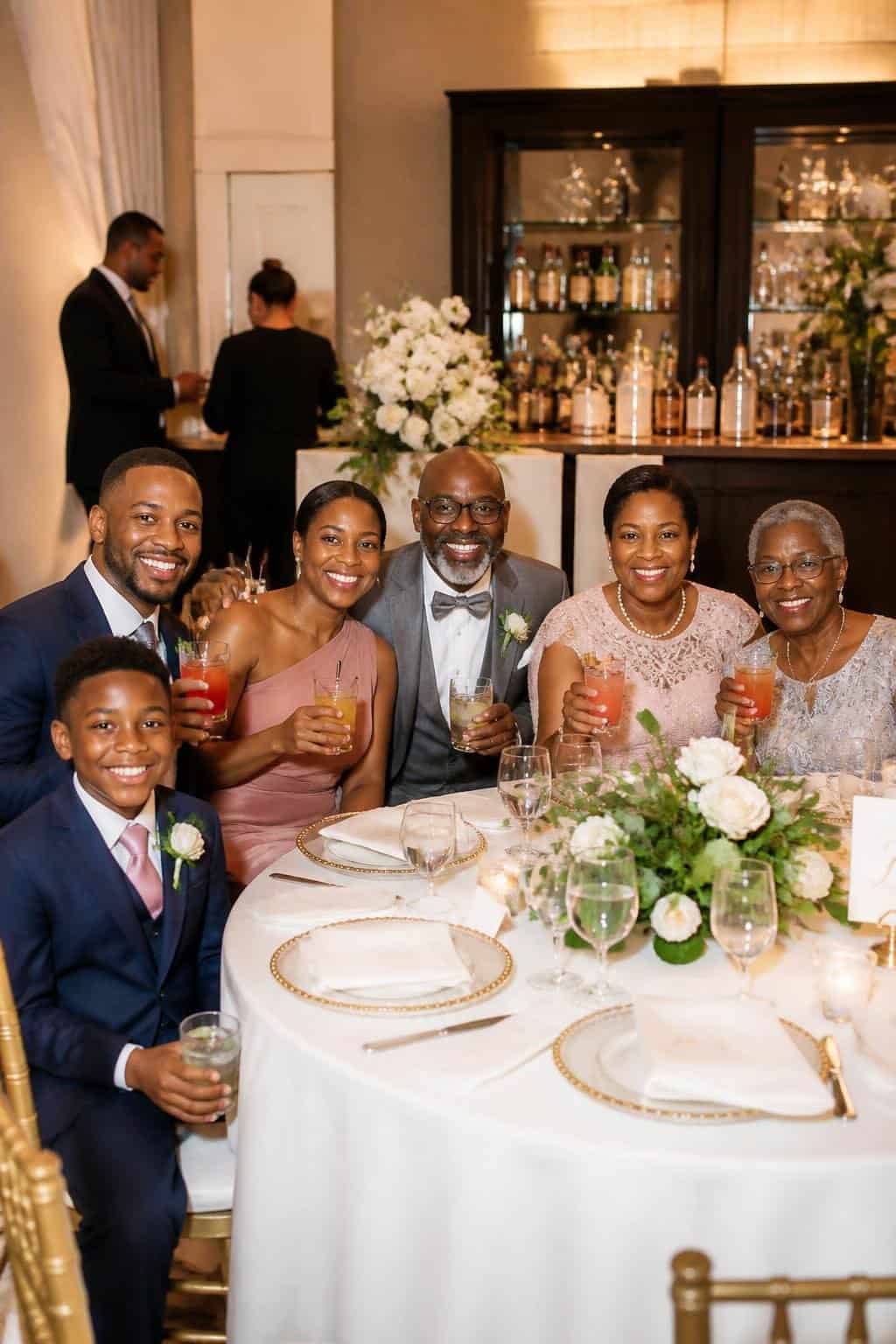
Older relatives will appreciate that they have an opportunity to get a drink. This will likely keep them from hanging out at the bar for 2 hours. I break for a few moments right after the ceremony for some group photos and for a quick drink hand-off.
The bar team prepares a drink tray with both alcoholic and simple cocktails for each family group. I announce the break for relatives and those who come to the photo spot, pick up their drinks, and then, pretty much, walk to their assigned seats. It combines two things that need to happen: the couple’s posed photo time and an organized, calm queue for relatives to sit down.
Guests can enter the reception area freely, and there is a flowing, quiet line at the bar.
“The best crowd control at a wedding looks nothing like crowd control.”
7) Color-Coded Place Cards with Advance Communication to the Groom’s Side
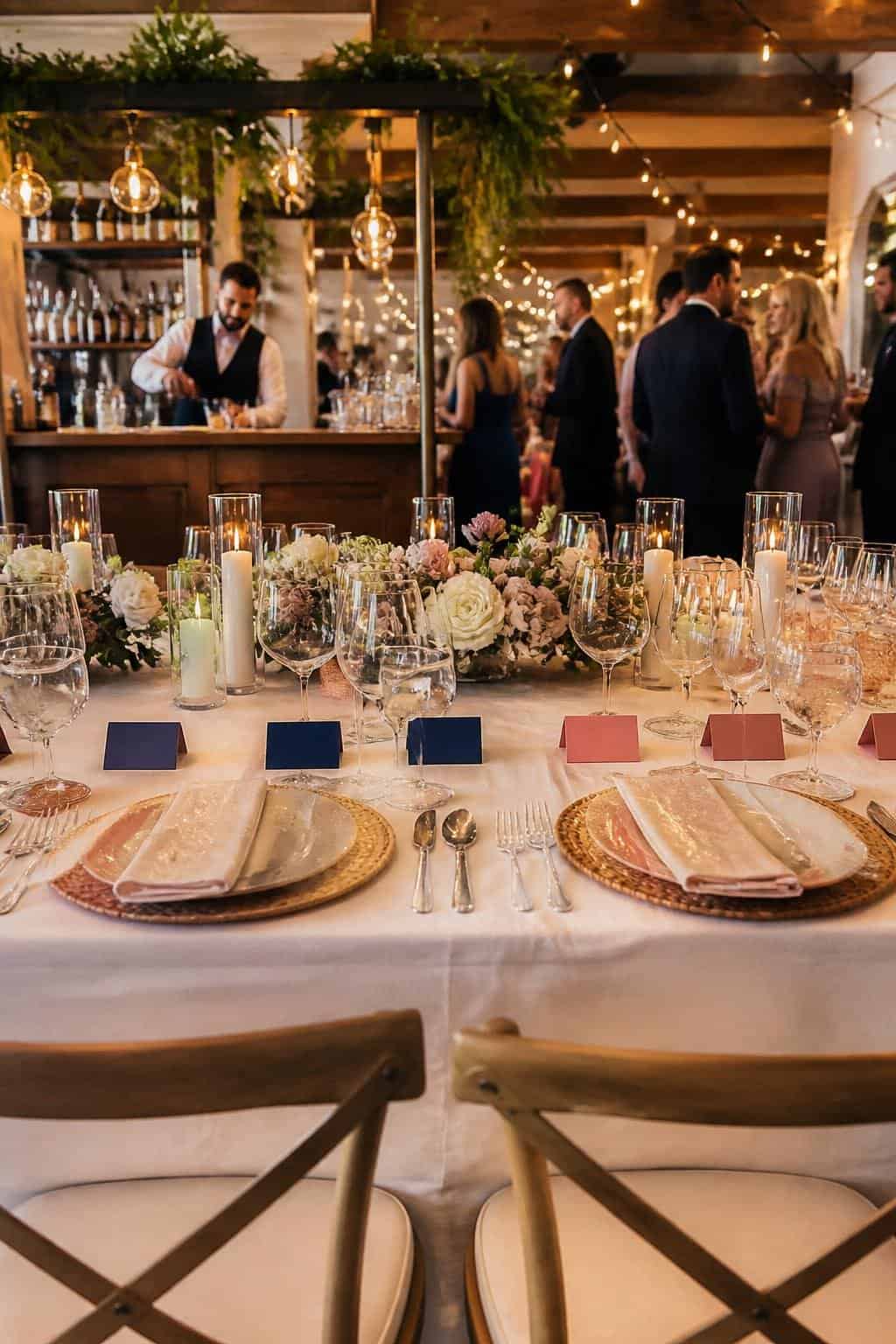
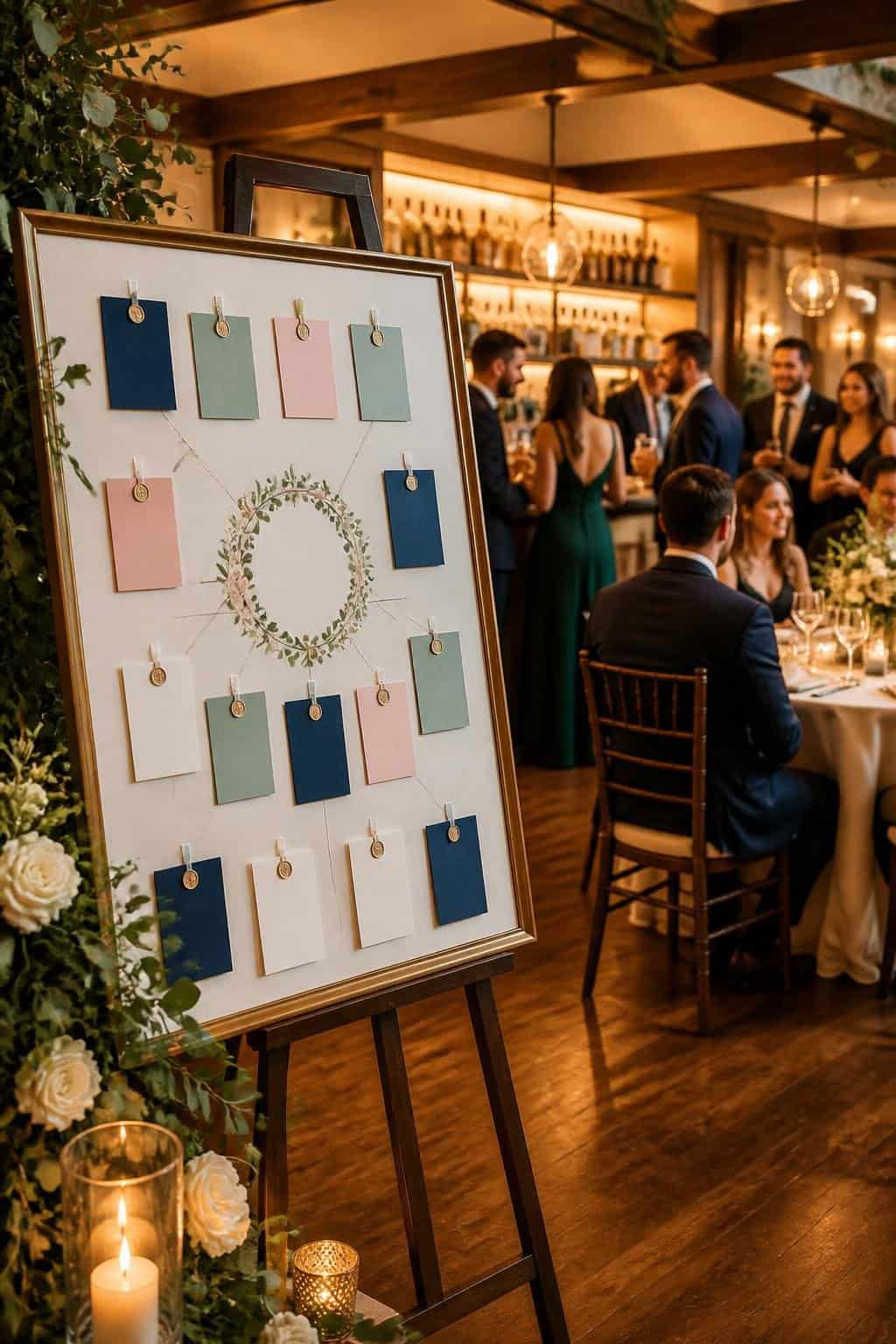
Place cards that are color-coded help keep confusion at a minimum and allow service to flow quickly when 150 guests arrive at once. In a standard planning kit, place cards are included. Each entrée will have a different color card. Plus, a small symbol or sticker can be added to the card to show if a guest has an open bar, a limited tab, or a welcome drink only.
Please let the groom’s family know about the drink policy before the wedding day. A short message from the couple or a quick phone call from the groom is good enough. I try to be polite and direct to avoid being singled out as critical.
Implementing a colored card cheat sheet to train your employees could be a good idea. This gives customers a better idea of how the service works, and limits can be enforced without having to do the whole awkward talking-to-someone-during-the-event thing.
8) A Limited Signature Cocktail Menu for the First Hour, Full Bar After Dinner
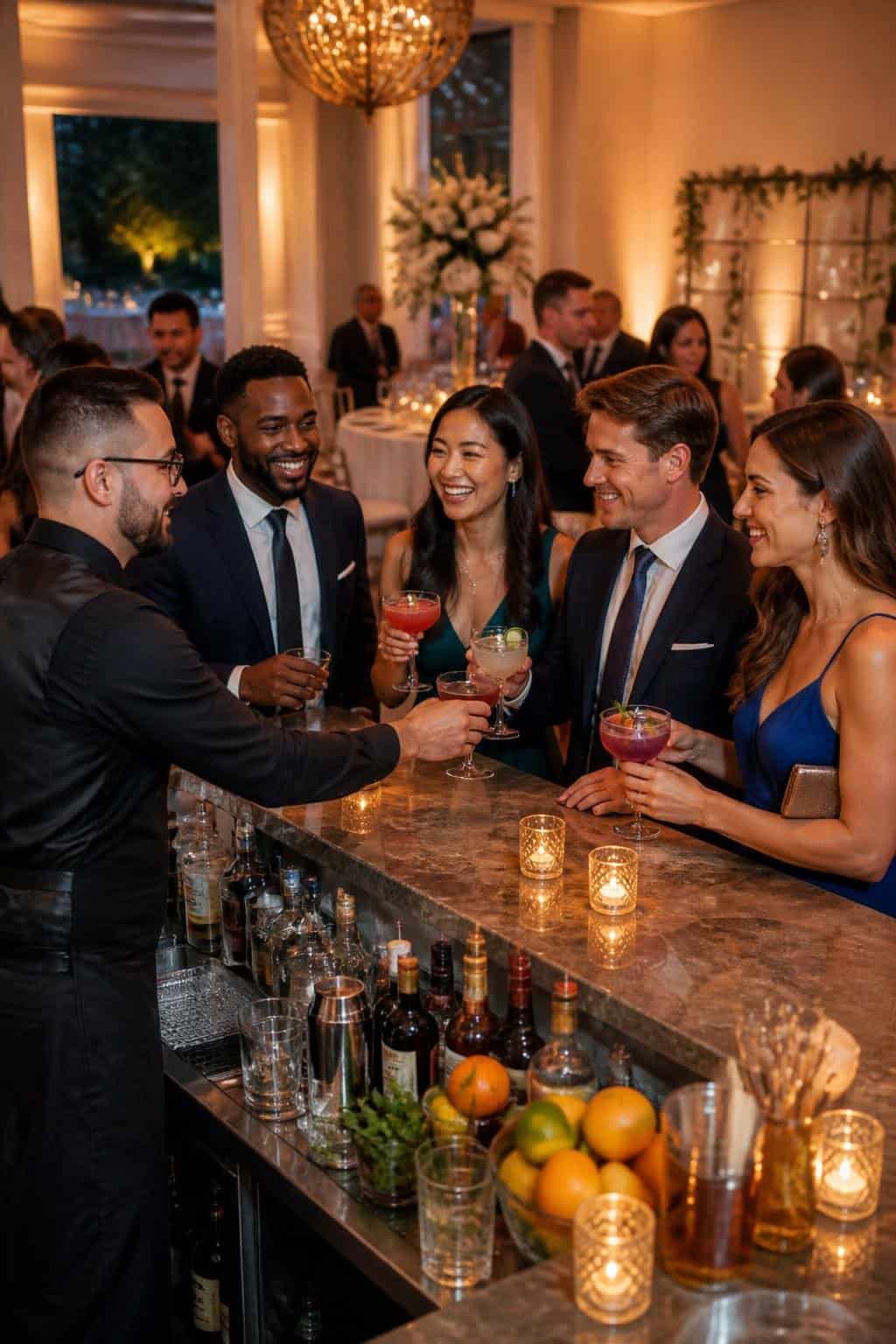
If the bar opens right away when the event starts, guests will be able to form large lines and become unruly. Instead, during cocktail hour, serve two or three pre-batched signature cocktails. This will create an enjoyable experience for guests, without the mayhem.
I usually print a menu with a brief description to ensure that there are no surprises. Bar service includes beer, wine, and cocktails, and then it switches to full bar service.
When bartenders use batch cocktails, they can be more efficient and more polished. In my experience, effective combinations of sparkling wine with a citrus-infused punch (and a mocktail version) help keep the venue flowing.
9) A Mobile Bar Cart Serving Only Nonalcoholic and Signature Drinks to Family During Cocktail Hour
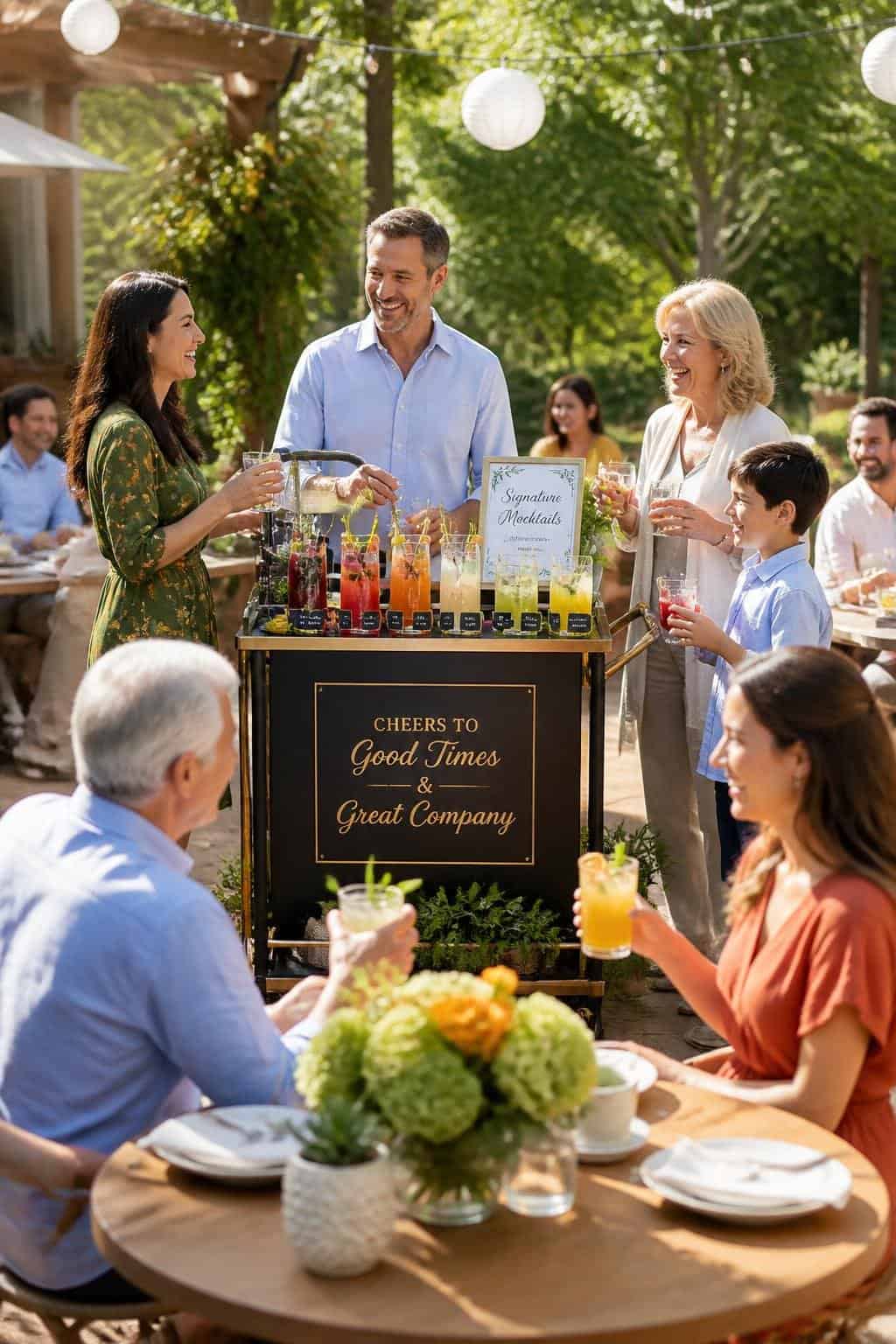
A great option for redirection is a dedicated service point next to the family seating cluster. Family members can choose from mocktails and a few signature drinks on a mobile bar cart, so they don’t have to queue at the main bar.
This station has the main bar for guests who want full service, and quietly indicates that family service is finished, so there’s less temptation to hover or circle back for several rounds.
For the bar cart, I suggest one with four to seven taps, or a compact trailer with juices, sodas, sparkling wine alternatives, and 2 house mocktails. Check vendors like this mobile bar service with nonalcoholic options for staffing and pouring limits before booking.
10) A Gentle Drink Schedule Note in the RSVP Confirmation
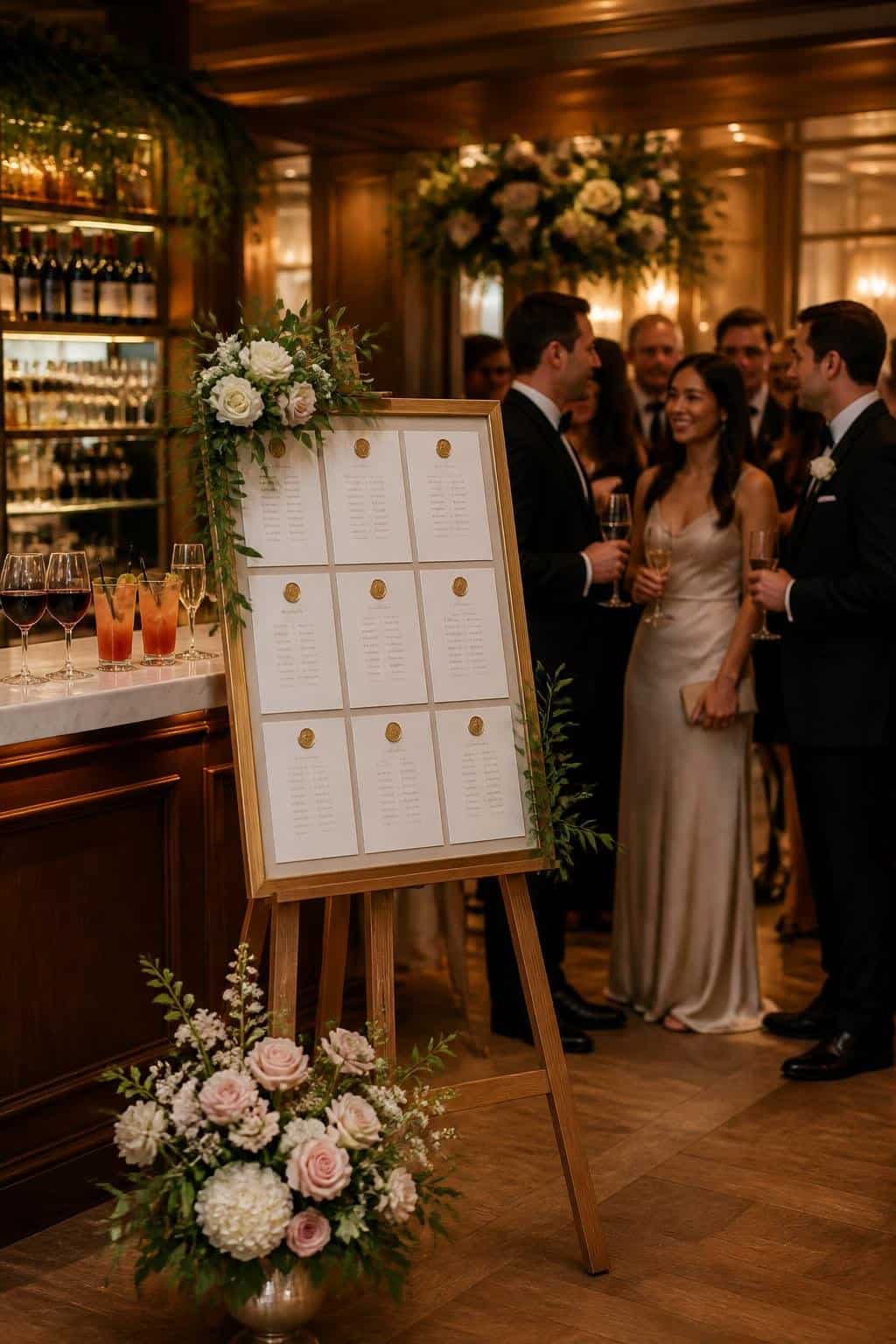
To help guests know what to expect at the bar, I placed a simple line on the RSVP confirmation. I think saying, “Bar open for all guests from 6 to 8 p.m.; after 8 p.m. drink tickets or cash only” is clear and concise and eliminates confusion during cocktail hour.
Guests appreciate having the window because they like to plan ahead. Family members who could otherwise linger have the information they need to time themselves.
I also include details such as the signature cocktail being cut off at dinner service. That detail allows groups to enjoy the bar area so that everyone can move when the band starts, and no one feels micromanaged.
Free Wedding Planning Checklist
Stay organized from engagement to "I do" — get our comprehensive checklist covering every task, deadline, and detail.
11) Assign a Trusted Family Liaison to Help Enforce Drink Windows
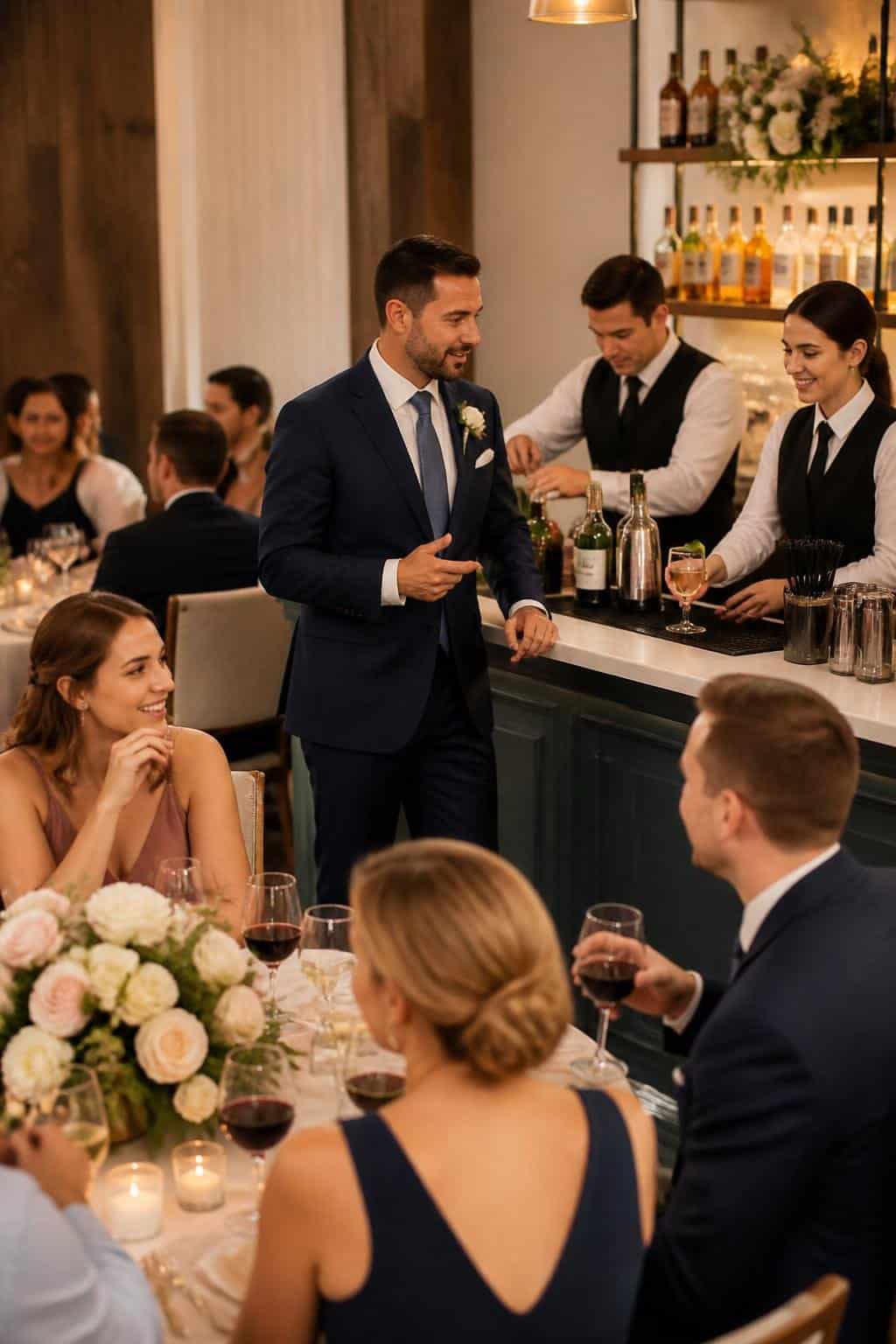
I select one of the groom’s side who is calm, respected, knows family dynamics, and can articulate things without creating any problems. They receive the timetable, my courtesy script with the vendors, and one clear order: speak to the bartender, not the guests.
Before I rehearse with them, my work needs to be done. They need to know when the open bar ends, when the cash bar rules come into play, and who to contact if something feels off. They have short and specific jobs: remind people about the timeline and guide anyone who is overstepping to drink water or have dessert instead.
Choose a cousin, a groomsman, or an aunt who’s already been accepted by both sides. Just make sure to choose someone who’s respected and not someone who’s trying to push their own agenda.
12) Print “2 Drink Tickets Per Adult Before 9 p.m.” on Escort Cards
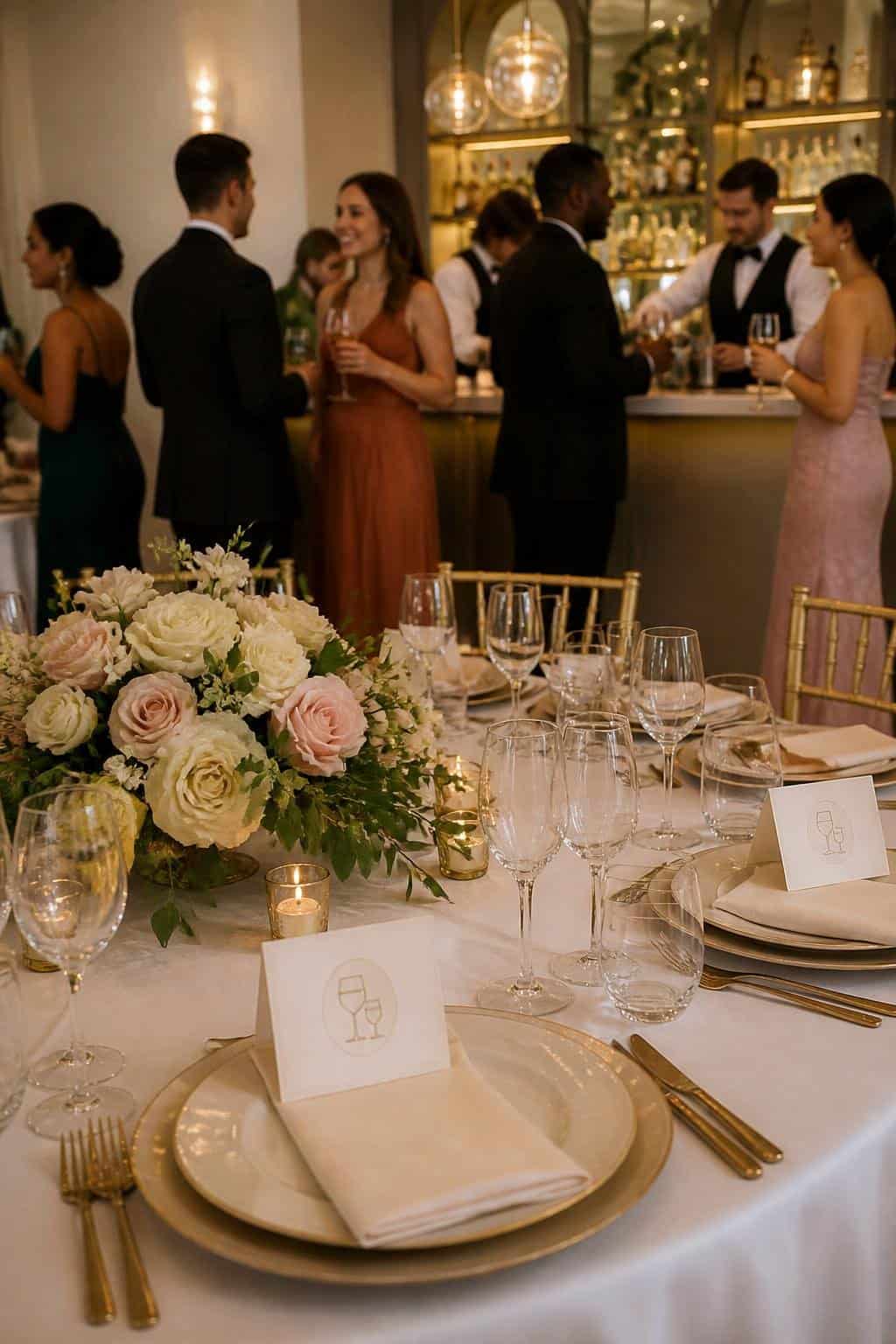
When I have real concerns about the pressure of an open bar, drink tickets have been the most effective method for me. Adults get two tickets each. This is communicated clearly and sets expectations before they even get to the bar.
Since the rules are printed on each escort card, guests will notice them as soon as they pick up their table assignments at the door, which makes the timing crucial. It’s far better than having one of the servers go to one table to explain a restriction during the reception.
The bar and caterers will take care of themselves. If you have a way to track tickets that the staff are comfortable with, the flow will stay consistent. With good drink service, no one table will be able to clear the bar tab quickly, and the reception will flow as you intended.
13) Seat Groom’s Siblings at Mixed Friend Tables to Spread Bar Traffic
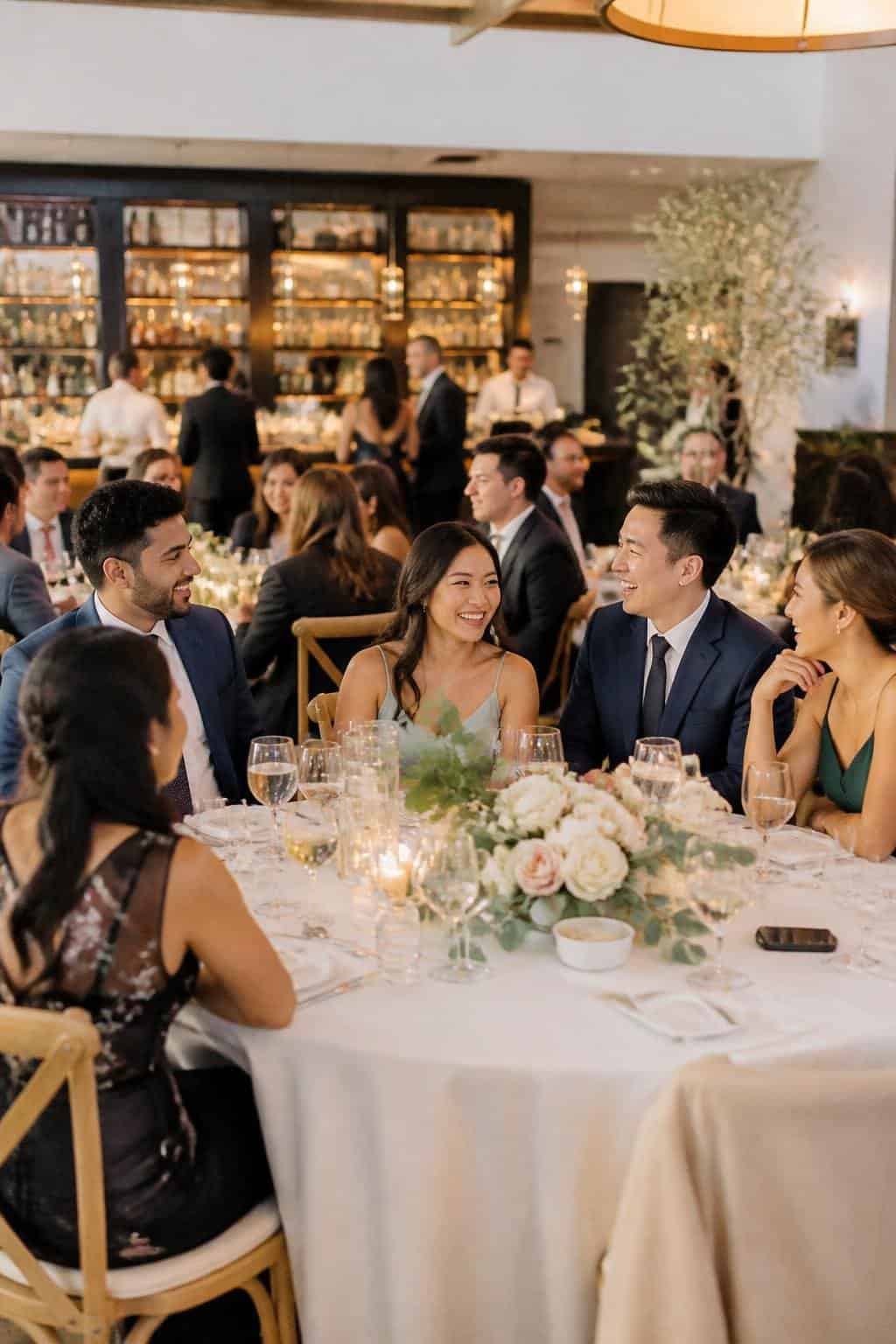
An example of an innovative approach to seating arrangements is separating siblings from their family block and integrating them into friend groups. This results in the relocation of individuals who are likely to promote several trips to the bar, thereby avoiding the creation of a corner that will be overutilized for bar traffic.
I placed a groom’s sibling at a table where someone already knows them, shares a hobby or social connection. These small connections give people enough motivation to stay seated rather than make several trips to the bar during the course of a meal.
I also collaborate with the venue/bar staff regarding the slow, released service at those spread-out tables. Separating siblings leads to more consistent bar flow and reduced traffic during toasts and the first dances.
14) Schedule a Single Family Champagne Toast Instead of Repeated Large Pours
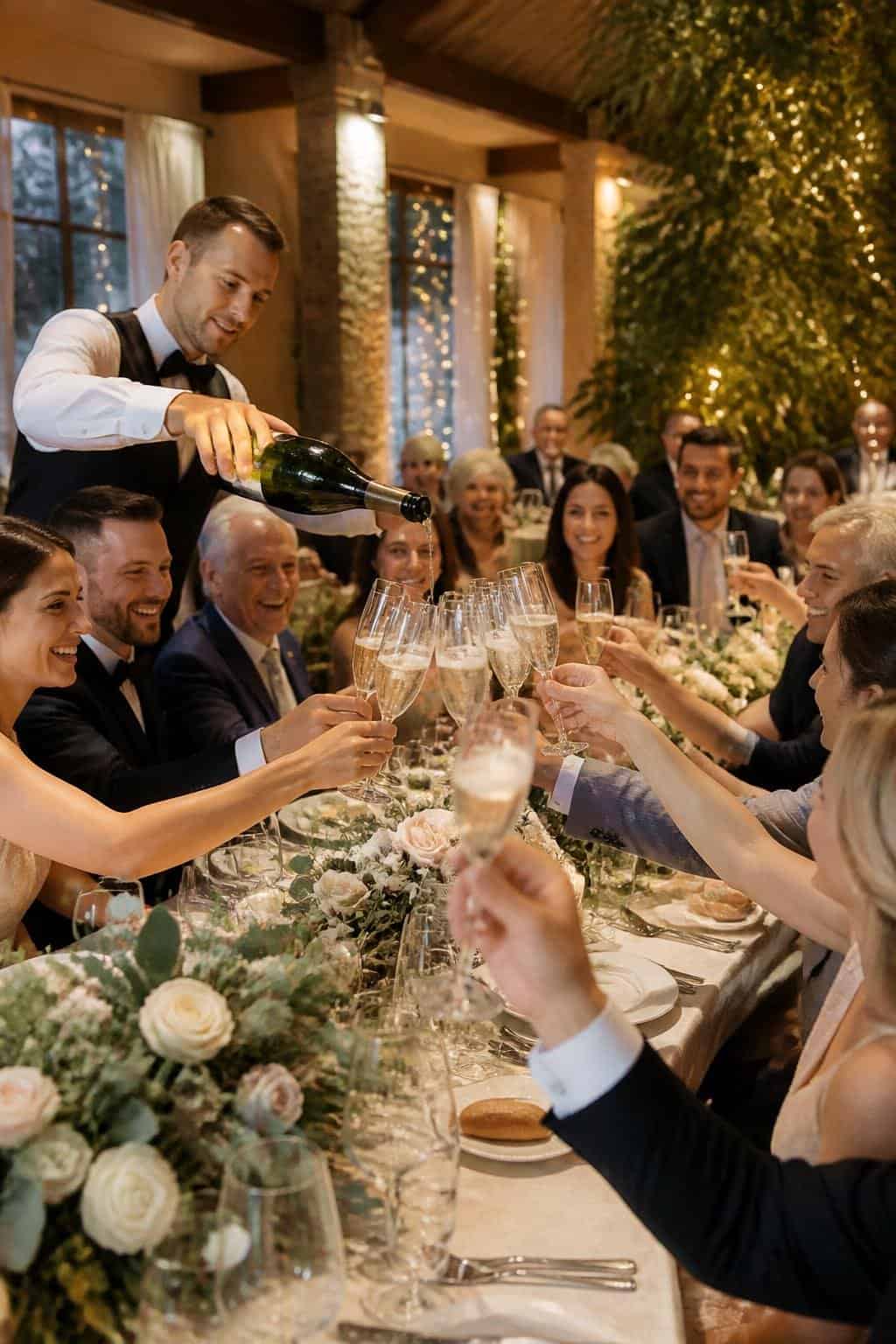
I find that a clear and timed toast is always classier than rambling and toasting as they go. I scope out that moment in the event timeline and communicate that info to both families ahead of the day. An excited uncle/aunt will know exactly when to pop the bubbly, so the urge to hover around the bar for their signal is gone.
I have asked the venue if I could have everyone toast by pouring from flutes at the same time. This keeps the bar staff efficient and prevents overflowing pours, which become a problem with spontaneous toasts.
When the DJ or MC is prompted to say something to the guests, invite everyone to raise their glasses, and it adds a really nice touch to the moment and makes it more celebratory. Based on your projections, you can figure out how many bottles you will need, how many pours you anticipate at each drink station, and a planning guide will help you with this.
15) Work with the Bar Manager to Pre-Batch Lower-ABV Family-Friendly Cocktails
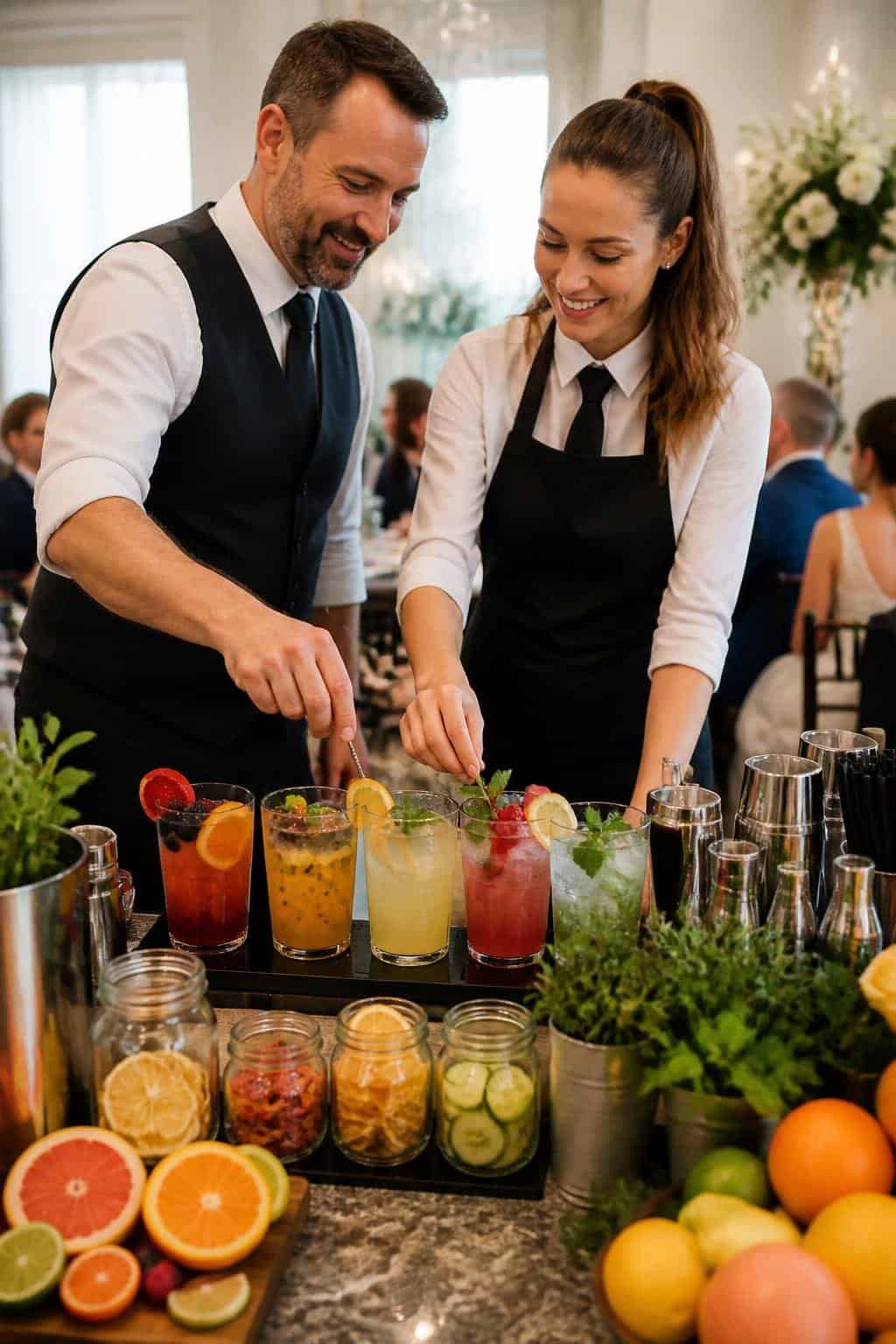
I will request the bar manager to develop a small menu of drinks that are slightly lower in alcohol content, but still tasty. Guests who may want to take it easy will have fewer options, and are likely to order one of these lower alcohol options, which will help manage the number of rounds purchased. It will also provide an option for those who otherwise would choose from only plain spirits or nothing at all.
To ensure consistency during service, consider pre-batching some recipes for cocktails, spritzes, low-proof punches, or light canned spritzers. This is an excellent way to keep costs predictable and helps the bar track their total pours without needing to rely on the bartender’s memory.
I suggest that citrus-forward batches be made a day or two before the event to minimize the risk of oxidation. Each batch should be labeled with the actual ABV and serve-by time. A clean and organized batch prep area will make the bar seem more inviting and less like a triage station.
16) A Dessert Coffee and Cocktail Station After Cake Cuts Late-Night Bar Pressure
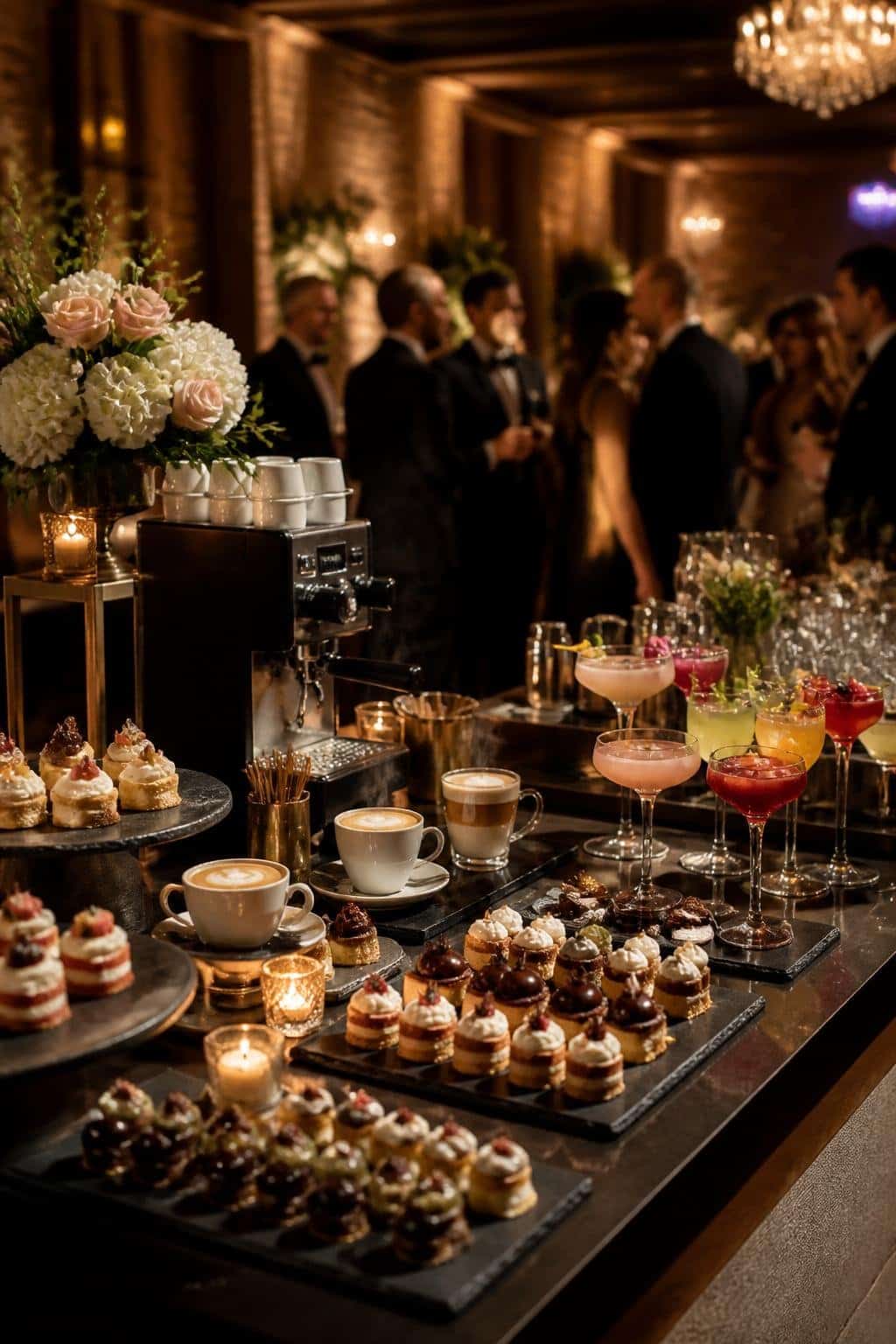
To make it easier for guests to add a little something sweet to their night, I set up a dessert, coffee, and cocktail bar near the cake. This way, they won’t have to walk all the way to the main bar. I even give late-night guests a reason to stop by by offering regular coffee, decaf, a limited selection of after-dinner drinks, and, if I’ve budgeted for it, an espresso machine.
One bartender and one barista will keep the station staffed so that service remains quick, even as the dance floor thins and patrons start circling for a nightcap. I recommend pre-batching a signature drink and serving it with dessert-friendly garnishes like cinnamon sticks, espresso beans, and chocolate shavings so the setup looks intentional instead of thrown together.
Here, signage and a flow arrow system would be beneficial. People who wander over after cake need to know where they can go and what is available. I’ve staffed this station at multiple receptions to help keep the main bar streamlined for beer and first-round cocktail service so that it doesn’t become a late-night congestion point for Irish coffee requests.
17) Signage That Says “Full Bar Opens at X — Thank You for Helping Us Enjoy Our Speeches”
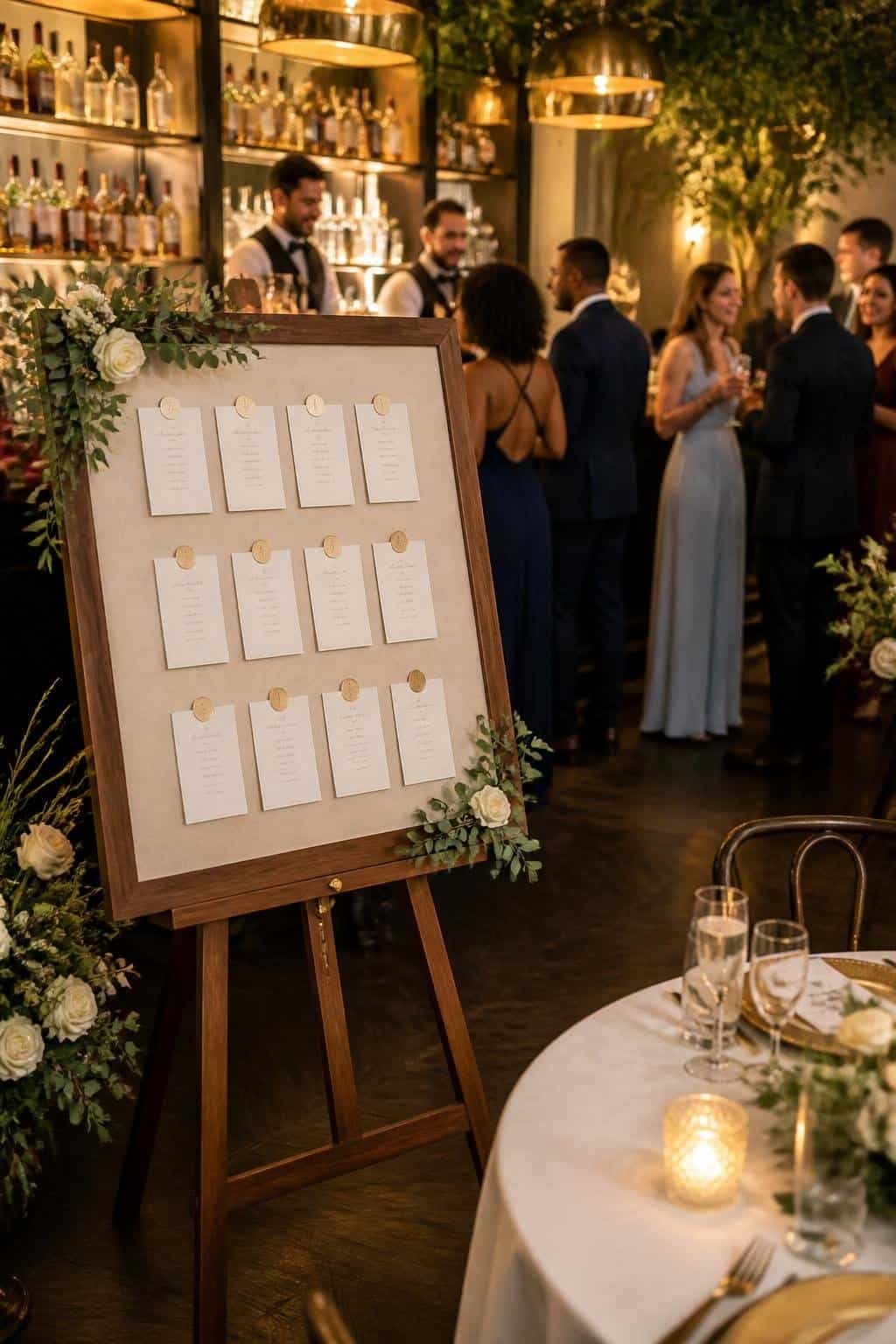
A small, warm sign acts like an announcement without anybody needing to verbalize one. I put it by the cocktail area and by the ceremony exit so guests are reminded right when they’re thinking about their first drink.
The words used say a lot. Wording for venues like ‘Thank you for helping us enjoy our speeches’ sounds more like a venue request than a request from a couple. That change in tone is clear. People respond to requests, and people will ignore policies and rules.
Stay with your wedding theme for your design, and it should be low profile. Minted’s wedding signs collection is a great custom option that provides you with vendor-ready pieces that are intentional instead of looking last-minute.
18) Two Dedicated Bartenders for the Head-Table Area with a Clear Pour Policy
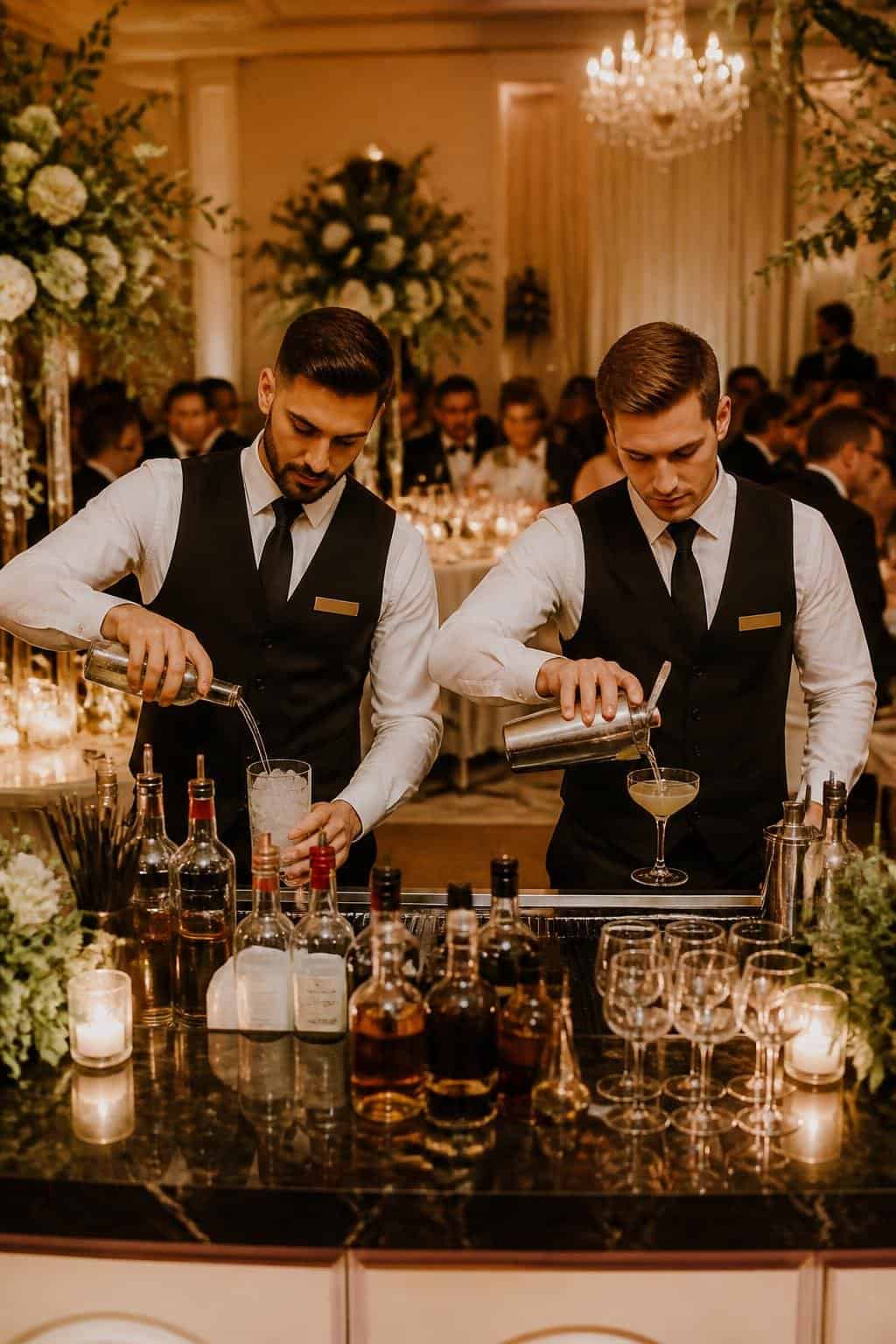
In the head-table section, I will have two bartenders so that area stays fast and it doesn’t take away from the main bar. One does cocktails and the other does wine/beer. This way, lines stay short, and the newlyweds don’t have to get up when a glass is empty.
Both bartenders receive written pour policies and simplified ticket systems, which I set up before the reception begins. I train them to check IDs, not to over-pour, and to identify and document anyone trying to stockpile rounds. A small sign near the head table that says “Please wait your turn” helps to establish the boundary in a polite way.
This arrangement also ensures the couple’s privacy. Because each section of the head table has its own rhythm of service, the wedding party stays seated and does not visit the main bar during the reception.
Understanding Family Dynamics at the Bar
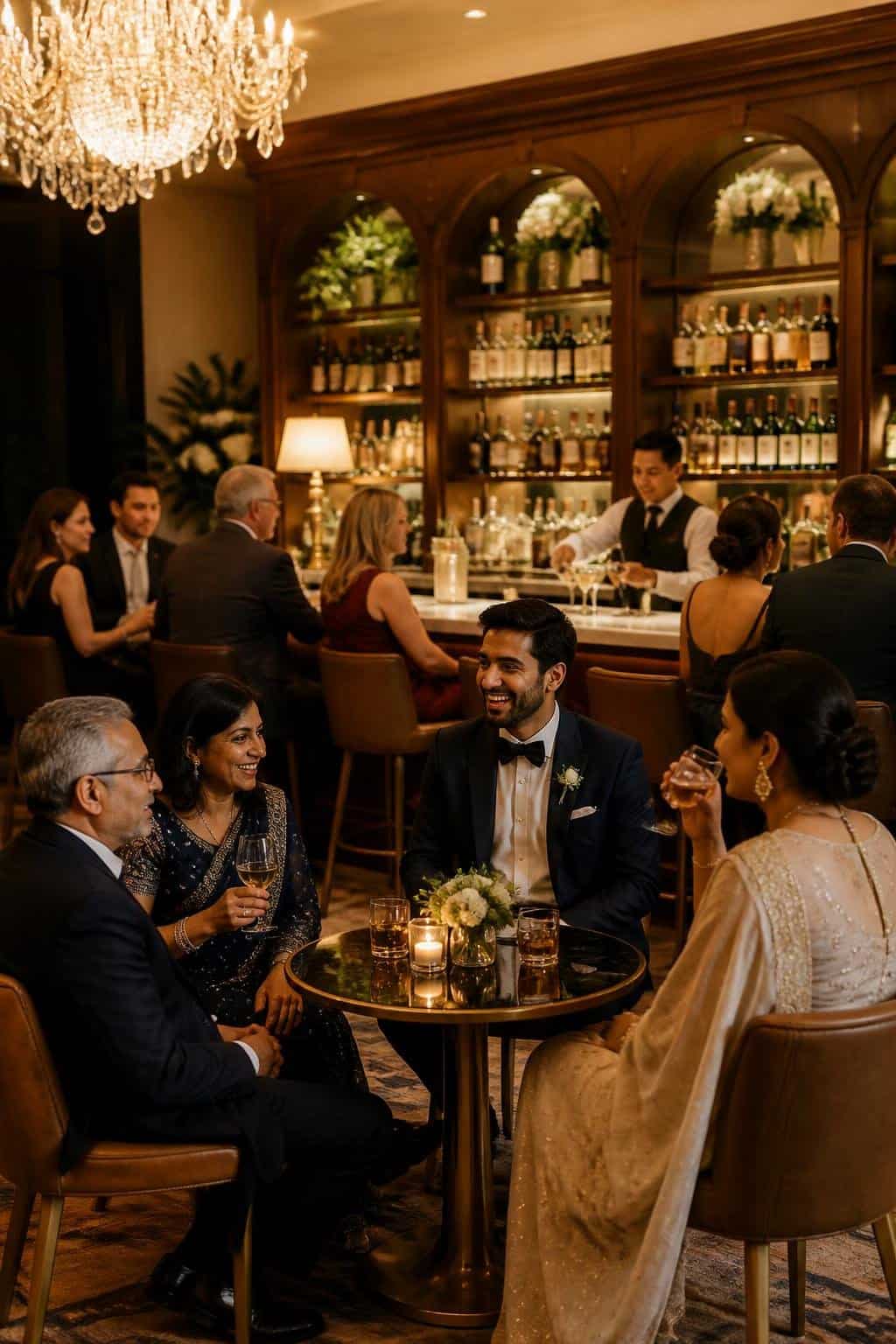
The way people separate themselves at events is quite interesting. Comfort, habit, and timing seem to play a role in how people arrange themselves. I’ve noticed who comes first to every reception, who takes the corner seats, and how patient small groups are while waiting for a drink. These are the kinds of behaviors I see and attempt to resolve before they develop into an issue at every event.
Why Bar Flow Impacts the Whole Room
When a family section becomes a consistent habit, it also hinders service. It physically restricts mingling at the reception. I propose that the bar be placed at a distance from family tables that are likely to pull in many guests, along with a cocktail round station set up across the room from the bar to break up that center. When people are not gathered around a cluster, talking happens spontaneously.
Most couples overlook the importance of lighting and bartender positioning. A bar station that faces the room promotes good flow. On the other hand, a bar that is hidden away means people will settle once they find it. Having a small drink menu board and two service windows is also helpful, as it allows people to decide quickly and minimizes delays created by groups.
Recognizing the Patterns Before They Start
After the ceremony, the groom’s cousins may come as a group and “claim” a corner. I usually keep an eye on arrival times and the closeness of the seating. That’s usually the easiest evidence of a group coming together.
A relaxed and open posture coupled with constant glances at the bar and a stack of empty glasses is a classic sign of which group needs service. I note which tables are which on the chart, and then leave buffer seats with nearby friends or groups of mixed friends to break up clusters before they get too comfortable.
Subtle Table Placement Strategies
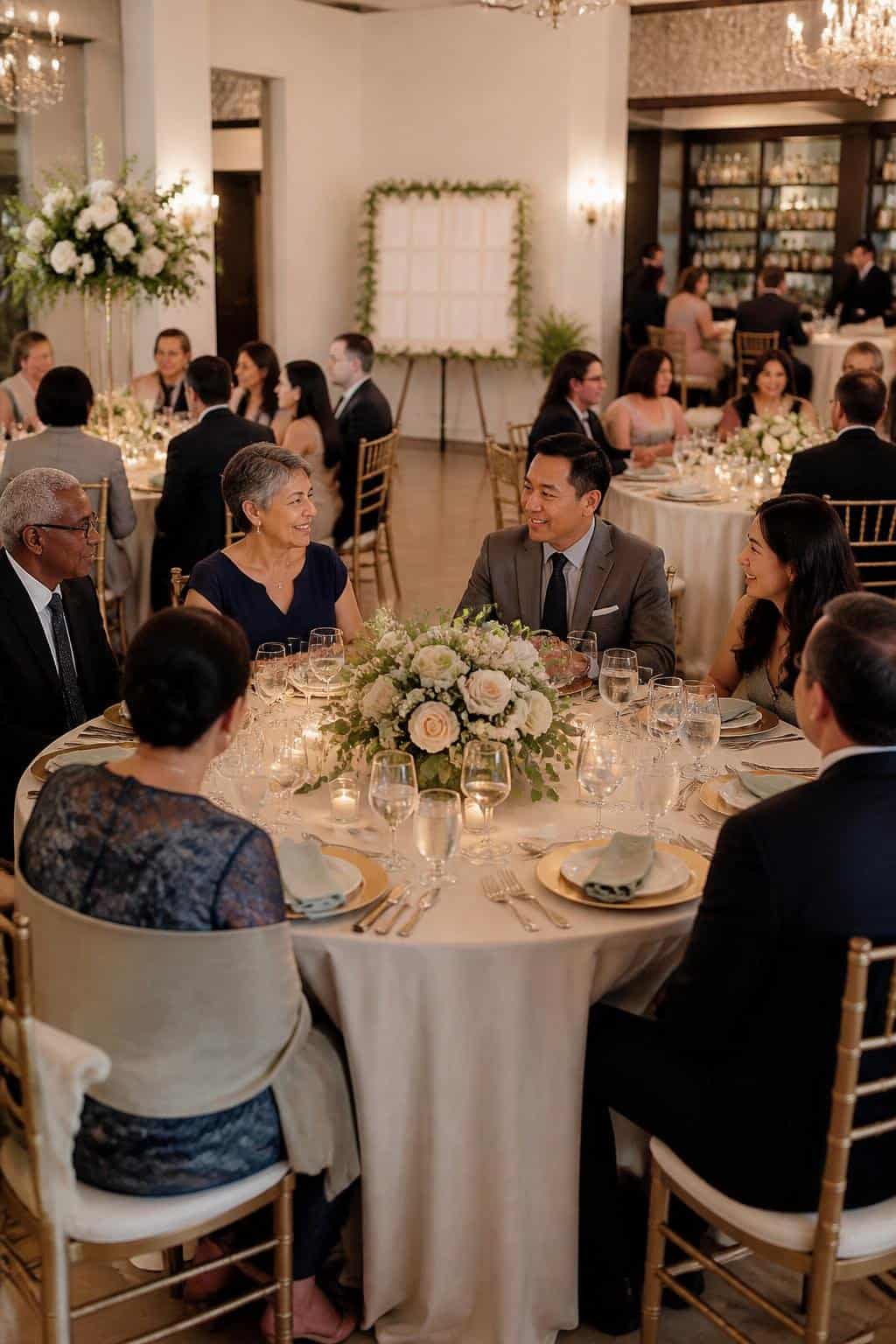
First, I will consider how guest tables and flows will be organized, as this will guide balancing the focus for conversation away from the bar and toward the dance floor, as well as balancing the room and guiding guest traffic. Only after I do the floor plan will I decide on centerpieces.
Moving Beyond the Standard Round-Table Setup
Round tables tend to push people toward the bar since they encourage roaming. An arrangement of long banquet tables combined with smaller six-person rounds creates different, clear landing points for guests. People pull inward at banquet tables and create conversation zones that keep guests in place for several courses. For the groom’s family, position them toward the middle of one of the longer tables instead of at the end, as that minimizes the standing and wandering between courses.
The casual seating areas with low seating and coffee tables across from the bar give guests a great reason not to stand at the bar. Also, place some children’s tables and some quieter-family tables by the catering access point so that parents stay seated, which should help reduce the number of bar trips made during meal service.
Coordinating with Your Venue’s Floor Plan
Along with your venue contact, walk the space and note the precise locations of staff crossings versus natural guest congregation areas. Leave at least 6-8 feet of clear space between the bar and the nearest seating cluster. This will prevent bottlenecking before the reception hits its stride.
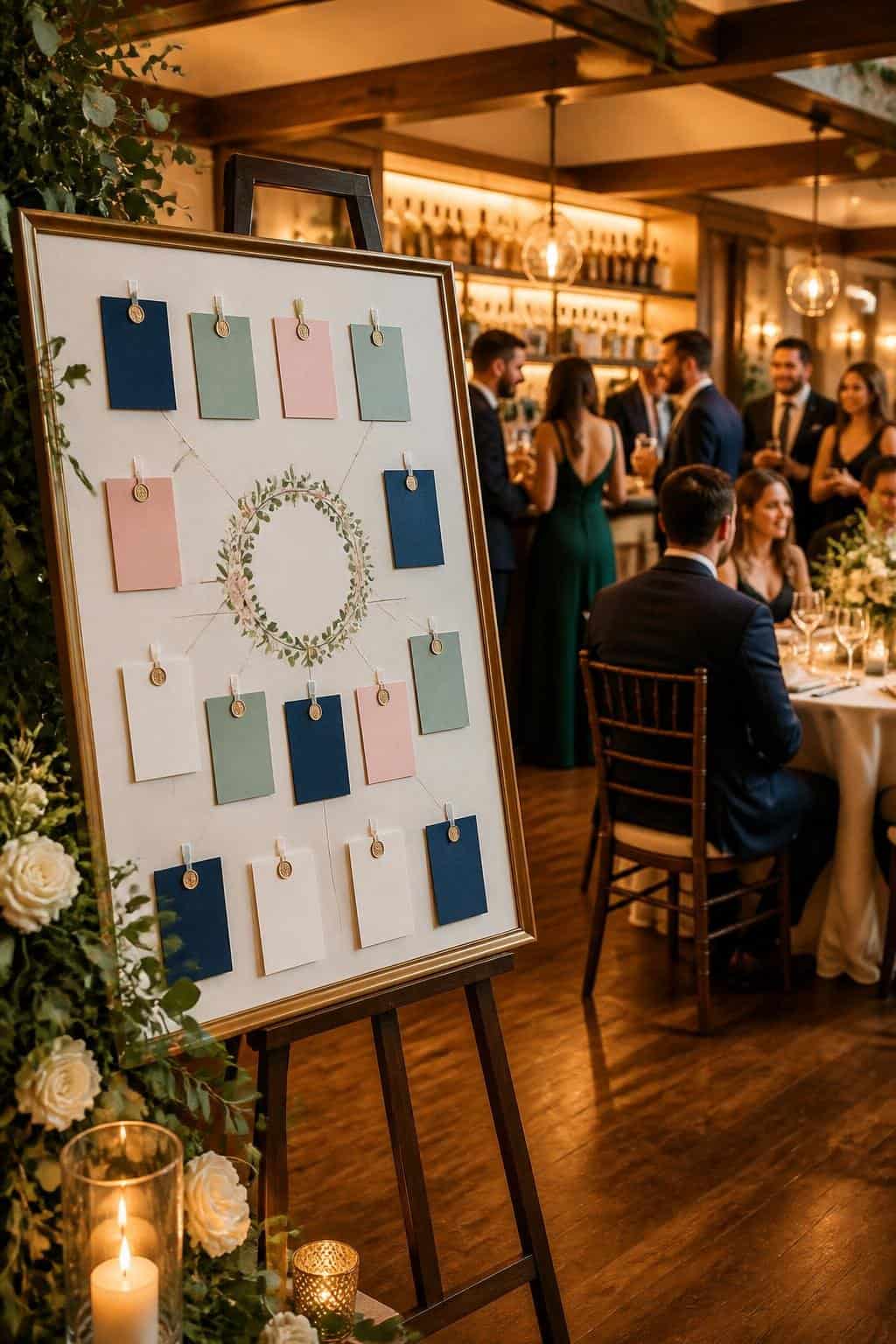
Do not place the escort cards or the seating chart to the side of the bar. Instead, place them on the actual entrance path to the tables. Provide a scaled diagram to your venue and caterer with table IDs, service stations, and bar placements. Using that diagram, staff can manage the flow of guests, and one family’s overwhelming attraction to the bar will not become your problem to deal with in real time.
Event staffing surveys show that receptions with bars set more than 20 feet away from the primary family seating experience a significant drop in average bar visits. The mere proximity of the bar, even in the absence of any signs or policies, diminishes the likelihood of considering the bar as a ‘home base’.
The wedding seating plan is often overlooked. Most couples merely consider it as another administrative exercise, do the seating chart, and then move on. I consider it a design decision that determines how the whole evening will feel. Get the layout right, be clear on the drink schedule, and communicate detailed plans to your vendors. Everything else will usually work itself out.